<
In web development, a personal site is usually a project that never really ends. It’s where we try out new technology, shape our professional identity, and, to be honest, sometimes get stuck in what I call "template hell." My site, michaelleung.info, has gone through many versions, but this latest rebuild is the biggest change I’ve made so far.
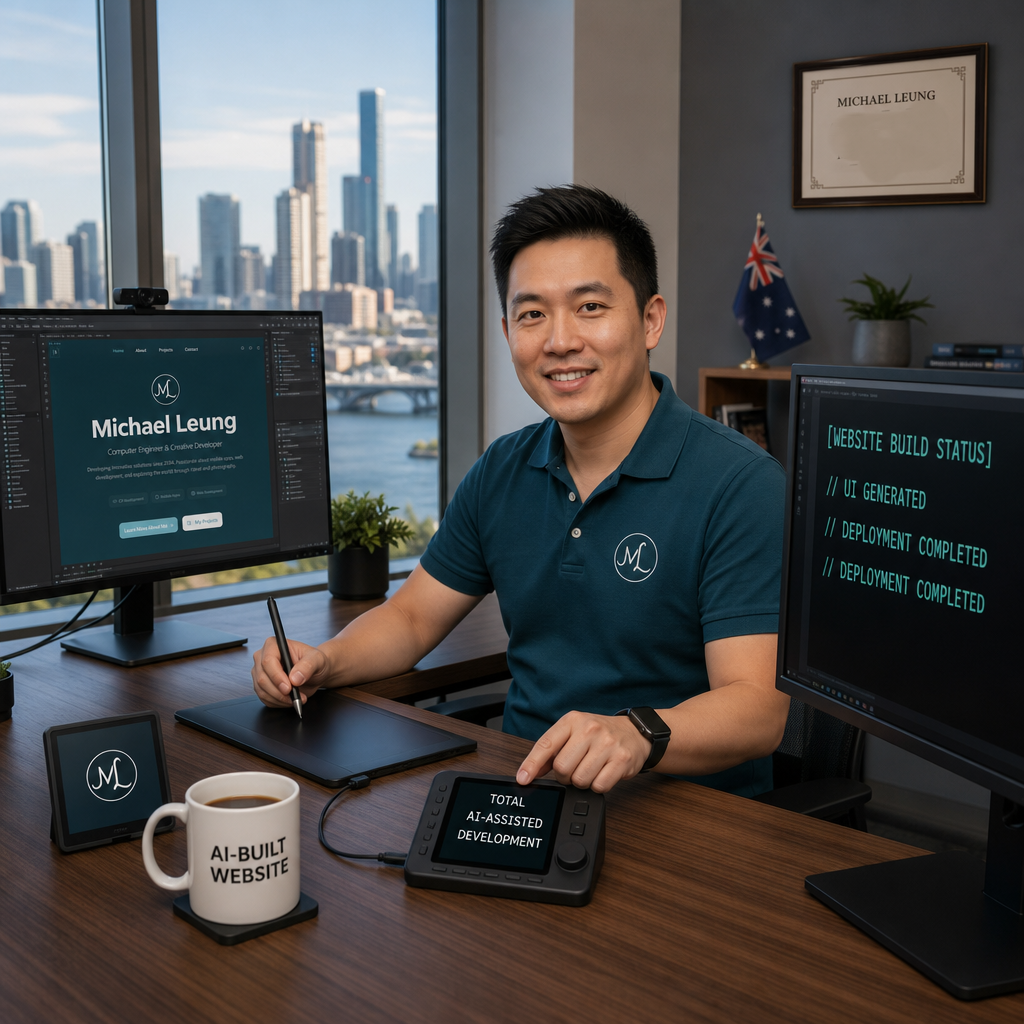
For the first time, I stopped using hired designers and bought templates. Instead, I built everything with AI. Here’s how it went and why the results surprised me.
The Old Way: Templates and Outsourcing
In previous versions of the site, my workflow followed a traditional path:
Design: I would hire freelancers for graphic design and UI/UX assets to ensure a professional look.
Development: I used a React frontend with a PHP backend.
Structure: I often started with a purchased template. Templates give you a quick start, but there’s a "customization tax." You can spend hours fixing the original CSS or removing extra code just to make the site feel like your own.
The New Way: Total AI Integration
This time, I wanted to see if AI could handle both the technical and visual aspects of the site. With Kimi and Claude, I avoided the usual problems.
1. Bespoke Design Without the Designer Instead of explaining a vision to a freelancer and waiting for drafts, I used AI to iterate on UI components in real-time. I wasn't limited by what a pre-made template allowed; I could describe a specific layout or interaction, and the AI would generate the necessary code to bring it to life.
2. Full-Stack Customization Transitioning from a standard React/PHP setup to a fully customized build allowed for much cleaner architecture. The AI helped bridge the gap between complex backend logic and the frontend presentation, ensuring that every line of code served a specific purpose for the new site.
3. Speed and Autonomy The most significant change was the feedback loop. When you rely on AI, the "edit-test-deploy" cycle drops from days to seconds. If a design element didn't feel right, I didn't need to send an email; I just refined the prompt.
The Verdict
The result? A site that feels more "me" than any previous version.
By leveraging AI, I’ve found that the barrier between an idea and a functional, high-quality digital product has effectively vanished. I no longer feel constrained by "off-the-shelf" solutions. If you can describe it, you can build it.