
UQ Jacarandas 2026: A King’s Birthday Walk at UQ Lakes
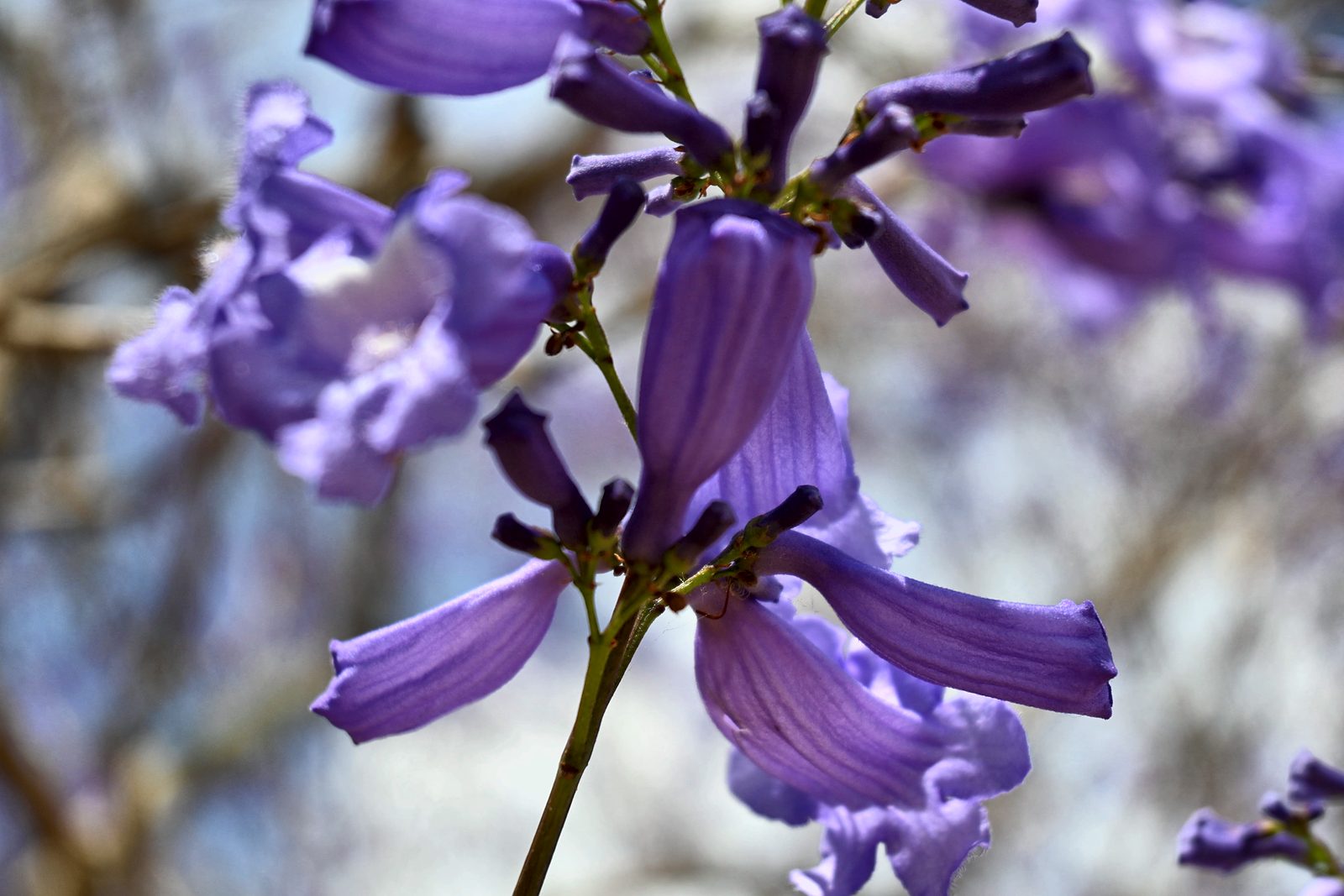
Are the UQ jacarandas out yet? We went to find out on Monday 5 October 2026, the King’s Birthday public holiday in Queensland.
The short answer: some are, plenty aren’t. Here’s what we saw at UQ Lakes, a bit of history we didn’t know before, and where to go if you’re planning your own visit.
How far along is the bloom?
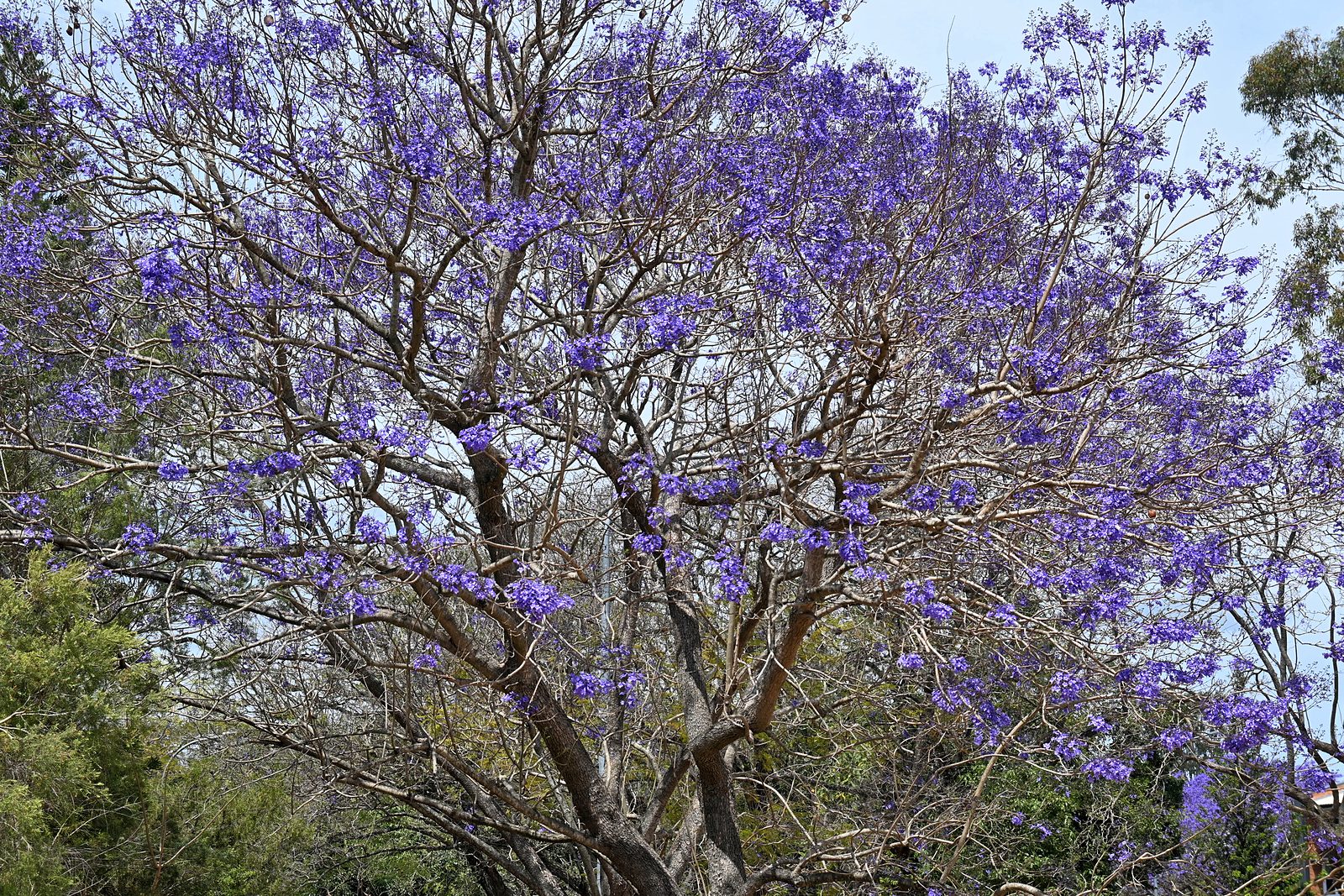
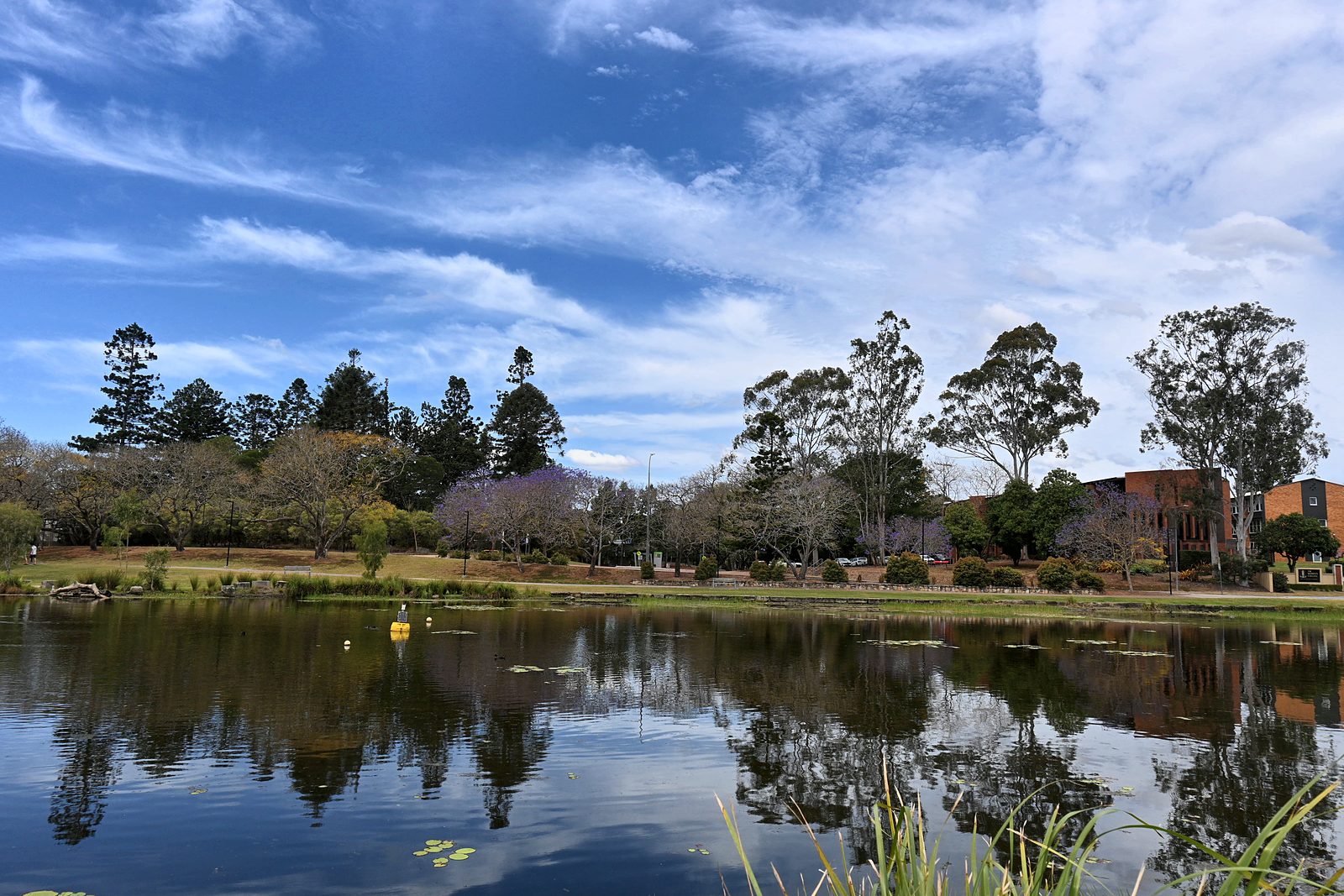
Patchy. A few trees by the lakes were already thick with purple, especially along the paths beside the water. Others were still mostly bare branches, with a few clusters starting at the tips.
UQ’s own photo guide calls October the peak month[3], and that matches what we saw: the season has started, but each tree is on its own timetable. If you want every tree in full colour, give it a couple more weeks. If you like close-ups of fresh flowers with buds still opening, now is good.
What we saw around UQ Lakes
We got off the bus at UQ Lakes bus station, which sits right beside the water, and walked a loop around the lakes.
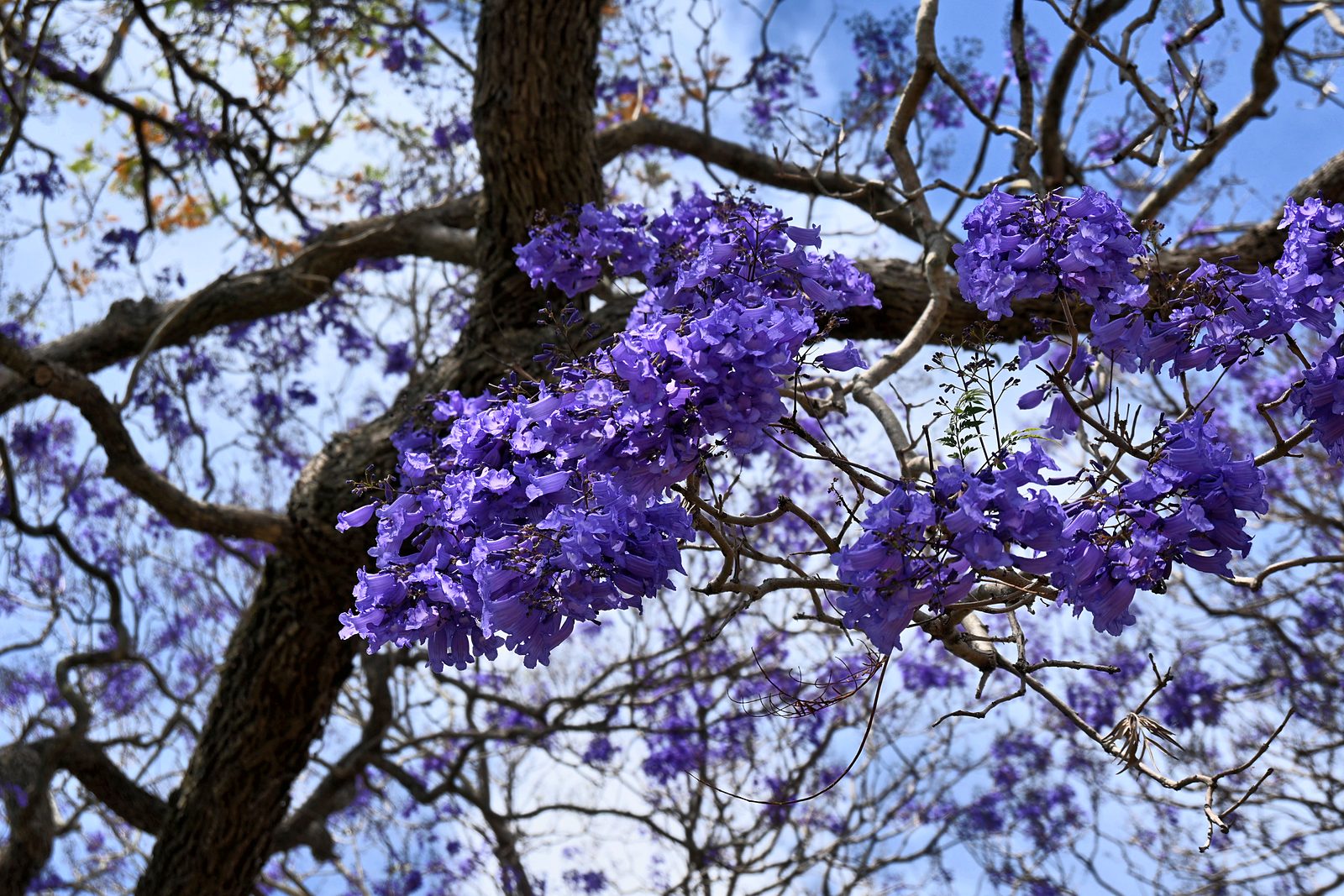
- The jacarandas. The best shots of the day were close-ups. Each cluster is a spray of small trumpet-shaped flowers, with dark buds still waiting their turn.
- The water. The day was calm, and the lake held clear reflections of the trees and clouds.
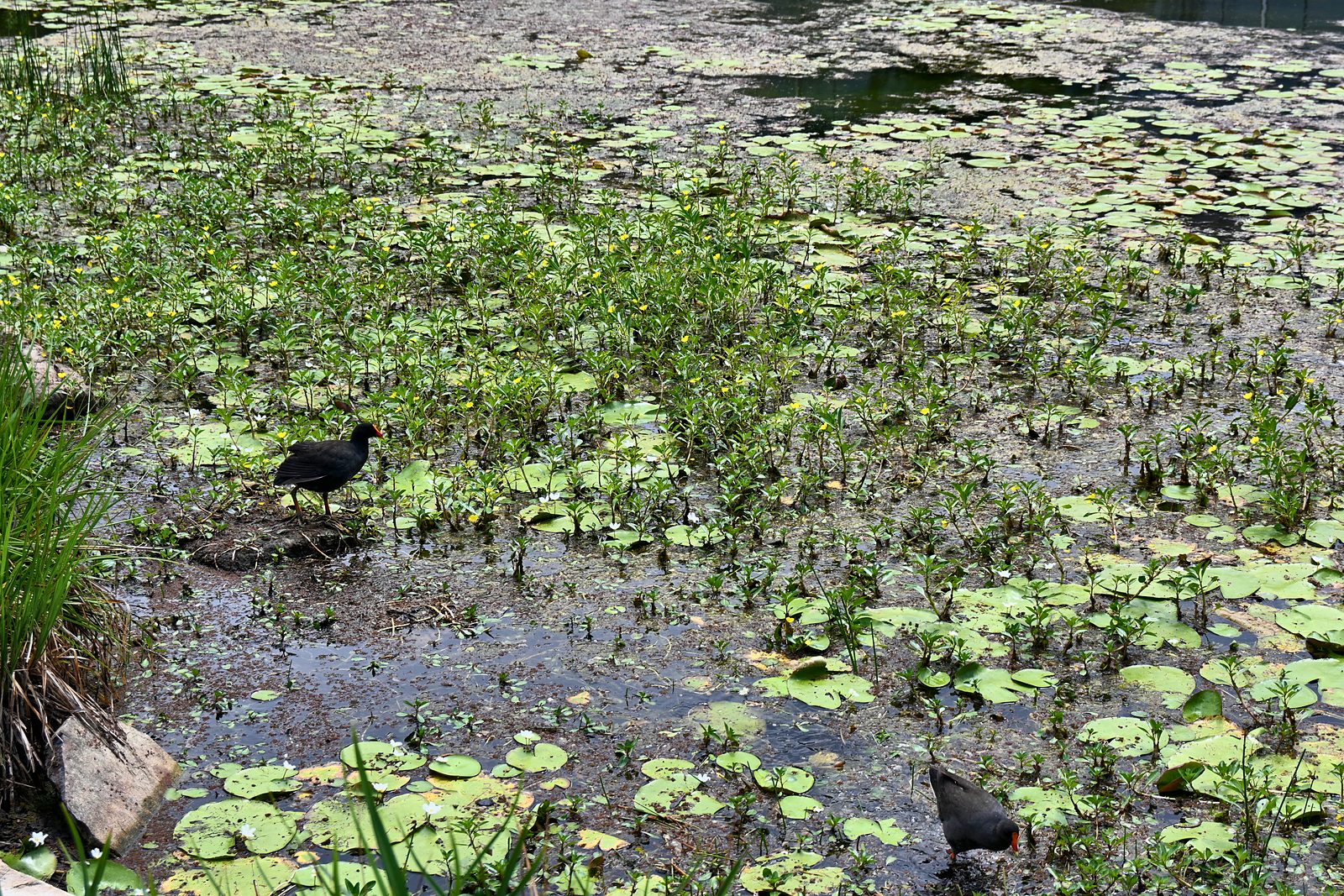
- The birds. A crow sat on the railing and didn’t care that we were there. Two moorhens were picking through the lily pads.
- The boardwalk. A timber boardwalk crosses the wetland in front of the university buildings, and it’s worth walking out on.
Who planted UQ’s jacarandas?
I didn’t know this until I looked it up after our walk: a lot of these trees go back to one man.
Ernest Walter Bick was curator of the Brisbane Botanic Gardens. He retired in 1940 and started planting trees at the new St Lucia campus. By 1947 he had planted about 1,700 trees, and more than 130 of them were jacarandas. He grew them from the line of a jacaranda planted in the Botanic Gardens in 1864, believed to be the oldest in Australia. Bick died in 1949, still planting.[2]
Jacarandas aren’t Australian, by the way. Jacaranda mimosifolia comes from south-central South America: southern Brazil, northern Argentina, Paraguay and Bolivia.[1]
The jacaranda exam legend
UQ students have passed this saying down for generations: “If you haven’t started studying when the jacarandas bloom, you’ll fail your exams.” There’s a second version too. If a flower lands on your head, you’ll fail.[3][4]
It made sense when end-of-year exams were in November. Purple trees meant about a month left to study. A UQ article from 2020 notes the trees seem to be flowering earlier, and that Brisbane’s average November temperature rose from 26.6°C in 1985 to 28.2°C in 2019.[4]
A bit about UQ Lakes
The main lake is more than 70 years old, built before modern urban water systems. After water quality problems became obvious in 2018, UQ ran a multi-year renewal. The lake was drained and reshaped, recirculating wetlands were added, and a capping layer was laid over the lakebed. About 8,000 trees, palms and shrubs went in, plus thousands of wetland plants. Native aquatic animals were caught and moved to safety during the work, and ducks, turtles and eels live there now.[5]
The curved stage by the water is the Dr Mary Mahoney AO Amphitheatre. It seats up to 400 people and sits between UQ Lakes bus station and the Advanced Engineering Building.[5]
The St Lucia campus covers 114 hectares and has about 64 recorded bird species, along with turtles, possums, lizards and eels.[6]
- Main lake
- More than 70 years old, renewed after 2018
- Planting
- About 8,000 trees, palms and shrubs, plus thousands of wetland plants
- Amphitheatre
- Dr Mary Mahoney AO Amphitheatre, seats up to 400
- Wildlife
- About 64 bird species on campus, plus turtles, eels and possums
- Getting there
- UQ Lakes bus station, right beside the water
Where to see jacarandas at UQ
UQ’s guide recommends three spots[3]:
- The Great Court. Jacarandas between the sandstone cloisters. This is the classic UQ photo.
- The paths beside the two smaller lakes. They’re lined with jacarandas. We spent most of our time here.
- Sir William MacGregor Drive. A river loop starting at Emmanuel College, on a gravel path that works for prams and bikes.
Tips from our visit
- Bring a lens that can blur the background if you want flower close-ups. A phone in portrait mode works too.
- Blue sky behind purple flowers looks best, so check the forecast.
- Look down as well as up. The lily pads and the birds in them are easy to miss.


