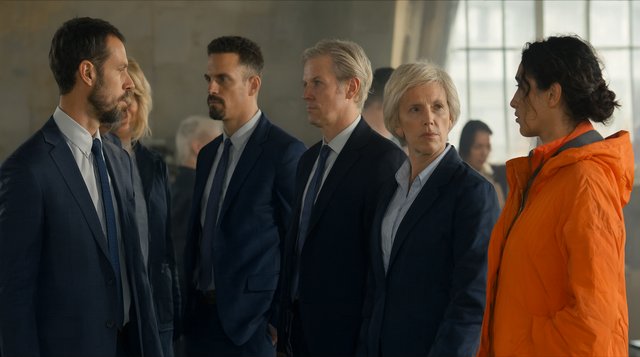
Why do so many mergers disappoint? In my experience, the deal is the easy part. The hard part is the people and the culture. A few of the biggest culture changes I've lived through at work came from acquisitions and mergers, and every time, whether the two sides could really become one company decided how it went.
I recorded this as a Cantonese voice note, with English subtitles on screen.
Why do mergers look so good on paper?
Because the plan is always about selling more. Take a company I worked for. Without going into detail, the idea went like this. I sell you a phone. Then not just one phone, but the phones for your whole office. Then we see what systems you need, maybe an HR system. Then we offer our consultancy services to help you set it all up.
It sounds great when you say it. Doing it is much harder.
What is the hardest part of a merger?
Bringing the other company's people, and especially its leaders, into yours. Whether you can actually integrate what you bought is the whole question.
Where I work now, here in Australia, people sometimes tell me my job doesn't sound too stressful. Part of the reason is that we're a people company. I'm not sure what the proper English term is. Our most important asset is our staff. Without them, we don't really have much else.
What are companies actually buying?
Not always the people. Sometimes it's the technology. When Microsoft bought Skype in 2011 for US$8.5 billion, it wanted the voice technology and the source code, which then went into its own products. The programmers mattered less than the technology itself.
Sometimes it's the assets. A friend of mine bought a restaurant, but he didn't really want the restaurant. He wanted the shop site and its lease. To get the lease, he had to buy the business. And of course the seller said: mate, you'll need to buy the rest of my stuff too, so I can get a better price.
In cases like these, buying the company makes sense. But for a business like ours, it's all people.
Why buy a company and then replace its people?

That's the part I find strange. Some mergers go like this: I buy you, I merge you in, and then the people inside get replaced. Say a company has about 500 staff. Later, 400-odd of those 500 are new hires from somewhere else, or people moved in from the other side of the merger.
Then you have to ask what you bought. Was it the land? The other property? That can make sense. But if you replace the leadership too, it's clear you don't want the people. You may not even want the brand. Buying a company for its name and signboard is reasonable. Some buyers drop even that, maybe because the brand is expensive to keep or comes with franchise fees. If there's property involved, then really, it was the property.
Why do sellers have to stay on after a sale?

Because the buyer knows the value walks out the door with them. A friend of mine sold his business, and as is common with doctors, he had to sign on to stay for a set time. Many acquisitions work this way. The CEO has to stay a year or two before leaving. When a restaurant is bought, the head chef often has to stay for a while too.
Smaller Chinese restaurants don't usually have these deals. The chefs move around. A new place opens, word gets out that it's the team from that old restaurant, and the regulars go to try it. The customers follow the chef.
So much of a business follows the people. That's why culture is the hardest part.
How do you blend two company cultures?
Both sides have to adjust. If the two cultures are close, it's easier. If they're very different, you have to work out how to fit in, how to win people over, and how to work together.
From what I've seen, the buying company has to adjust a bit, and the company it bought has to adjust too. Usually the bought company is smaller, so it changes more. But whether you get real synergy out of it is very hard to say.
Did Boeing buy McDonnell Douglas, or the other way round?
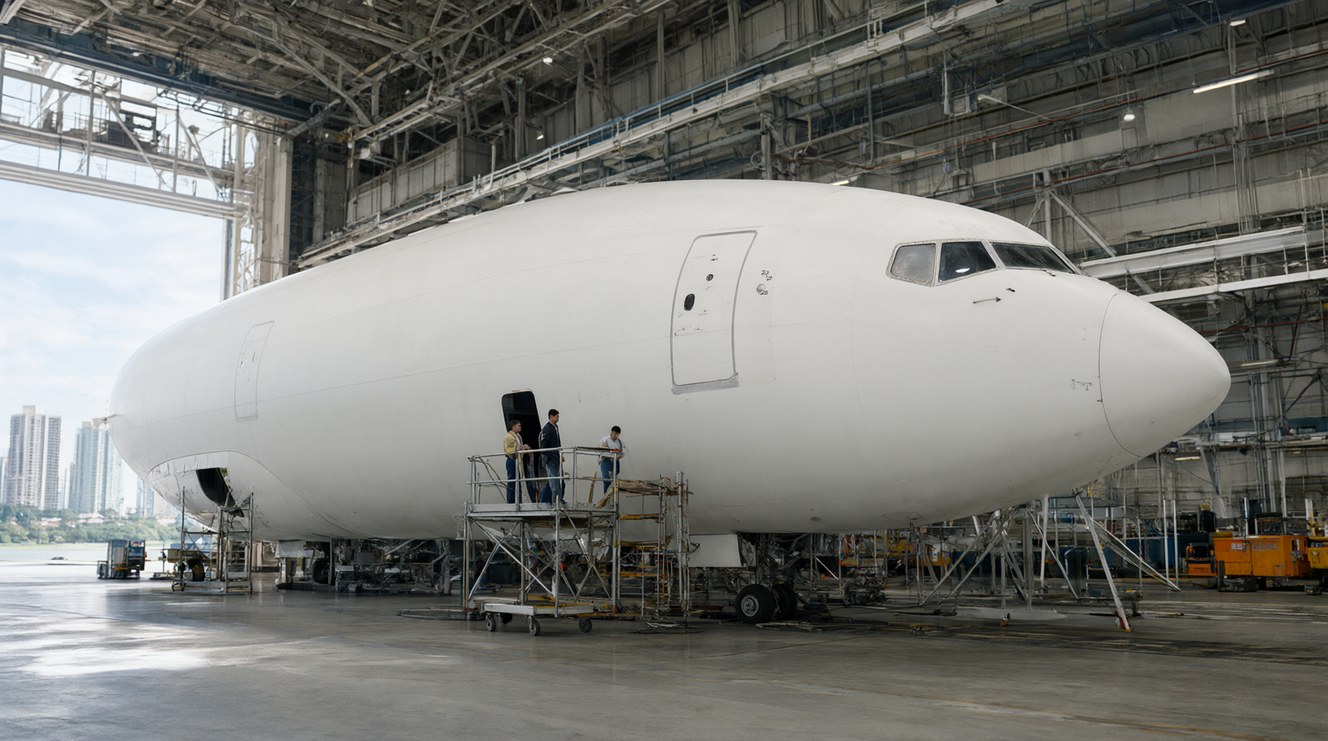
That's the classic question. Boeing merged with McDonnell Douglas in 1997, and many people still ask whether it was a good deal and whether the two sides ever found that synergy.
A common view among critics is that, in a sense, Boeing today is McDonnell Douglas. Boeing bought them, then ended up run by their way of thinking. It went from an engineering company to an accounting-driven company. I can't say how true that is from the inside. But it shows how hard it is to keep your culture when two companies join.
What decides whether a company succeeds?
Its culture, which really means its people. Unless your company is in property, where the buildings are the business, everything comes back to the people and how they work together.
A merger can buy a company. It can't buy the culture.
I've written more about this in Company Culture: Values Are Lived, Not Spoken, and about how shared background isn't the same as shared values in Why the Same Culture Doesn't Make You Friends. For what change at a big company can look like from the inside, see why Canva's 22% job cut drew little anger.
Have you been through a merger or a takeover? Did the two cultures ever really blend, and whose culture won? I'd like to hear your story.
Based on my Cantonese voice note recorded in Brisbane in November 2026. This is a personal reflection, not research. Facts checked: Microsoft announced its US$8.5 billion purchase of Skype in May 2011; Boeing and McDonnell Douglas completed their merger in August 1997. The view that McDonnell Douglas's culture ended up running Boeing is a widely held opinion, not an established fact. The images were made locally with Qwen Image 2.1 for the video, and AI helped me edit the English.