Is Australia worth visiting? Short answer: yes, but come for the nature, not the infrastructure. This piece is the text version of my 5-minute Cantonese podcast on exactly that question. I go through how dated the theme parks really are, how Japan beats Australia on convenience, what Australian food and nature have going for them, and a simple way to decide whether Australia or Japan suits your next trip.
In a hurry? The same episode also exists as a 90-second vertical Short on my YouTube channel. What follows is the full written version, with a few details the video didn't have room for.
Is Australian tourism infrastructure really that bad?
Direct answer: it's average, though it has improved a lot in recent years. Hotels are nothing special, hire cars all have air conditioning, and the distances between attractions are long, so without a car it's a slog. A video about Australian study tours made the rounds recently, claiming they're overpriced with poor English standards. I'd rather split the two things apart: fees and infrastructure are one question, the nature experience is another. Blending them into a single score isn't fair to Australia.
Tourism here was never meant to be infrastructure-first. Japan and Southeast Asia are infrastructure trips: you land and the trains, malls and onsen are queued up waiting for you. Australia is a nature trip; you fly fifteen hours to look at mountains, beaches and wildlife. Come with the wrong expectations and of course it feels like there's nothing to do. Set them right and the whole trip changes.
Is Movie World still worth a visit?
Direct answer: go if you love coasters, just don't expect anything new. Movie World is one of the best theme parks in Australia, but put it next to Universal Studios Singapore and the rides feel a generation old. I say this openly in the video. Dreamworld leans on one big drop tower. Both parks have added things in recent years, a movie-themed section here, a few new rides there, but the pace of renewal can't match the Asian parks.
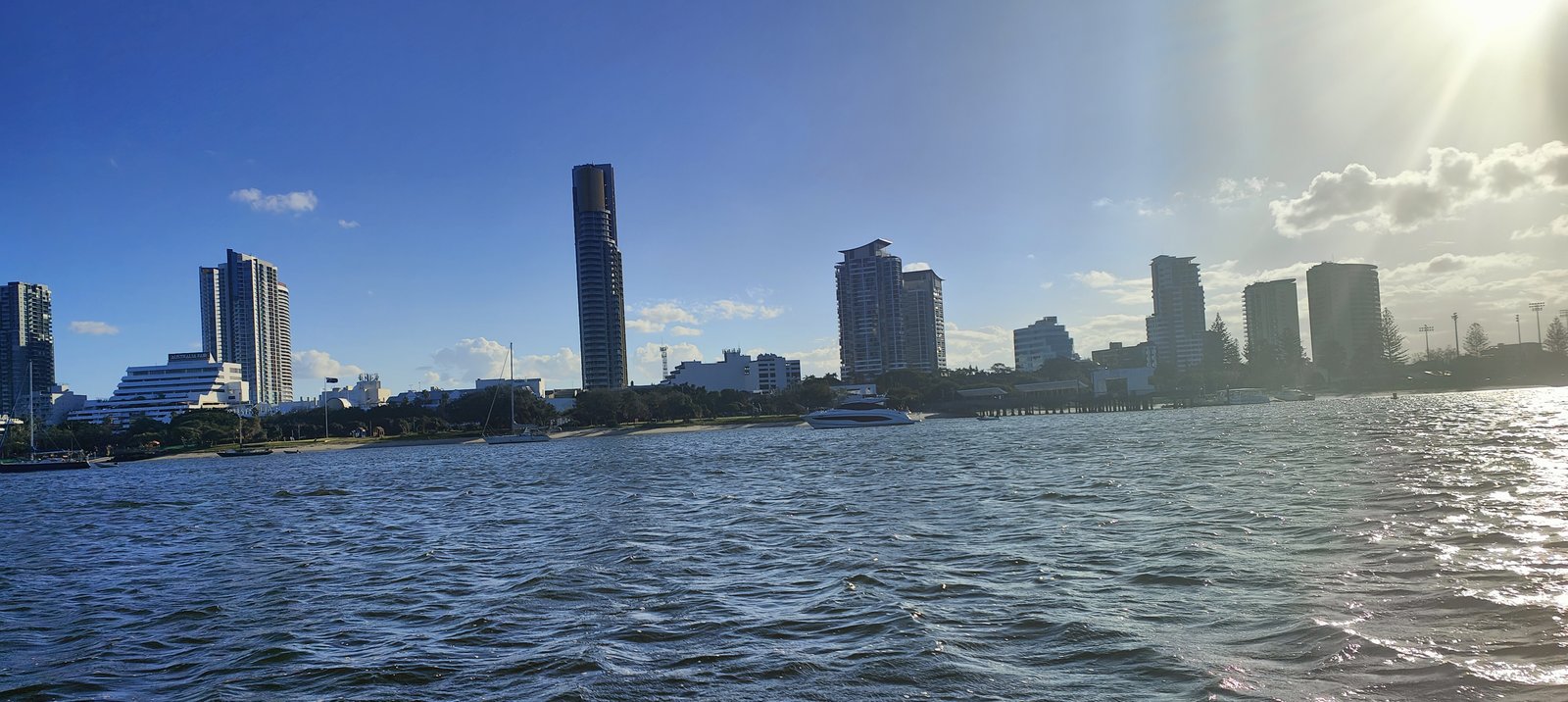
So treat the parks as one stop on a Gold Coast itinerary, not the point of it. The beaches, the hinterland and the local events are better value. The Gold Coast Show every late August, for example, is a free-entry family event; I shot an 87-photo gallery of the 2026 show if you want a look.
How does Japan beat Australia on convenience?
Direct answer: Japan's onsen towns plan your snacks, souvenirs and lunch for you, and Australia can't match that. What I remember from Japan is how the sights come packaged. Somewhere like the Umi Jigoku "sea hell" springs in Beppu has steamed onsen buns to taste, rows of souvenir shops, and good food within walking distance. One sight can eat half a day and you still won't cover it all.
That convenience density is Japan's real weapon: sights, restaurants, souvenirs and trains all connect, and your only job is to enjoy them. Australia works the other way round. One attraction is one attraction, meals need planning, and the next thirty kilometres can be empty. Neither way is better in absolute terms, but if you want the sit-back, everything-arranged kind of trip, Japan and Southeast Asia genuinely win.
Australian food: fresh but simple
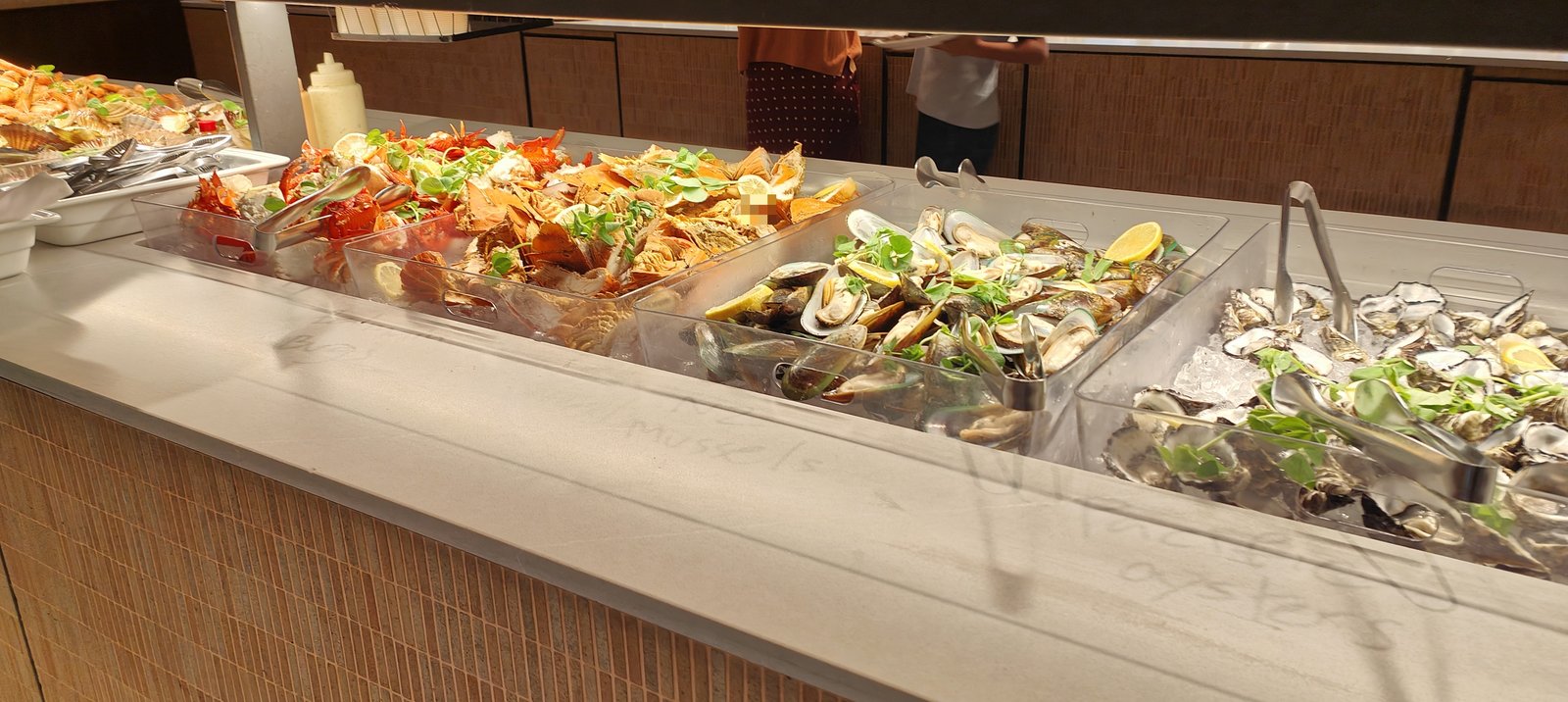
Direct answer: Australian food isn't bad, it's plain, and its strength is freshness. My favourite thing here is the oysters, so fresh they need no technique at all. Fish and chips is fresh fish fried for you, and a good fry is already the point. Friends who eat beef say the meat quality is what makes an Australian steak; I don't eat beef myself, so that may not be a fair judgement, but freshness of meat and seafood really is the strength here. Sauces and technique are the supporting cast.
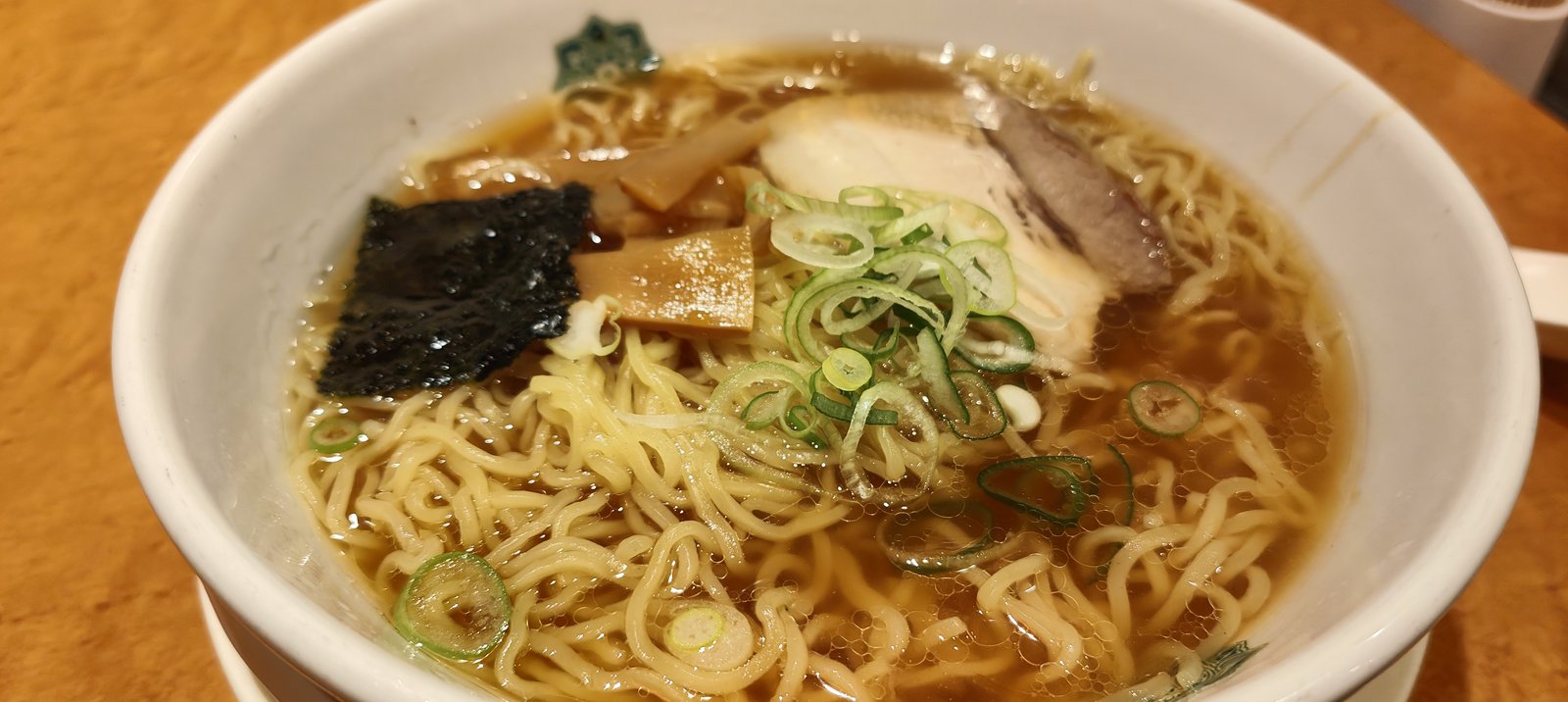
The catch: eat fish and chips every day, fried thing after fried thing, and you will feel greasy. Sit-down restaurants are the better bet, and the restaurant scenes in Sydney and Melbourne are honestly good; you just have to pick well. If you want Japanese food in Brisbane, I reviewed Kajiken, the abura soba shop on Creek Street: Kajiken Brisbane review.
Nature is Australia's real ace
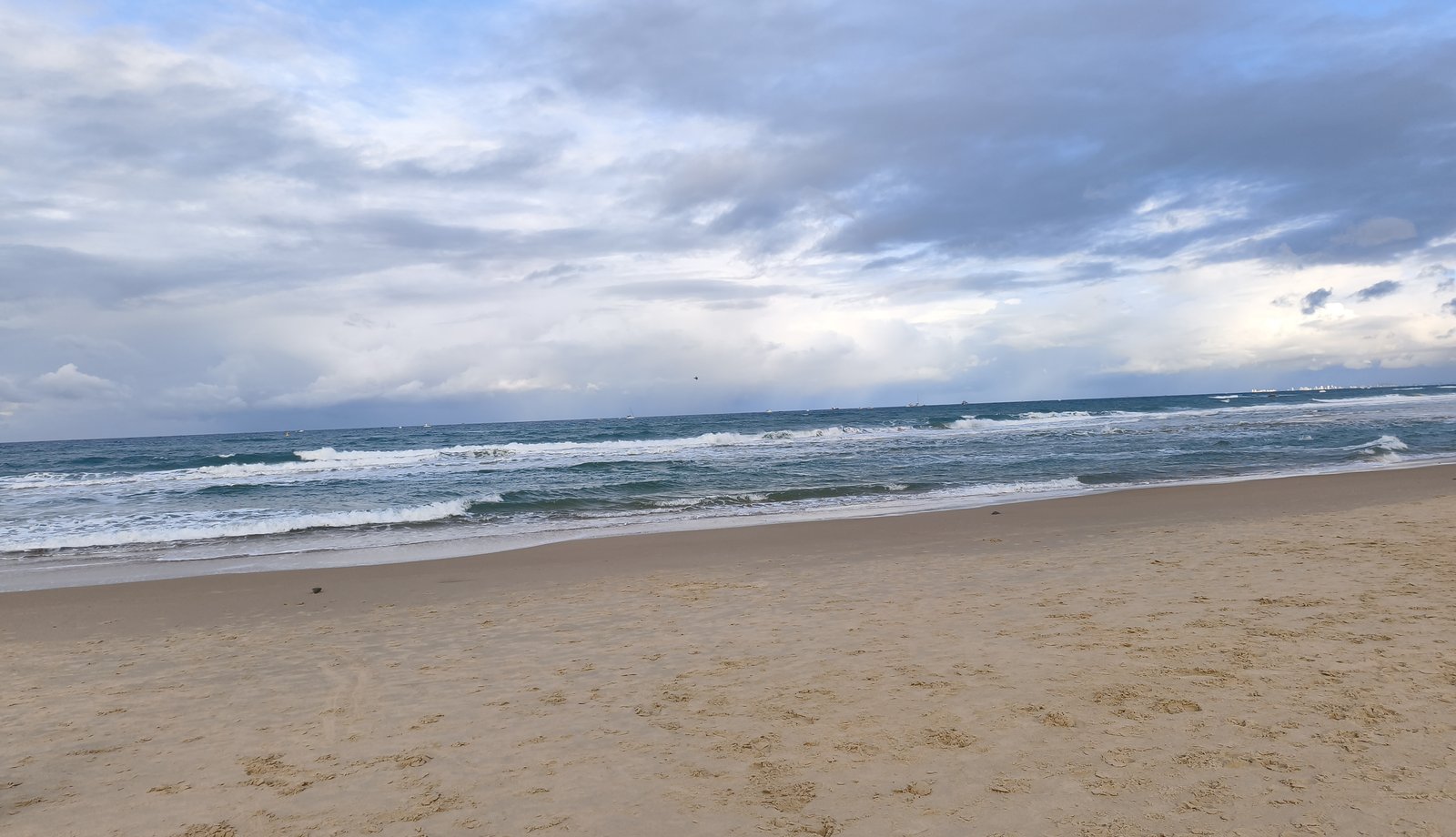
Direct answer: yes, and it's the one card that can't be replaced. Hikes, rainforest, waterfalls, beaches: all of it just sits there ready-made, and much of it is free. When relatives and friends visit, I take them up the well-known tracks to the waterfalls, and everyone comes back happy. Kids manage the walks fine; no training needed.
The world has prettier places, but Australia's edge is proximity if you already live here or in New Zealand, how raw it all feels, and how well it's protected. That's what theme parks and malls will never give you, and it's why average infrastructure doesn't mean Australia isn't worth visiting.
So which kind of traveller should pick Australia?
Direct answer: if you want scenery, slow days and time outside, Australia is world-class. If you want fun, food and a new show every night, go to Japan or Southeast Asia instead. New Zealand is similar to Australia, nature-first; Europe is its own thing, history, buildings and luxury shopping.
I do both. Living in Brisbane, a weekend at the Gold Coast or a bushwalk is plenty; when I want the everything-arranged kind of trip, I fly to Japan. Be honest with yourself about what you want from the trip. With the wrong expectations, even beautiful scenery feels boring; with the right ones, a plate of fish and chips can be the highlight. My travel photos live in the gallery on this site if you want ideas before a trip.
This piece is based on my own travels in Australia and my Cantonese YouTube episode 澳洲旅遊靠大自然?Movie World舊過頭、日本配套完勝 (2026). Information updated as of 2026-10-28.