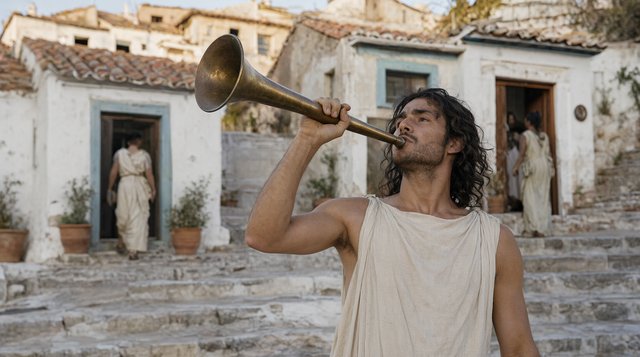
Over yum cha in a corner that felt half Hong Kong, half Brisbane, a wise old man told me a fable. A lion gives a starving village a magic bowl that turns water into fried rice. Newcomers help the feast grow, then push the villagers out. The lion gives them a plate of spaghetti and a new home. It's a good life, but they never stop missing the old taste.
When he finished, my mind went blank. I still don't know what he meant. Here is the story as he told it, so you can tell me.
I tell it in Cantonese on my podcast, with English subtitles on screen.
Who told me this story?
An old man who looked about sixty. We sat down for tea, he took a slow sip, and with very deep eyes he said, "Let me tell you a story from a long time ago."
What did the lion give the starving village?
Somewhere in medieval Europe there was a remote village. One year a great famine came. The villagers went back and forth and tried everything, and nothing solved the food problem.
Then one day they walked into a forest that people said was full of mystery. The lion who ruled the forest gave them a huge, magical bowl. Pour in a little water, and hot, fragrant Chinese fried rice appears by itself.
What was the lion's one rule?
The bowl was a gift, and it came with only one rule: whenever you see someone who is hungry, you share the food. You never keep it for yourself.
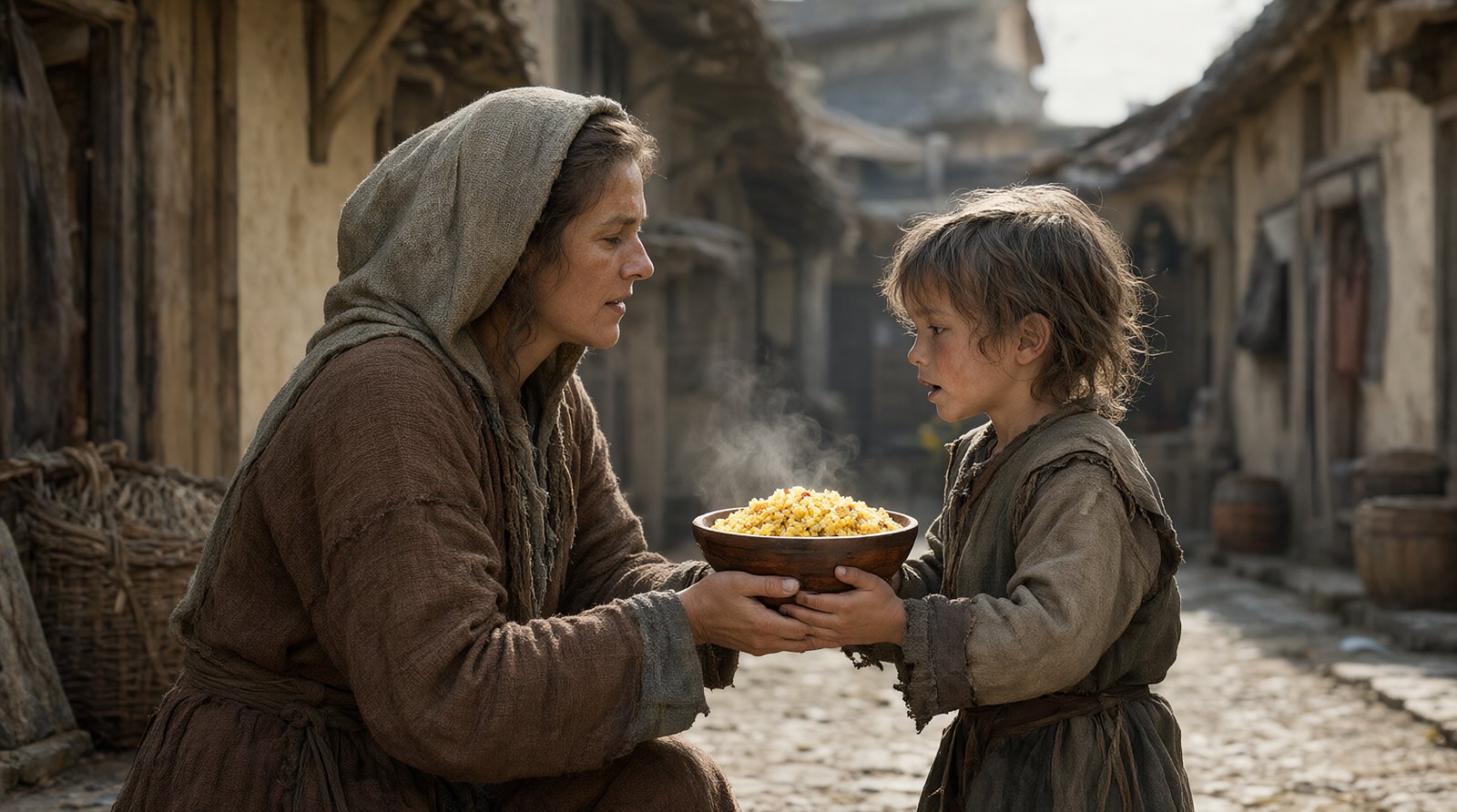
The villagers carried the bowl home and poured in water, and out came fried rice. At last everyone had enough to eat. For a while the bowl fed the whole village, and the villagers went further than the rule asked. They welcomed wanderers and travellers from every direction.
What happened when the nomads arrived?
Before long, a big band of wandering nomads came and settled there. The locals were warm about it. Of course they invited them to eat and share.
The nomads worked hard to help. They carried benches and put up tents. They even went round the nearby villages telling everyone about the magic bowl that makes its own fried rice.
They also found something better. The locals had always poured in ordinary well water, and got plain home-style fried rice. The nomads climbed the mountain, found clear, sweet spring water, and poured that in. The rice upgraded itself into precious shredded-abalone fried rice, and nobles and officials started coming to eat.
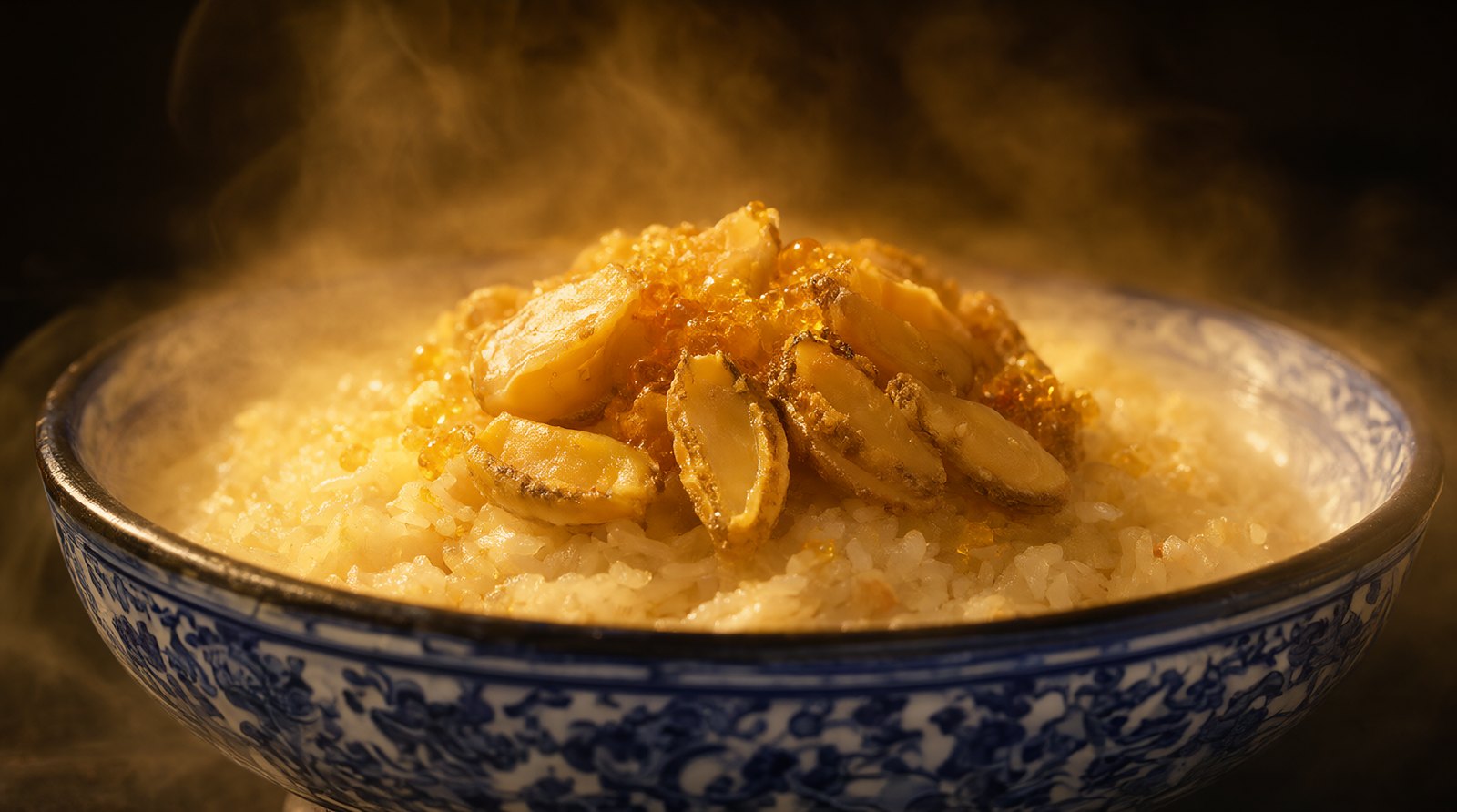
As word spread, people from nearby villages, and then from the town, all rushed in to eat.
Why were the villagers sent away?
In the end came the test of human nature. One day the nomads' leader turned to the locals and said:
"Hey, you don't belong here. You don't even know how to get the most out of this bowl. Look at the place now. Without us, how would it ever be this busy, this good?"

Then, without any shame, they forced every one of the original villagers out of the village.
The villagers were past tears and felt deeply wronged. With nowhere else to go, they trudged back into the forest to tell the lion.
What did the lion give them next?
The lion listened, looked at them very kindly and said: "Don't be afraid. We lack nothing here, and there is grace in abundance."
He did more than comfort them. He gave them an even more wonderful treasure: a plate. Ahead, in another place, a brand-new village was waiting for them. Pour water on this plate, he said, and you'll get a generous helping of spaghetti.
So the villagers took the plate to the new place and put down roots again. They poured in water, and out came plenty of spaghetti. Honestly, it tasted pretty good.
Why does spaghetti never taste like fried rice?
People are funny that way. If you grew up on the wok hei of Chinese fried rice, the smoky "breath of the wok", a plate of spaghetti every day always feels like it's missing something. You never quite get used to it.
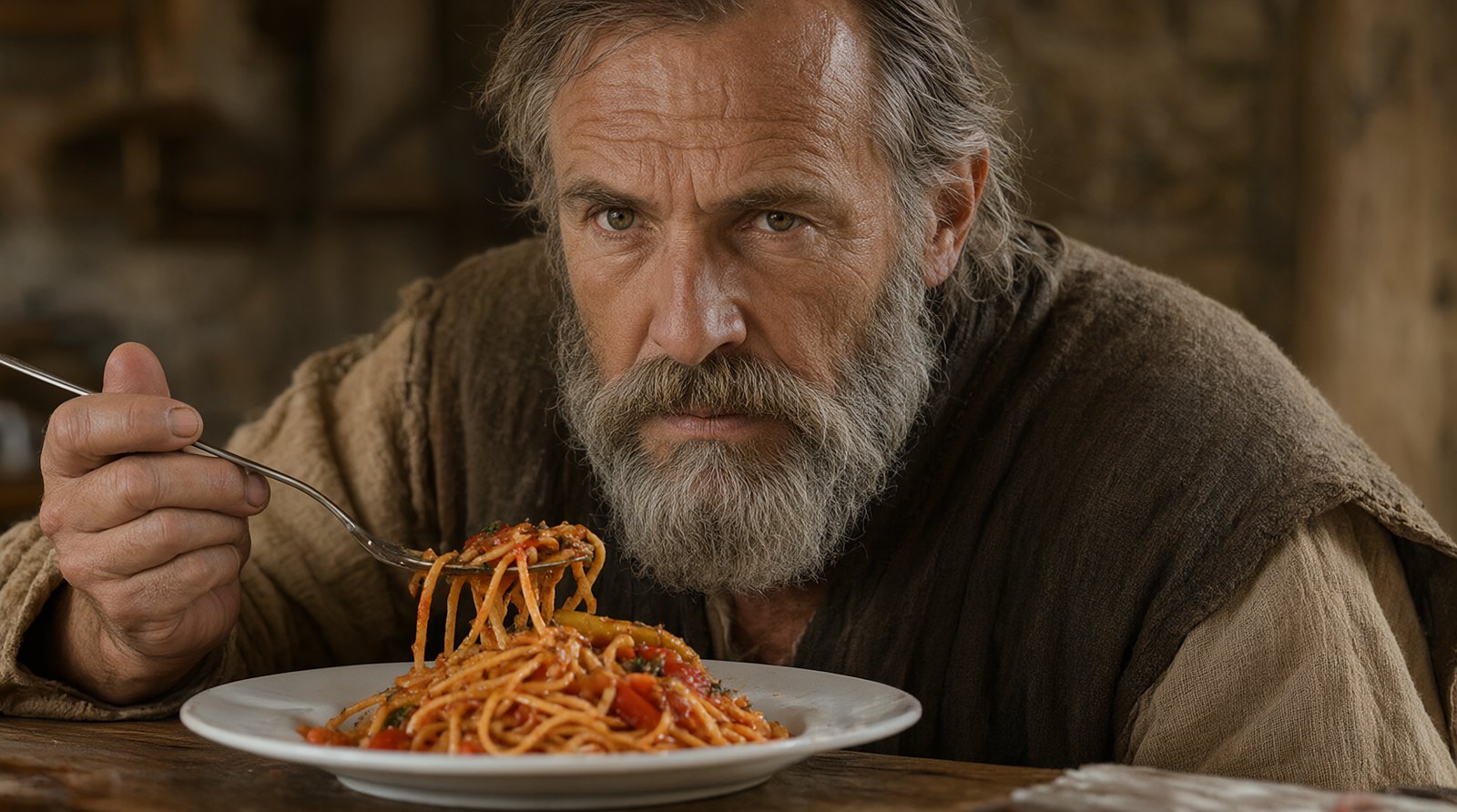
Even after years of settled, happy life in the new village, deep down they still seemed to miss that old taste.
That was the line that stayed with me: a new home can feed you well and still not taste like home.
So what did the master mean?
Honestly, I don't know. Medieval Europe, a lion, a magic fried-rice bowl, nomads who turned on their hosts, and a new village that ends up eating spaghetti. What was he trying to say?
Maybe that's just what wise old men are like. What they say is never something the rest of us can work out on the spot.
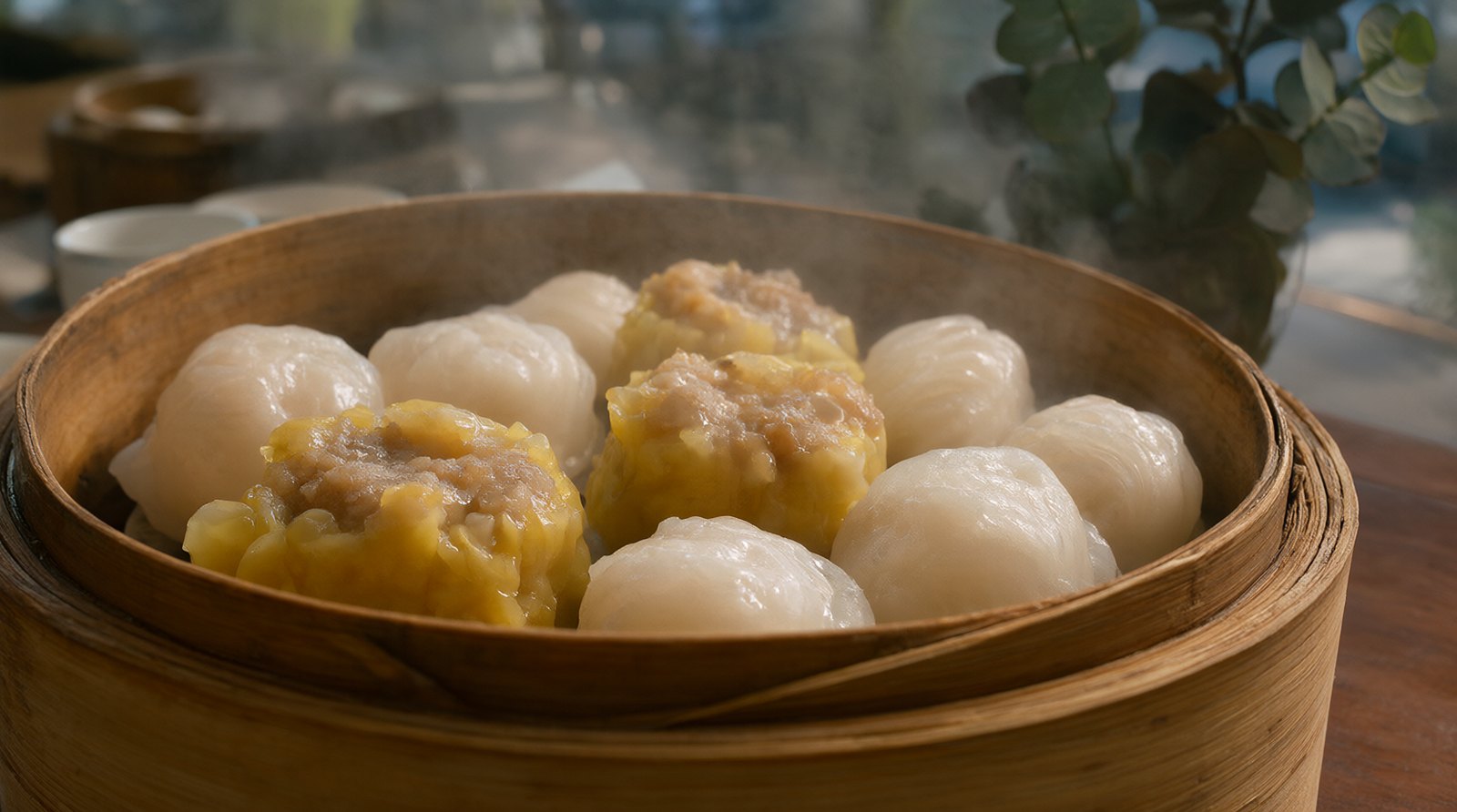
All I know is that the tea and the story will stay with me for a long, long time. Then again, the siu mai and har gow there really were pretty good.
What do you think the bowl, the plate and the nomads stand for? Tell me in the comments under the video or through my contact page. I'd really like to hear how you read it.
If you liked this, you might also like Why the Same Culture Doesn't Make You Friends and Brisbane Migrant Life: Friends as Close as Family.
This is a story I'm sharing as I heard it. The pictures were made locally with Qwen Image 2.1 for the video, and AI helped me edit the English.