What is the church? The New Testament word is ekklesia, and it means a people called out by God. It doesn't mean a club, a building, or an organisation that someone can speak for. I've recorded three Cantonese voice notes on this over the past few weeks, and this article puts them together in English. They cover who speaks for Protestants, why people still go to church, and the difference between being called out and being gathered in.
First, a disclaimer, because I say it at the start of every episode. This is my own view, and I don't represent any church. I was baptised in a church I haven't attended for six months, so I'm now what they call an "inactive member": no vote, and if I went back, the board would have to approve me again. I'm not an active member of any church. I haven't had any Bible training.
What does ekklesia mean?
It means "called out". The Greek word is made of ek (out of) and kaleō (to call), so the church is a group of people called out by God.
In Chinese, the word 教會 makes it sound like a society of religious people, a club for believers. And many people think of a building. But the building is really a chapel (教堂), not the church (教會). The original word describes the people themselves.
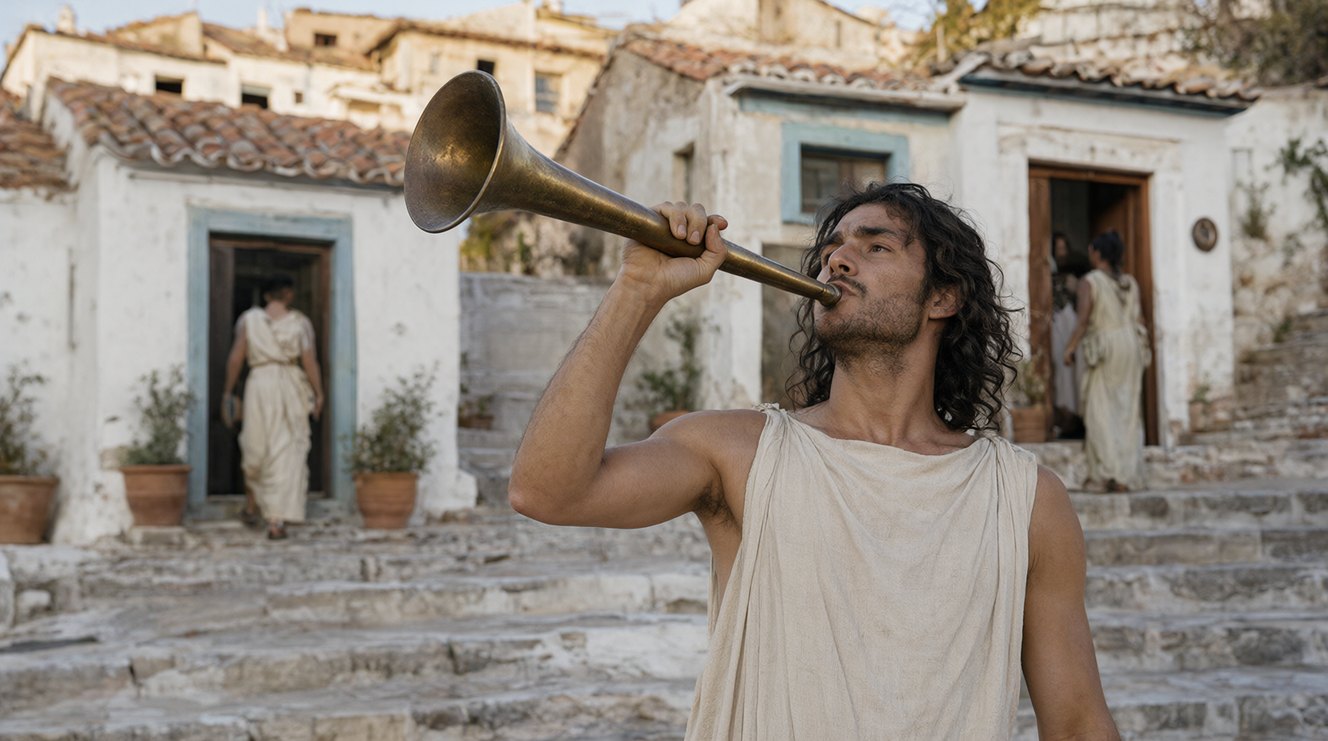
It came from ordinary city life. In the Greek city-states, many of which still ran their own affairs under Roman rule, the ekklesia was the citizens' assembly. When something important came up, a herald called the citizens out to meet. You can even see it in the Bible: when the town clerk in Ephesus tells a rioting crowd to settle the matter "in a legal assembly" (Acts 19:39), the Greek word is ekklesia.
So when Paul writes "to the church of God in Corinth... called to be his holy people" (1 Corinthians 1:2), and Peter writes that God "called you out of darkness into his wonderful light" (1 Peter 2:9), they're using a word everyone understood. The church is the people who were called.
Who speaks for Protestants?
My short answer is nobody does, not for all of them. That's what the first episode was about.
It started when Threads showed me a report on Christian Times (時代論壇), a popular Hong Kong Christian site. Catholic and several Protestant seminaries had held an academic symposium on justification, and the report framed it as a centuries-old split that might now be narrowing.
I have no problem with academic discussion. But any discussion needs a valid first assumption. If I want to prove that lunch is a kind of meal, I first have to show that lunch is something you can eat. Here, the hidden assumption was that a few seminaries and denominations can represent Protestants, or even all Christians.
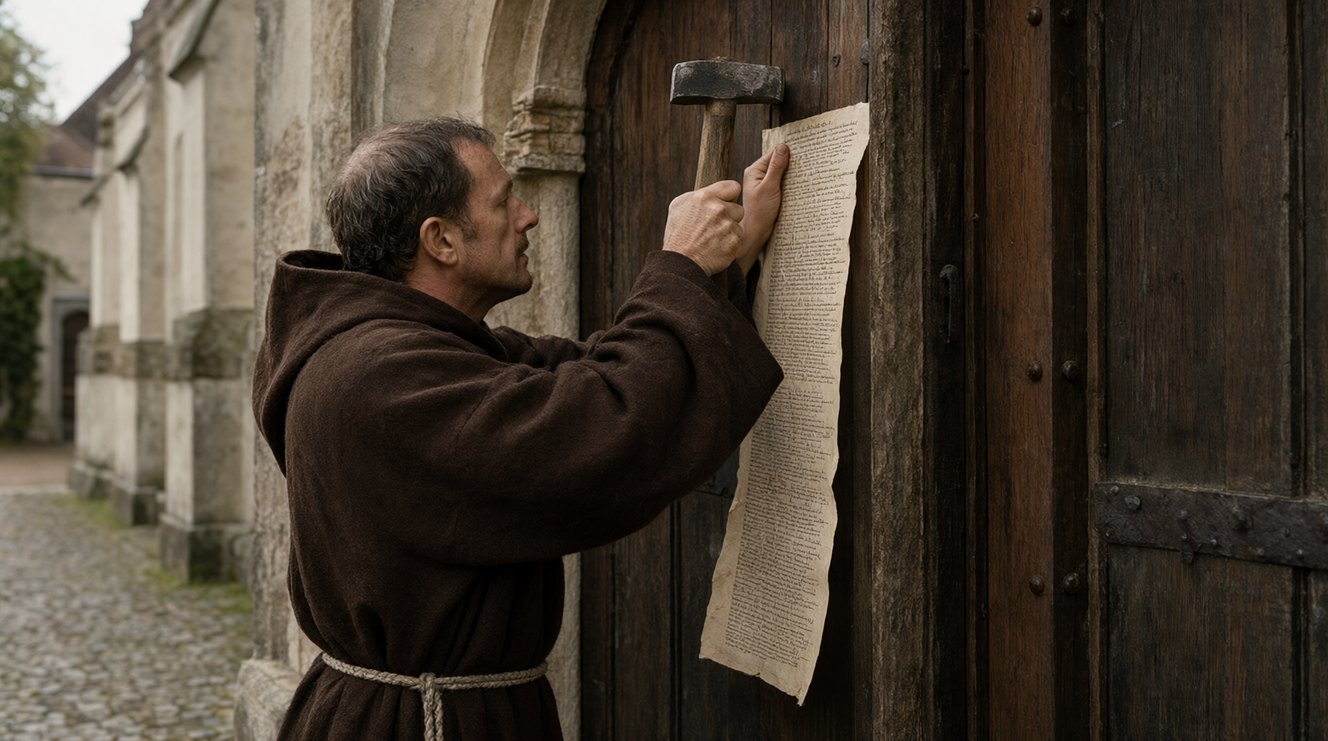
The Reformation had two big ideas. One was justification by faith (Romans 3:28). The other, which the report left out, was the priesthood of all believers (1 Peter 2:9). Every believer can read the Bible, has the Holy Spirit, and can come to God directly, without going through a church hierarchy.
The Catholic Church has Sacred Tradition, and the Pope and bishops give the final word on what Scripture and doctrine mean. The Reformers rejected that. They said Christ is the only head of the church (Colossians 1:18) and guides us through Scripture, and the Spirit helps us understand it. Seminaries, teachers and pastors still matter. They're shepherds, who pull you back when you've wandered too far. But a shepherd isn't a spokesperson.
So when an article treats a group of seminaries as speaking for Protestants, it's looking at the church from a Catholic angle. That isn't narrowing the gap. It has already accepted the Catholic view of the church and given up one of the Reformation's main points.
Is the church one institution or many churches?
In the New Testament, "churches" is often plural. Paul writes "to the churches in Galatia" (Galatians 1:2), not to "the Galatian Church". He writes to "the church of God in Corinth", one local group of people. The church as a whole, as I understand it, is everyone who believes in Jesus Christ. It isn't one body that speaks for everyone.
Some people told me I was going against the Apostles' Creed, which says "I believe in the holy catholic church". But the creed is a creed. It isn't Scripture, and we shouldn't mix the two up. Others say "justified by faith" is Paul's idea, not Jesus'. I believe all Scripture is God-breathed (2 Timothy 3:16). We don't put Jesus' words a level above Paul's.
And Christianity today is very fragmented: charismatic, evangelical, fundamentalist and many more. Nobody can speak for all of it. Most people can't even speak for their whole denomination.
Can you have church without going to a church?
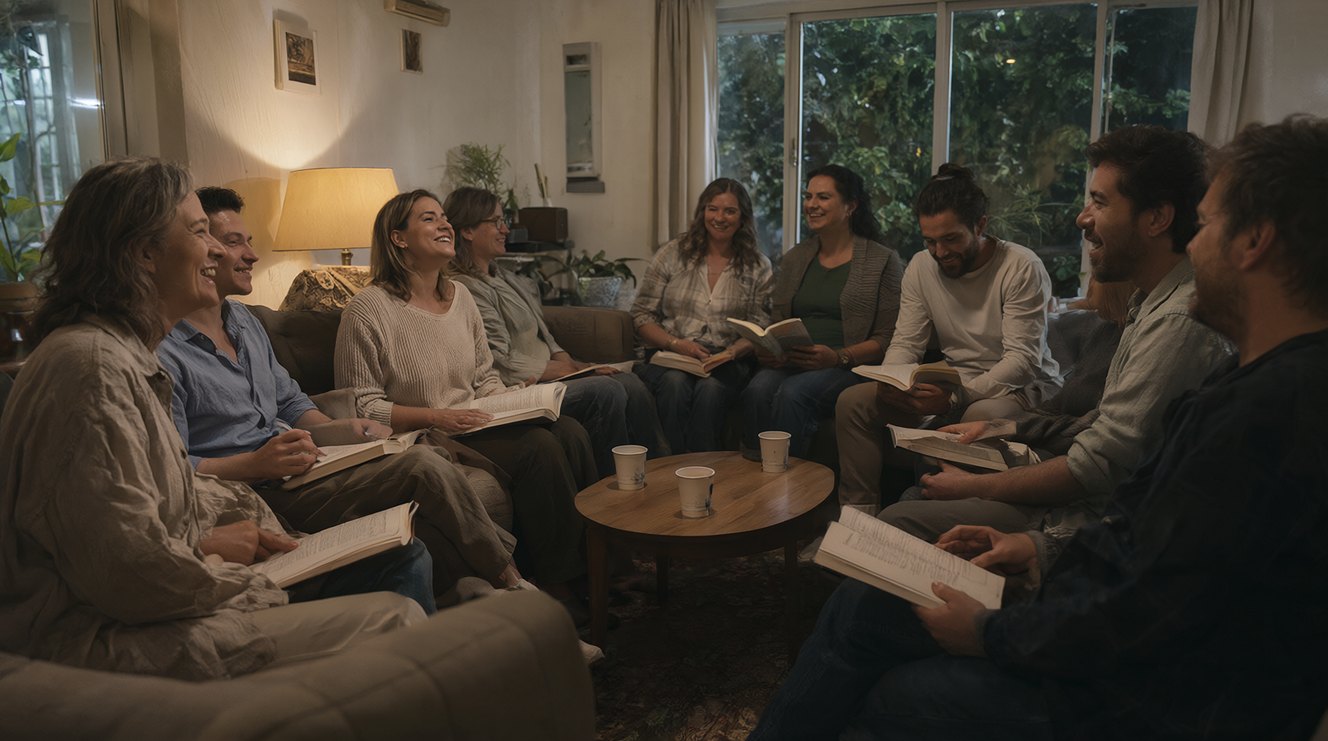
I think so. I know believers who don't attend any church, but they have their own small groups, read the Bible together, share and pray. That's people gathering in the Lord's name. "For where two or three gather in my name, there am I with them" (Matthew 18:20). The early church met to devote themselves "to the apostles' teaching and to fellowship, to the breaking of bread and to prayer" (Acts 2:42).
They have church. They just don't have an institution. The Quakers worked in a similar way, taking turns to speak and share Scripture. As long as people live out what they say, I think that's fine. In the end, "each of us will give an account of ourselves to God" (Romans 14:12), not to a church leader.
Why do people still go to church?
The second episode asked this. A survey on that same site looked at people who had left the church. I wanted to ask about the people who stay. Why are they still there? Is it really for their faith?
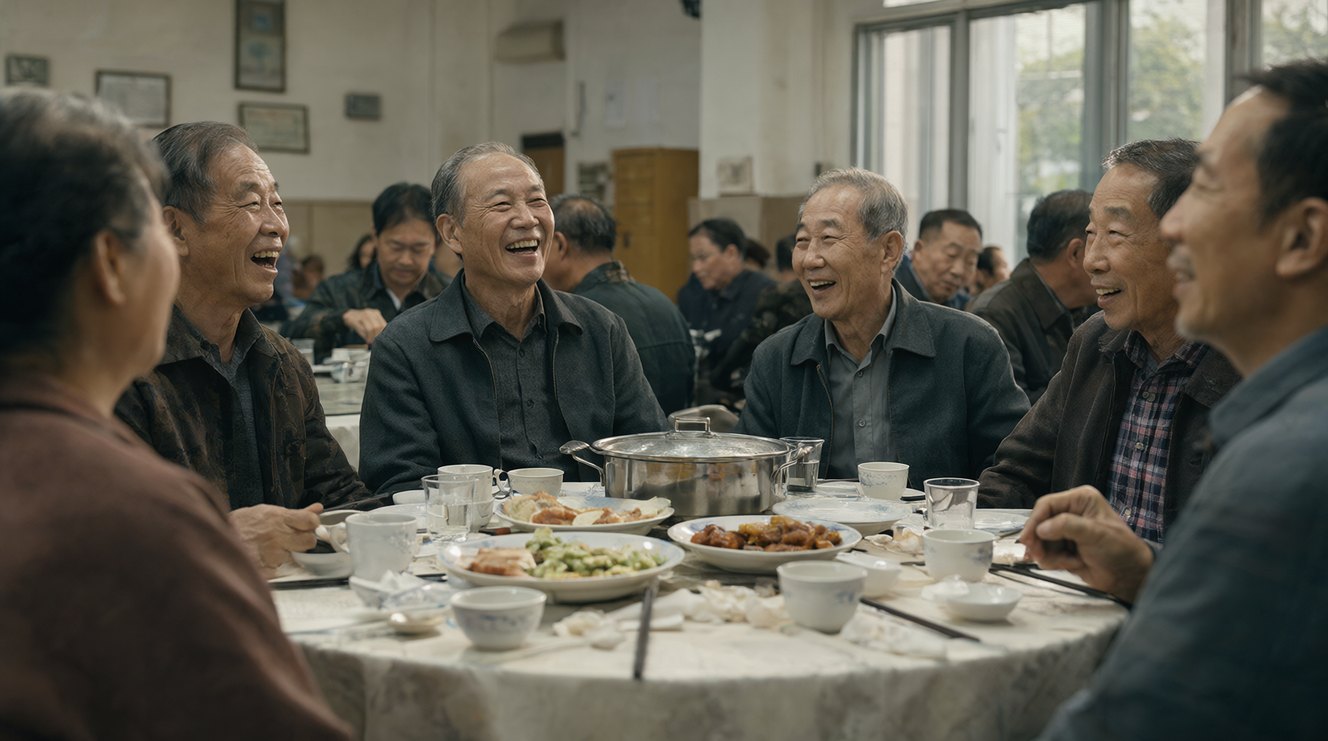
Especially in Chinese circles, a lot of people go to see familiar faces and have a meal. Often the main course isn't the service at all. It's the lunch afterwards, or the tea time after worship. That's the happiest part of the week.
So is the church a hometown association? A community centre? Or has it become a private club, where people with the same language and similar backgrounds sit together and feel they've had a good Sunday? In migrant circles it can even turn into a marketplace: which school are your kids at, where are the bargains. If that's what church is, it's very different from what I understand the church to be.
Why does "called out" mean different people?
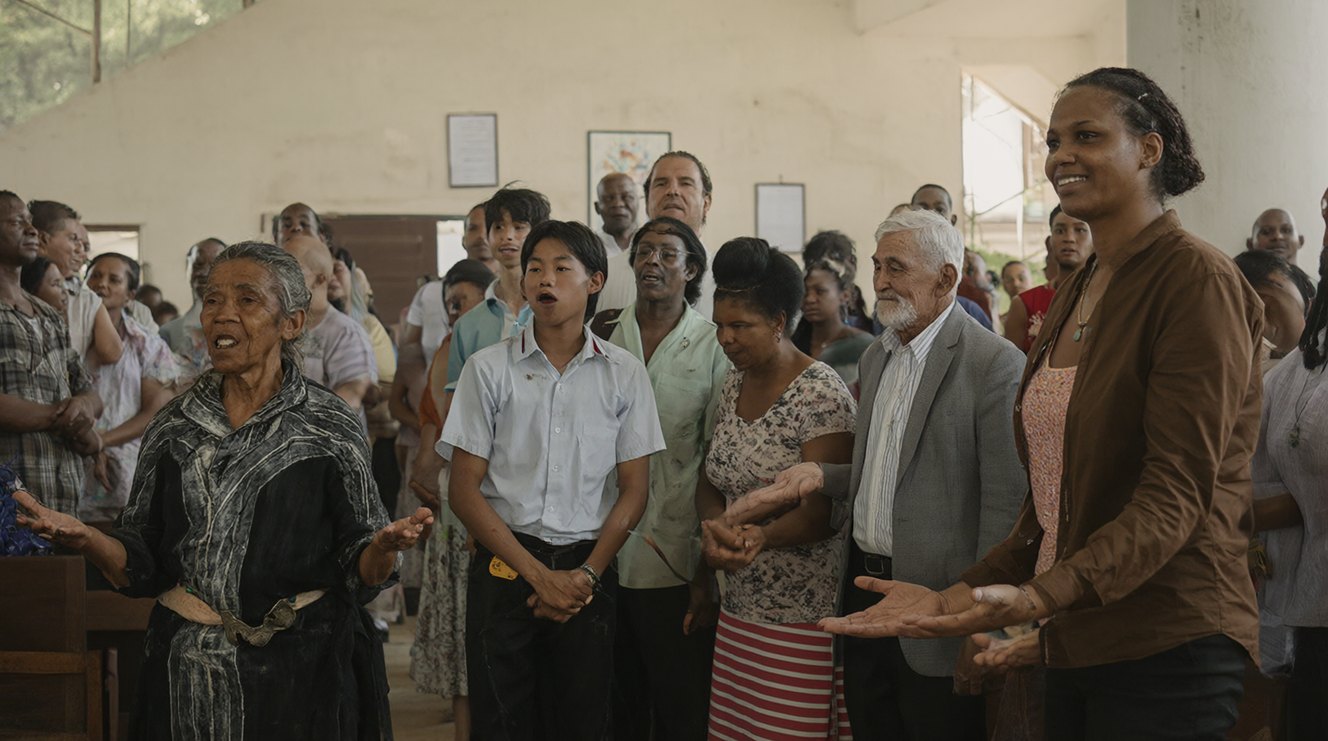
If you're called out of a whole city, you end up with all kinds of people, not just people like you. "There is neither Jew nor Gentile, neither slave nor free, nor is there male and female, for you are all one in Christ Jesus" (Galatians 3:28).
The reason we gather is the Lord. "There is one body and one Spirit... one Lord, one faith, one baptism; one God and Father of all" (Ephesians 4:4-6). Fellowship isn't the problem. But if church shrinks to a hometown association, a private club, or a place where I personally feel happy, it has lost what the church means.
Called out, or gathered in?
That's the question in the third episode.
The churches I know, Chinese churches and Hong Kong churches, usually run a lot of activities: good dinners, social events, something like a community centre or a social club. They might say this is calling people in. I'd call it gathering. In Chinese the two words are 召 (to call) and 聚 (to gather), and there's only one character between them. But the main actor is different.
When God calls, God is the one doing it. Scripture says "God is faithful, who has called you into fellowship with his Son, Jesus Christ our Lord" (1 Corinthians 1:9). It isn't the pastor, and it isn't us. When we talk about building a big pool of people so we can evangelise, we've quietly put ourselves in the main role.
Is eating together at church wrong?
No. The early church was very down to earth. People lived life together and shared love feasts. "They broke bread in their homes and ate together with glad and sincere hearts" (Acts 2:46). The Lord's Supper back then wasn't a tiny piece of bread. They actually ate.
But Paul was very clear with the Corinthians: "Don't you have homes to eat and drink in?" (1 Corinthians 11:22) and "Anyone who is hungry should eat something at home" (11:34). Don't come to the Lord's Supper to fill your stomach.
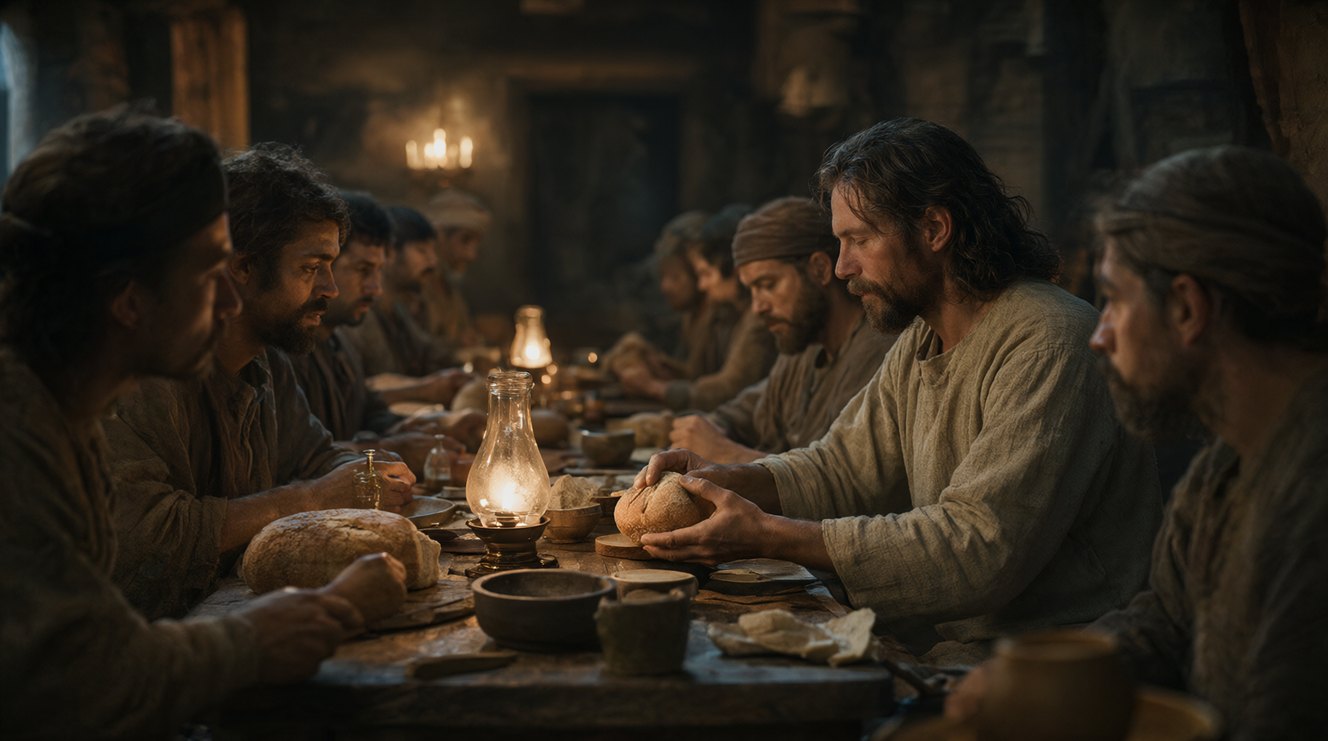
Paul calls it "the Lord's Supper" (11:20). So be clear about who is the host and who are the guests. The Lord is the host. We're the ones invited.
So what is the church?
A people called out by God, with Christ as the head. Activities can gather a crowd, but only God calls a church.
So the question I'm left with is this. Are we calling people to church? Are we gathering people in? Or are we really this people, a people who have been called? I think we need to get that clear.
I've written about faith before in Midlife Lesson: Learning to Be Kind to Yourself, where I talk about why carrying the cross is between a person and God. On why a shared background isn't the same as real fellowship, see Why the Same Culture Doesn't Make You Friends, and for migrant circles in Brisbane, Can You Live in Brisbane Without English?
Why do you go to church, or why did you stop? Do you feel called out, or gathered in? I'd like to hear your view, and if you think my theology is off, tell me that too.
Based on my three Cantonese voice notes recorded in Brisbane in 2026. This is a personal reflection, not theology research, and it doesn't represent any church. Bible quotes are from the NIV in English; the videos show the Chinese Union Version (和合本). Facts checked 12 November 2026: ekklesia is formed from ek (out) and kaleō (to call); the word is used for the Ephesus assembly in Acts 19:39. The images are AI-generated stills from the videos, made locally with Qwen Image 2.1, and AI helped me edit the English.