Can you live in Brisbane without English, on Cantonese alone? My answer is yes, you can survive. But surviving and really living are far apart, and the gap gets wider once you have kids. I've lived in both Brisbane and Sydney, so that's what I'll talk about here.
A lot of friends have asked me this, so I recorded a Cantonese podcast about it on Brisbane真好. The video has English subtitles.
Does it matter where in Australia you live?
Yes, a lot. Brisbane and Sydney are big cities. Out in the outback, Cantonese alone won't get you far. So let's narrow it down to the two cities I know.
Even there, the answer depends on two things: how you define "surviving", and what stage of life you're at.
Can you survive in Brisbane on Cantonese alone?
Yes. Say you're on a working holiday and you work as a waiter at a yum cha restaurant. Your landlord is Chinese too. As long as you speak Cantonese or Mandarin, you can get by. If you don't speak Cantonese, you find a Mandarin-speaking landlord instead. That works too.
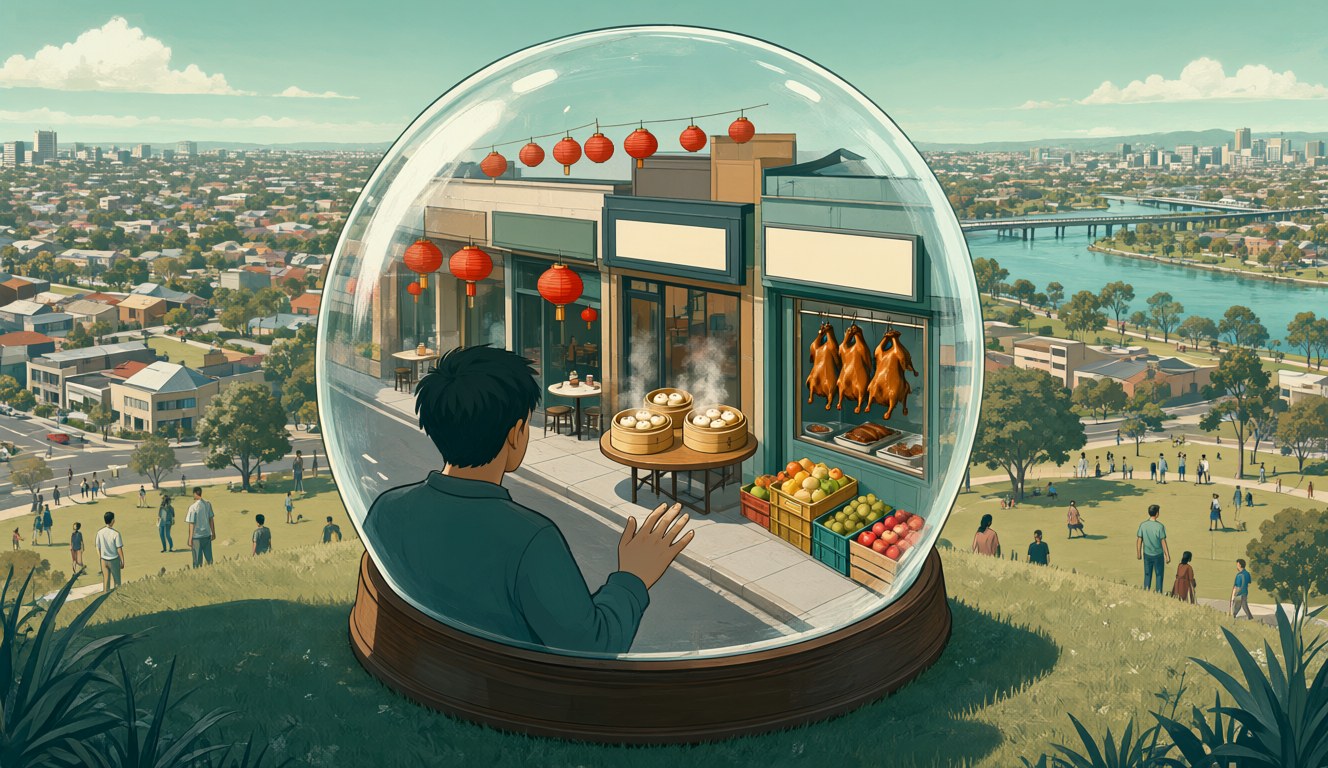
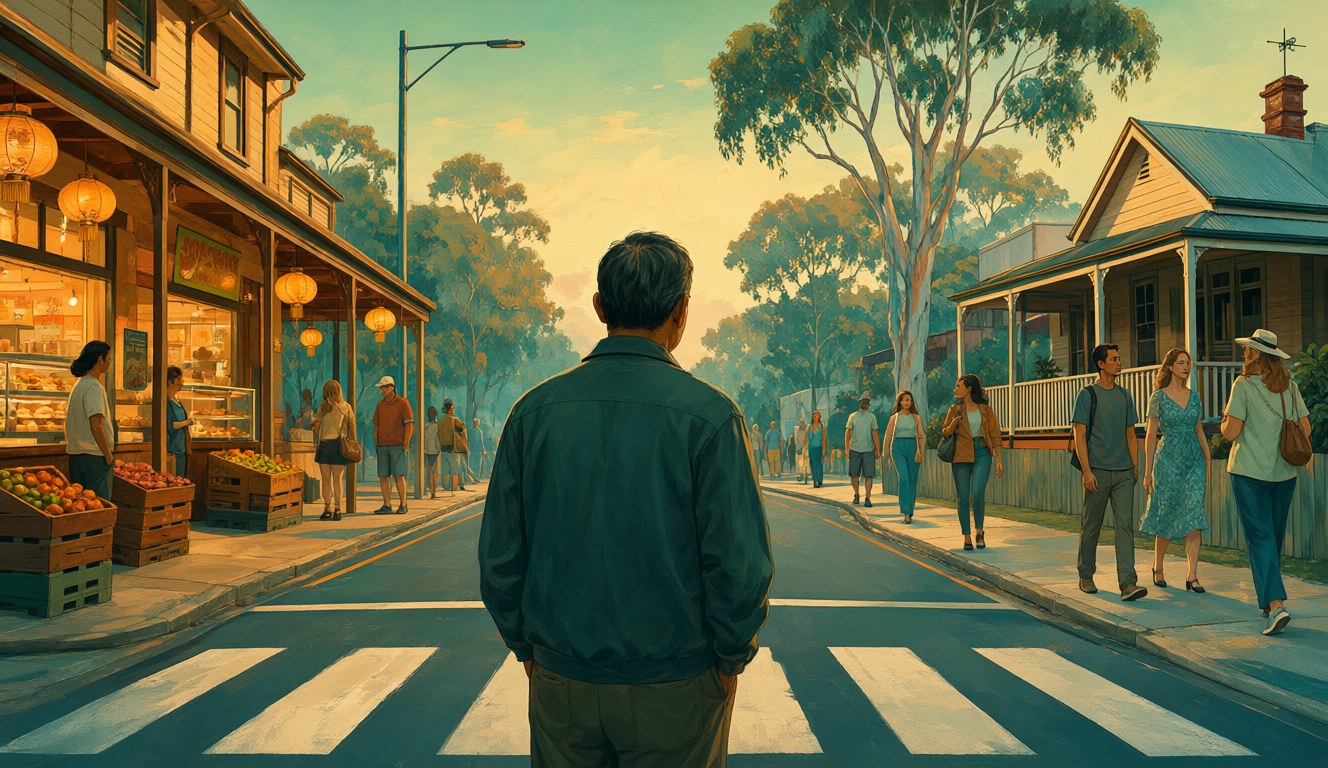
For a doctor, you see a Chinese-speaking GP. Public transport is easy. For food, you go to the Asian supermarkets and butchers, where everyone speaks Chinese. Stay around Sunnybank, what some people call the "centre of the Chinese universe", and you really can get through the week.
When I was an overseas student, I barely needed English at school either, because so many of my classmates were from Hong Kong. So yes, you can survive.
What's the difference between surviving and living?
Back then, every group project, I picked Hong Kong friends. Not Aussies, not anyone from another country. Only people who spoke my language. That's surviving. It makes life smaller and harder than it needs to be.
Knowing one more language always helps. If you learn Japanese at uni, you can make Japanese friends. In Australia, the language most people speak is English, so English lets you talk with the most people.
The numbers make the point. In the 2021 Census, 72% of Australians used only English at home. Mandarin was 2.7%. Cantonese was 1.2%.
Cantonese can get you through the week. English gets you into the rest of the city.
Why is English still so important in Australia?
Because the law is written in English. Contracts, leases and government letters are all in English. People who read English have the edge. Without it, with only Cantonese and Chinese, you lose out on almost everything.
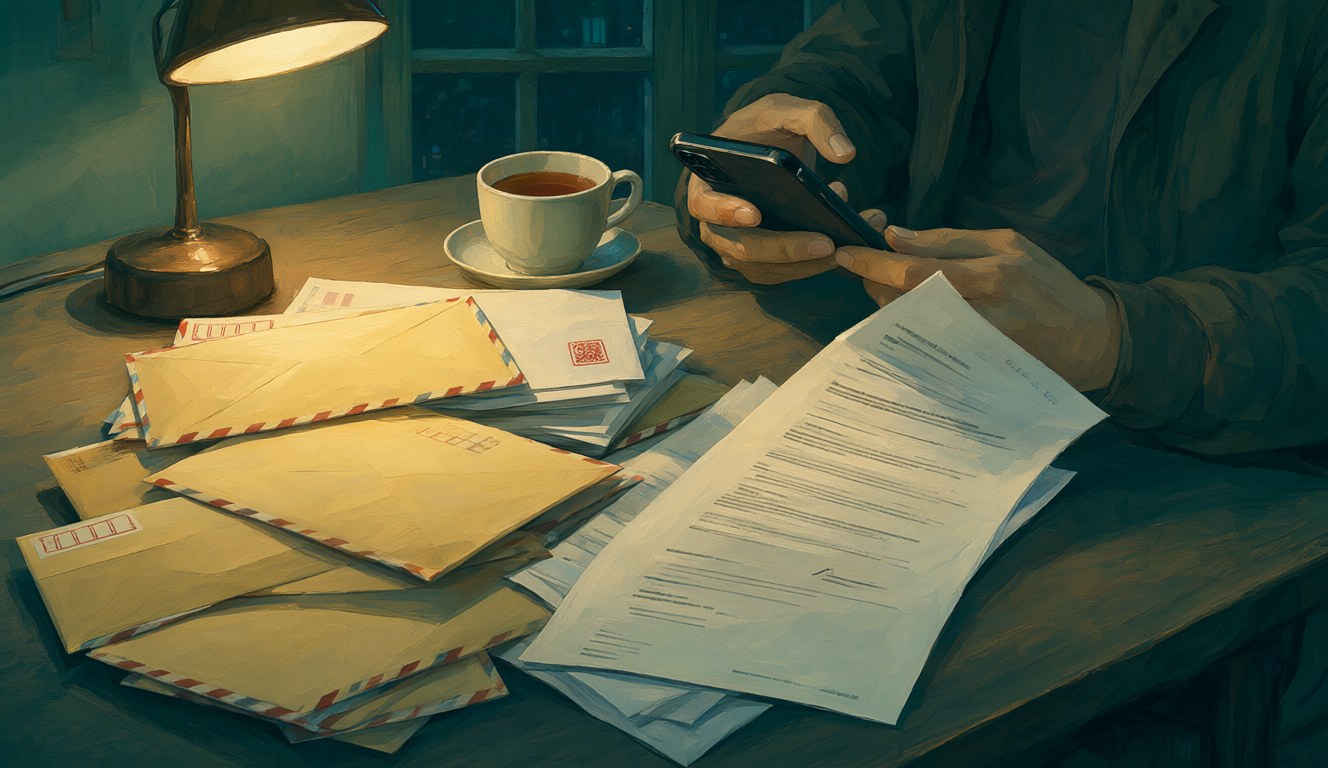
I wrote about a similar feeling in Raising Kids in Brisbane as First-Generation Migrants: the unspoken rules at work and at school that nobody explains to you.
Can AI translation replace English?
In theory it makes things a bit better. You've got AI and translation apps now. Snap a photo of the contract, read it in Chinese, and even ask the AI whether there's a catch. So in theory, you can live like that.
But will you be comfortable? It's a hassle. Say a police officer pulls you over, and you reach for your phone to translate. From the officer's side, they've just told you not to move, and you're pulling something out. That could turn into a big misunderstanding.
If you need help with English in a situation like that, you can ask for an interpreter. The government's interpreting service, TIS National, is on 131 450.
So English really does help. But it's not true that you can't live in Australia without it.
What changes when you have kids at school?
Before kids, you really can stay in a bubble. With kids, it's much harder. At school there are all kinds of people.
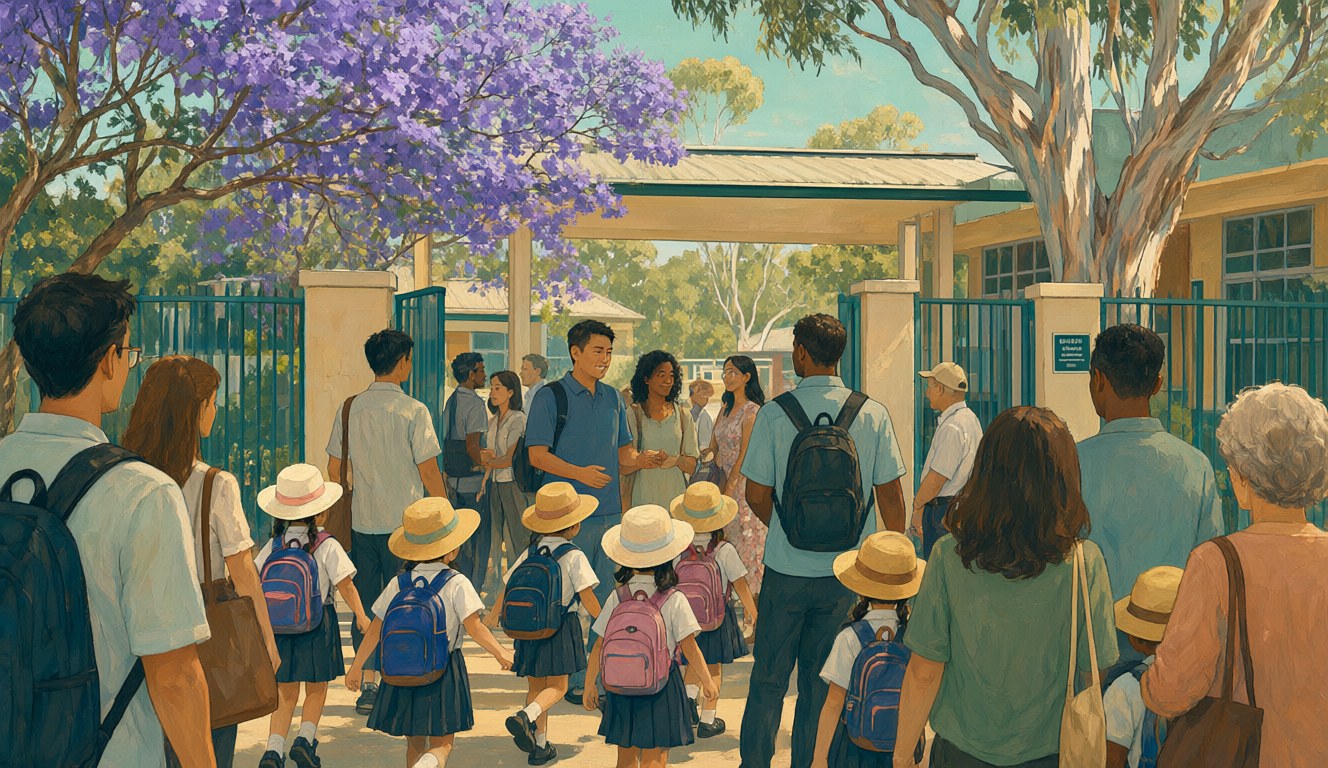
Some friends say you need your own circle, your own community, and that it needs a critical mass. Say at least 10% of people. But think about a school class of twenty to thirty kids. Ten percent is just a few kids, and maybe one or two parents who speak Cantonese. That's not much of a circle.
You can pick a school with more Chinese families, and there might be a few more. But you'd still feel quite detached. Once your kids start school, it's hard not to blend in. You can still mostly mix with Chinese people, but there will always be other people around you, because there just isn't a critical mass.
Some people think living only in Cantonese is possible. I think it's a hard way to live. And I don't think it's needed.
Should you stay in the Chinese community or open up?
I'd say be more open. Australia has so many different people, and Brisbane especially. That's a gift. Why stay in one corner of it?
I won't pretend it's easy. It is tough. Even now, in a multicultural group I joined not long ago with plenty of Aussies in it, the people I'm closest to are still Chinese. It's only been a short time, and we're not that close yet. But that's what an open mind means: you keep trying.
Sooner or later, you have to put down roots here. You can't just huddle together. Hold on to your own culture, but you'll still meet people, and you'll still grow. See where it goes.
I wrote about why the same background doesn't automatically make friends in Why the Same Culture Doesn't Make You Friends, and about how close friends become when your family is overseas in Brisbane Migrant Life: Friends as Close as Family.
So, can you live in Brisbane without English?
To sum up: surviving, yes. But at the survival level, think about seeing a doctor. A Chinese-speaking GP is easy to find. A specialist is harder, and if you need different specialists, finding a Chinese-speaking one for every kind is hard. If you're new to how doctors and rebates work here, my Medicare explainer covers GPs, specialists and bulk billing.
So you can survive on Cantonese. To really live here, learn as much English as you can, and stay open.
Do you think you could live comfortably in Australia on Cantonese alone? Or did English change everything for you? Leave a comment on the video or tell me on the contact page.
For a walk around the area I mentioned, see my Sunnybank Hills jacarandas album.
Sources (checked 2 November 2026): Australian Bureau of Statistics, 2021 Census of Population and Housing (language used at home: English only 72.0%, Mandarin 2.7%, Cantonese 1.2%); Department of Home Affairs, Translating and Interpreting Service (TIS National), 131 450.
This is a personal reflection based on my podcast. The images were made locally with Qwen Image 2.1, and AI helped me edit the English.