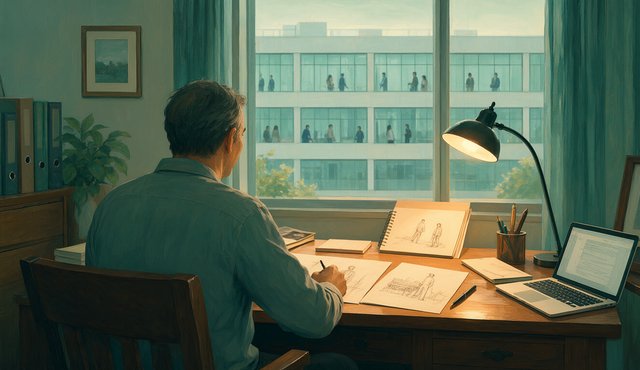
Learning to be kind to yourself is something most of us only get around to in midlife. When we're young, we push through everything, and we even think it looks good. Looking back now, I don't think most of that pushing was needed. Somewhere along the way I learned to let go, take a step back and put myself first.
I talked about this first on my Cantonese podcast, Brisbane真好. The video has English subtitles.
I'm not one of those people with a huge life story to look back on. These are small stories. I suspect a lot of people have lived some version of them.
Why don't we know how to be kind to ourselves when we're young?
Because our bodies let us get away with it. When you're young, you can stay up late, skip meals and keep going, and nothing seems to break. So you never learn to look after yourself. There's no reason to.
Some people say it's almost built into us, like a fact of human nature. Young people just don't know how to treat themselves well.
Back then, friends kept telling me the same thing: learn to let yourself off the hook. Let yourself go, and let other people go too.
When is it time to leave a group that's hurting you?
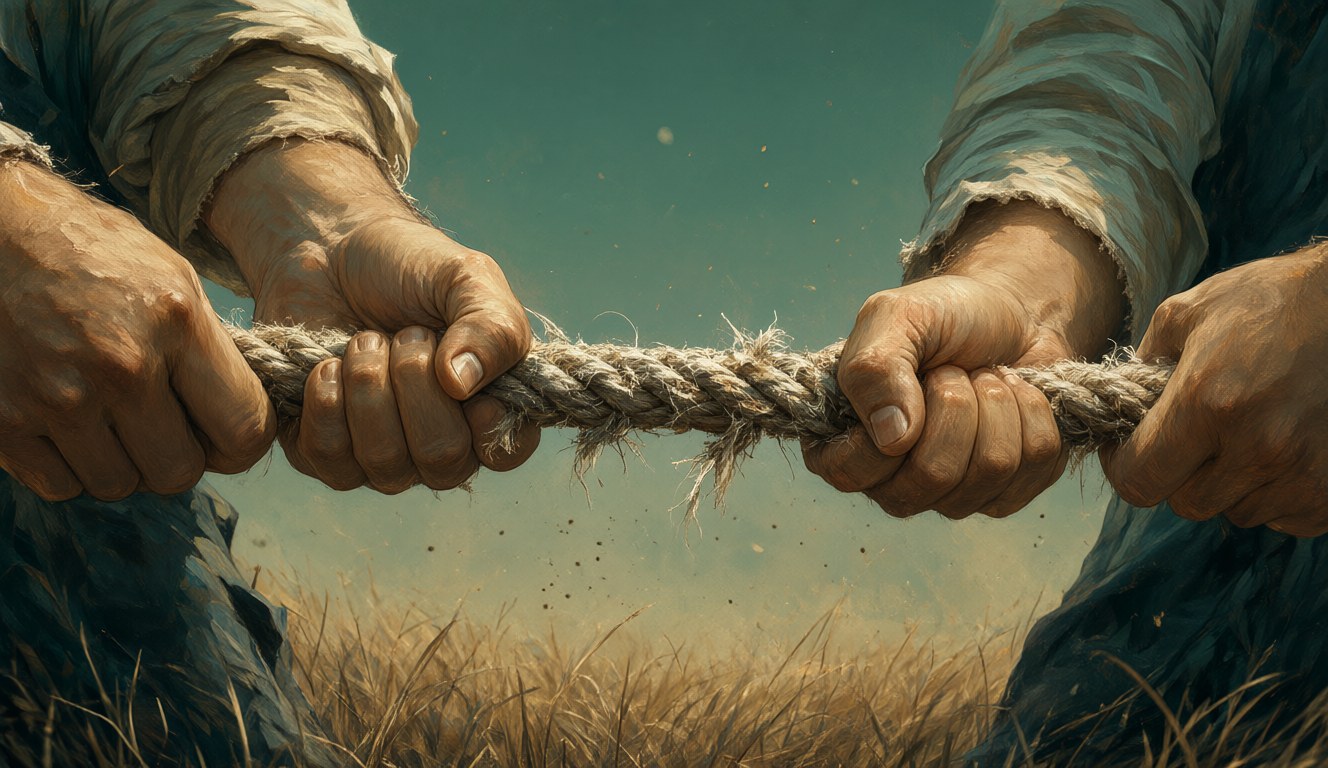
For me, it was when it started to affect my emotions and my friends told me I'd gone too far. A few years ago, something unhappy happened in a circle I was part of. I won't go into the details. By the end I could see it was really getting to me, and a lot of my friends felt I was taking it too hard.
So I said to myself: OK, stop. I need to leave this circle. It was better for me, better for the people around me, better for everything.
Once I left, my relationships probably got better. Changing jobs, honestly, is the easier version of the same move.
Why does dragging it out feel heroic, and why isn't it?
When you're young, staying in the fight feels brave. You drag it in, you drag it on, and you feel like some kind of hero. It looks cool. It feels strong.
It's pointless. Even if I had tried harder in that circle, even if I'd kept getting tangled up in all those relationships, nothing would have changed. The people stuff would have stayed exactly the same.
That was the real lesson. With me or without me, the circle keeps running the way it runs. I'm not saying it was good or bad. I'm just not such an important person. Even if I were, one person can't do that much.
Can you take stress leave in Australia?
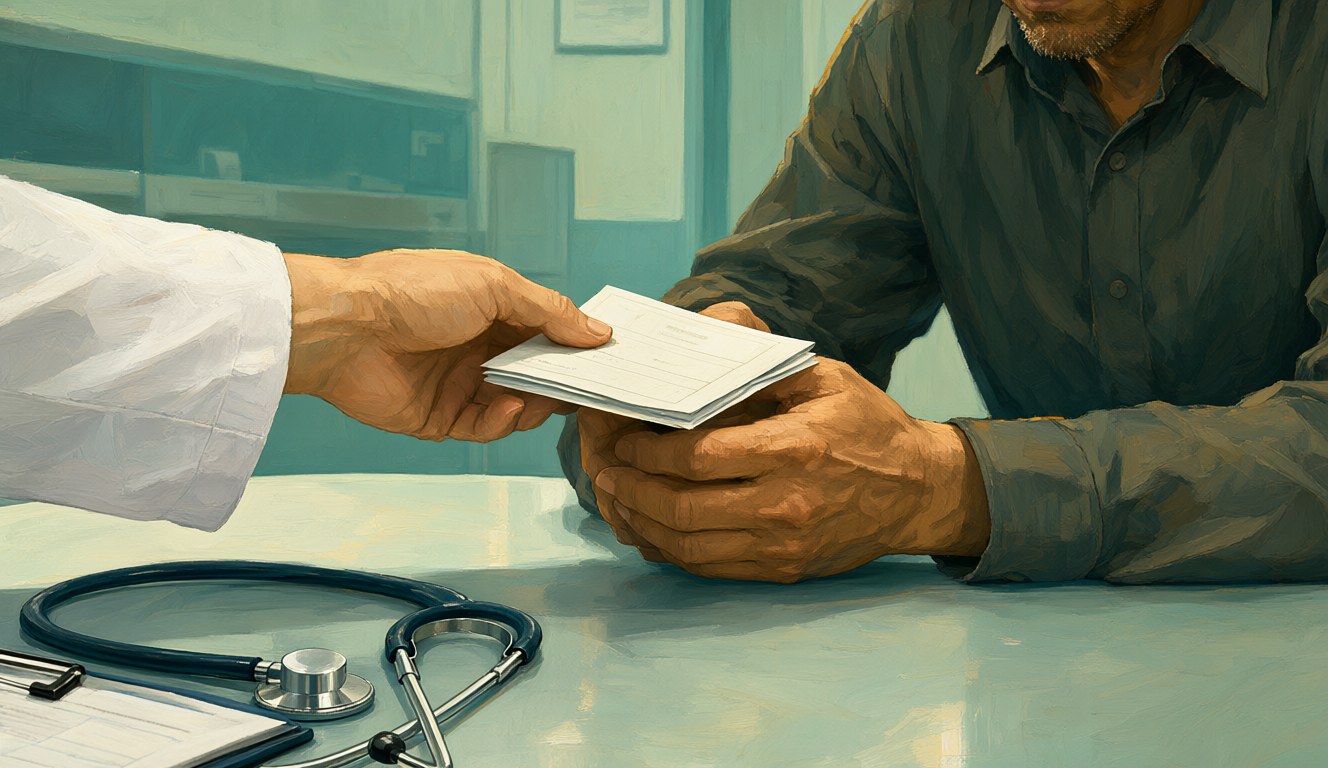
Yes, though it usually comes out of your sick leave. A few of my bosses here told me it's quite common in Australia. If you're really stressed and can't sleep, see a doctor and take leave.
In the companies I've worked for, sick leave with a doctor's certificate was always fine. If it wasn't that serious and you didn't have a certificate, you could take a few days of annual leave instead. Nobody chased you about it.
A quick fact check, because "stress leave" sounds like its own thing and it isn't. Under the National Employment Standards, full-time employees get 10 days of paid sick and carer's leave a year (part-time staff get a pro-rata amount). The Fair Work Ombudsman says you can use it when you're unfit for work because of a personal illness, and that includes stress. Your employer can ask for evidence, such as a medical certificate or a statutory declaration. Annual leave is your own leave, taken by agreement with your employer. Check your award or contract for the details.
So the system here does give you room to stop.
How do you balance responsibility with your own health?
You look at your own body and decide for yourself. Lots of people who talk about work say the same thing: at a certain point, you stop. You quit.
That isn't the same as being irresponsible. If a big deployment is a few days away and you walk off without finishing your part, that's a responsibility problem. I'm not talking about that.
I'm talking about the times you keep going long after your body has told you to stop. Only you can judge where that line is.
What does midlife teach you about putting yourself first?

That the most important thing is you. In midlife I've finally learned that, of all the things competing for your energy, you come first.
My friends tried to tell me this years ago. It took me until middle age to get it.
Does faith mean you have to carry every burden?
I'm a Christian, so this one matters to me. Many Christians talk about carrying the cross. Some people feel that enduring everything, gritting their teeth through it, is the admirable thing to do. Doing it for Jesus, for God.
But is it? I think this is very individual. The Bible doesn't give a guideline that says you must stay in every hard situation. I believe in the Holy Spirit's guidance. Your relationship with God is yours to work out.
I don't live under your bed. I can't see what's in your heart. So I won't tell you whether to stay or go. That's between you and God.
If you want more on this, I wrote about focusing on my own lane and leaving the rest to God earlier in this series.
So what actually helps?
For me it came down to a few plain things. Notice when something is affecting your emotions. Listen when more than one friend says you've gone too far. Use the leave you're entitled to. And remember the circle keeps turning without you.
Have you ever stepped back from something and felt lighter straight away? Or is there something you're still dragging on? I'd like to hear from you on the contact page.
More in the Midlife for Men series: What Every Middle-Aged Man Carries (But Won't Say) and Why Middle-Aged Men Feel Lost (And Why You're Not Alone). On work and leave in Queensland, see Brisbane Storm Day: No Signal 8, So Who Decides? For a quiet walk, try the UQ Lakes jacarandas gallery.
Sources (checked 1 November 2026): Fair Work Ombudsman, Sick and carer's leave and Notice and medical certificates. This is general information, not legal advice.
This is a personal reflection. The images were made locally with Qwen Image 2.1, and AI helped me edit the English.