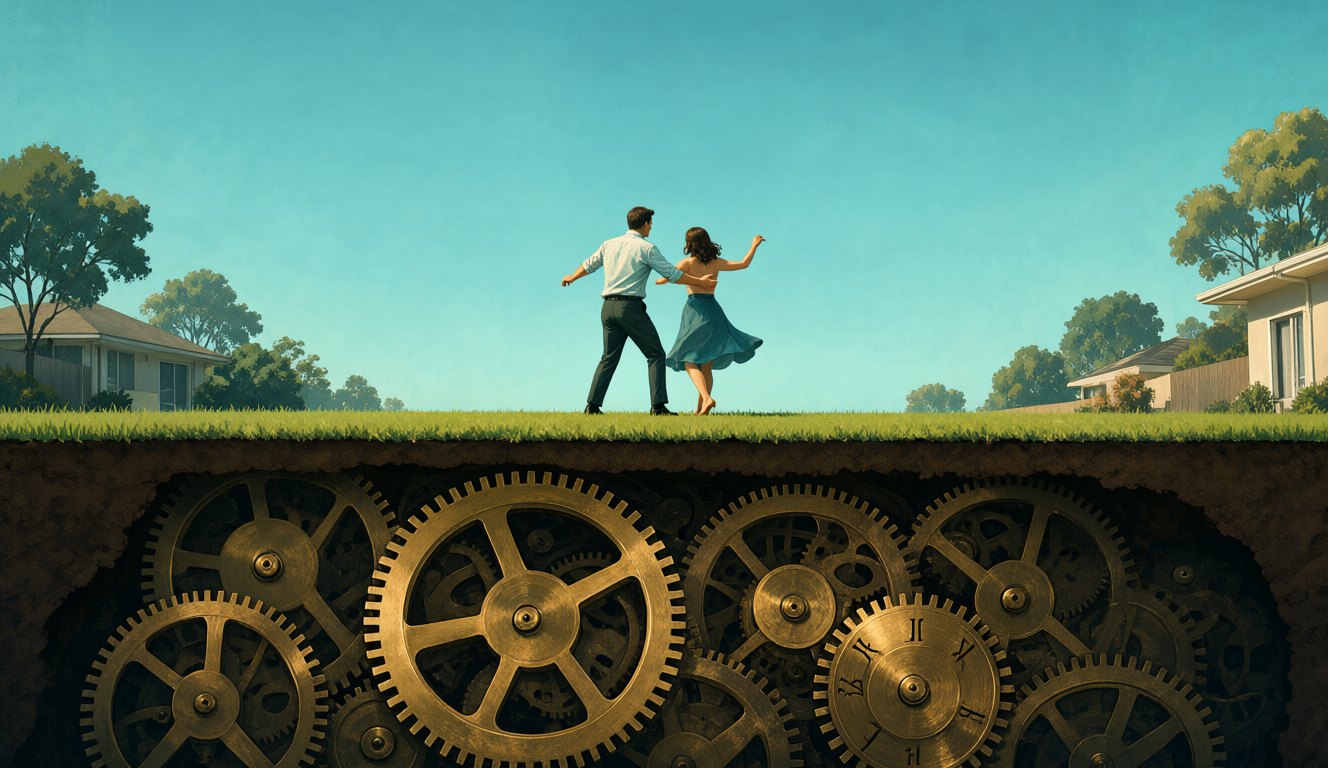
Raising children in Brisbane as first-generation migrants looks like a postcard from the outside, and some days it really is one. But under the blue sky there is a machine that never stops: two parents, no family nearby, a new language and a new set of rules, carrying everything on their own shoulders. It is not a fairy tale. What makes it home is the person dancing beside you.
Why Does Migrant Life in Brisbane Look Like a Postcard?
Because the parts people photograph are true. The sky here really is that blue. Friends back home look at the pictures and say time moves slowly in Australia, that life must be relaxed. When we came, I believed something similar. I thought that if we gave our children a patch of grass to run on, we would have given them something that lasts forever.
I still believe the grass matters. I am grateful for it. I just didn't understand what it costs to keep it green.
What Don't People See Under the Grass?
They don't see the gears. Under the lawn there is clockwork that has to keep turning every single day. Every sunrise starts a quiet long march: work, school runs, meals, homework, and back again tomorrow.
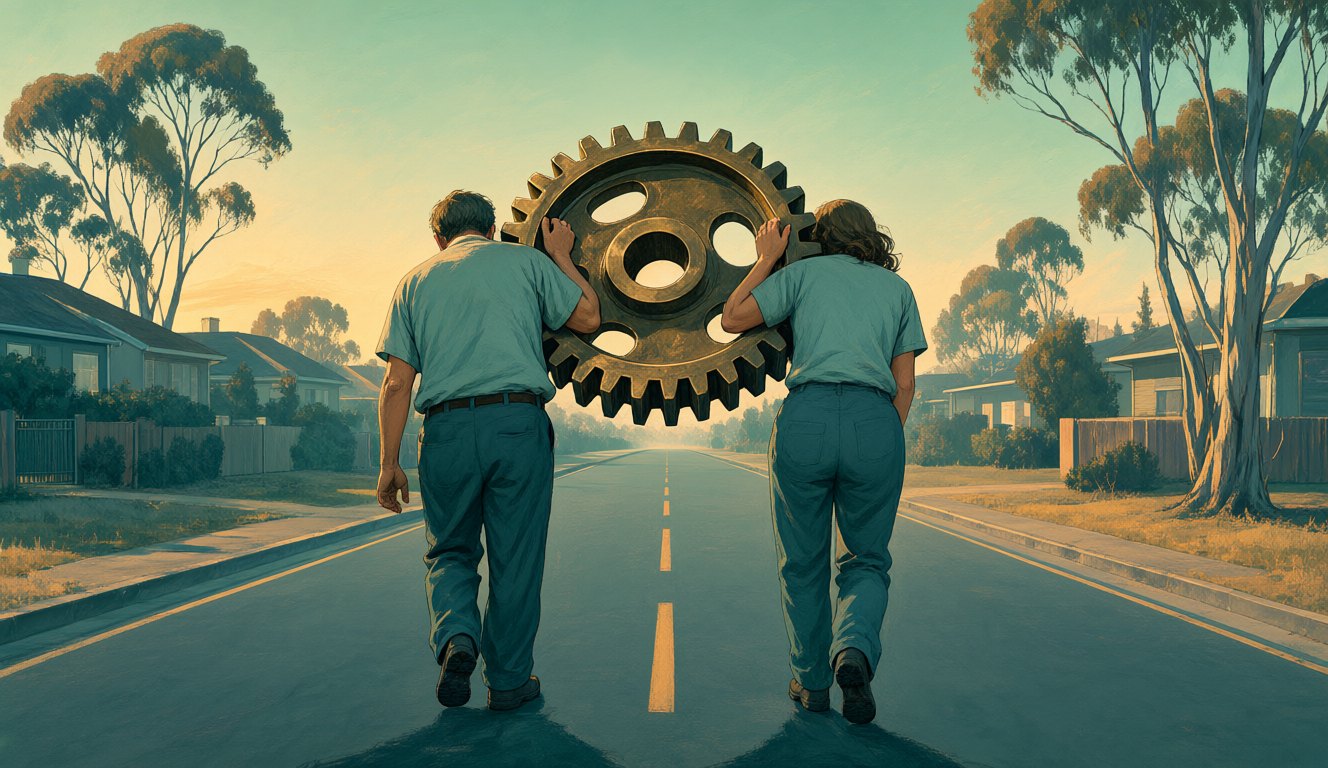
What makes it hard for first-generation migrants is that there is no back-up. Many families here have grandparents down the road, a sister who can pick the kids up, a friend from school days who drops off dinner. When you start again in a new country, you often have none of that. There is no one on your flank. There are only two pairs of shoulders, yours and your partner's, and you squeeze your family life into the gaps between working hours.
Nobody is to blame for this. It is simply the price of starting from zero, and most migrant parents I know pay it without complaining.
Is Family Life in Australia Really That Expensive?
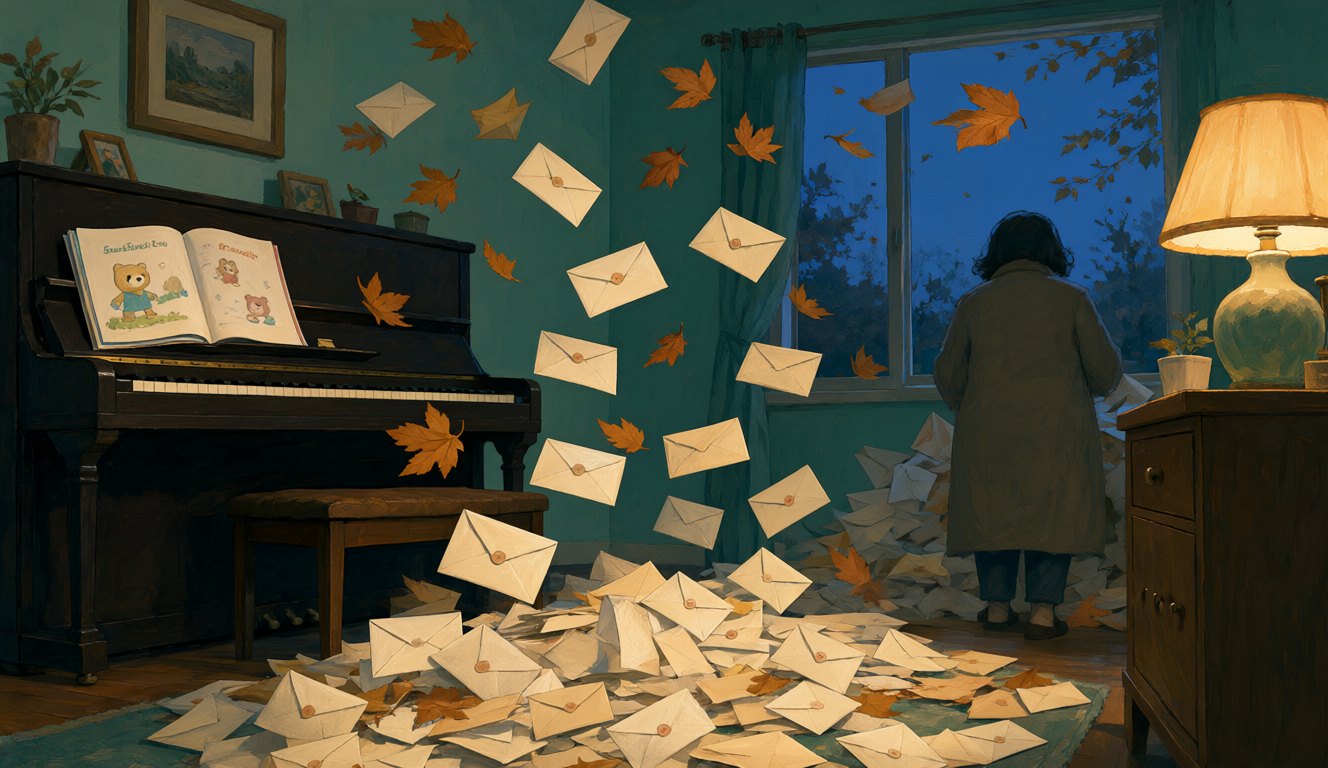
Life here is not just sitting in the sunshine. There are piano lessons to pay for and maths homework to check. Every month the bills arrive like autumn leaves, piling up faster than you can sweep them away. The country many people dream of is an expensive dream to live in, and most families quietly swallow that weight rather than talk about it.
If you want the numbers behind that feeling, I looked at them in CPI vs wages, 2019 to 2026 and in my piece on negative gearing and house prices. The figures say the same thing the bills say: the cost of a normal family life has been rising faster than many pay packets.
Why Does It Feel Like a Dance for Two?
Because it takes two people moving together, and nobody is watching. My song calls it a dance with no audience. There is no applause for getting the kids to school on time while both parents work, or for finally understanding a school letter. You just keep stepping, together.
It is also a dance in a foreign key. We are always looking for the right angle to join a conversation, the right words, the right tone. The wind is strong and our steps are heavy, but we can't let our children see that. Children should grow up feeling the sky, not the gears.
The line I keep coming back to is this one:
鬆開自尊 抓緊彼此 才能看清回家的路
Let go of pride, hold on to each other, and only then can you see the way home.
Letting go of pride is a big part of migrant life. Many of us had a career, a reputation and a social circle back home. Here we start again, and sometimes we have to ask, learn and be corrected like beginners. Holding on to each other is what makes that bearable.
Why Is It Hard to Belong as a First-Generation Migrant?
It is hard because so much is unspoken. In corridors at work and at school, people speak in subtext: jokes, hints and small social rules that locals learned as children. You can know the language and still miss what was really said. In their game, you are learning to write again from the first stroke.
I don't think anyone does this on purpose. Every culture has its own unwritten rules, and newcomers in Hong Kong or anywhere else would feel the same. But it is tiring. Home is a sea away, and on some days even breathing takes all your strength.
I wrote about a related feeling in Why the Same Culture Doesn't Make You Friends. Belonging is not only about where you come from.
So What Makes It Home?
For me, it is the quiet moment at the end of the day. The lights go off. The children are asleep. My partner rubs a sore shoulder and smiles at me.
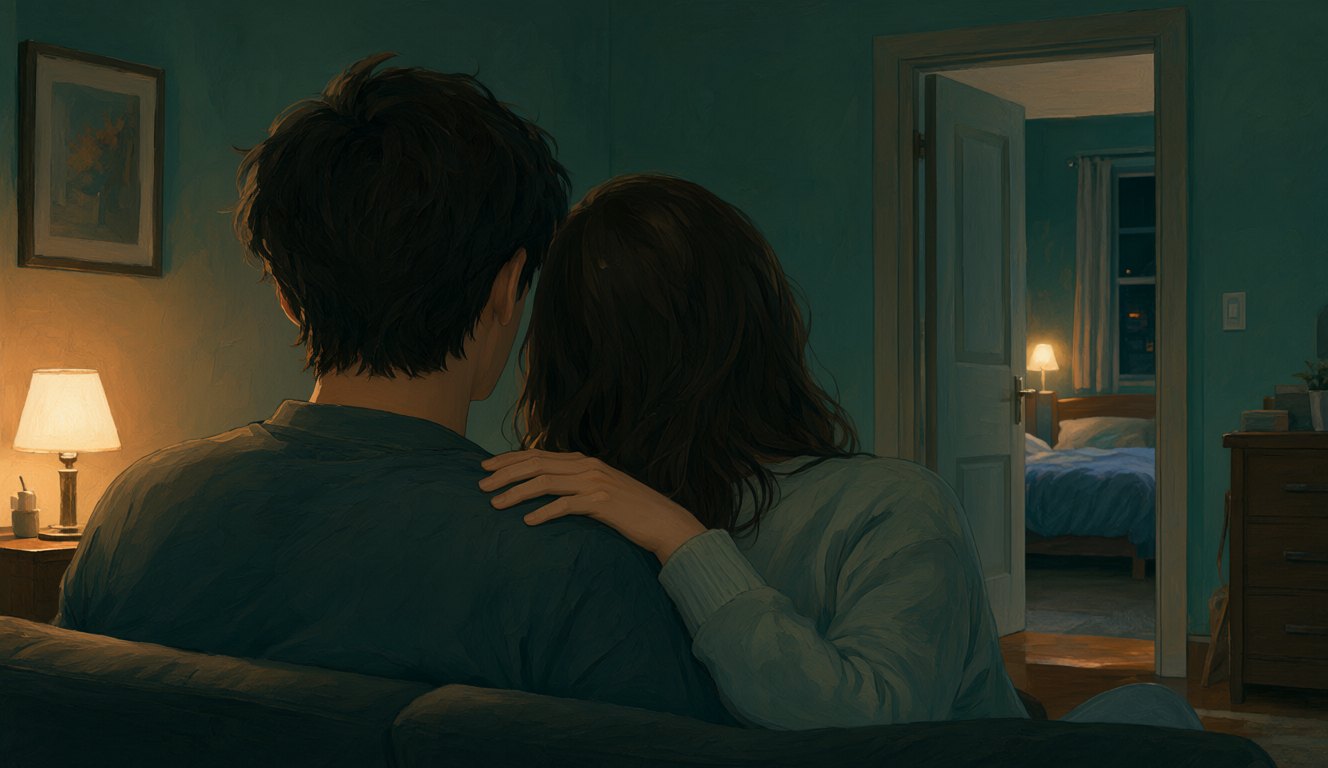
That smile does not pay a bill or explain a school rule. But it reminds me why we are doing this, and that we are doing it together.
If you are a migrant parent reading this, here is what I would say:
- The postcard and the gears are both real. Being grateful for this country and finding it hard are not opposites.
- Tell your partner what you see them carrying. In a dance with no audience, you are each other's only audience.
- Let go of some pride. Asking a teacher, a neighbour or a colleague is not failure. It is how you learn the rules.
- Keep the heavy part away from the kids, but not away from each other.
If your children are learning at home after a long day, my free Treasure Maths times tables game and Rocket Spelling game are small things I made to make homework time a little lighter.
The Song I Made About It: 雙人舞步
I couldn't fit all of this into an essay, so I made a song with Suno. 雙人舞步 (A Dance for Two) follows the same path: the postcard, the gears under the grass, the bills, the dance with no audience, and the quiet moment after the children fall asleep.
It starts straight away with a bright electric guitar and a clean driving beat, like a road opening up. The bass pushes forward through the bills and the piano lessons, then the chorus opens into wide, cinematic rock. At the end the drums fall away, leaving an echoing guitar and a warm piano:
燈熄了。孩子睡了。你揉揉肩膀,對我笑了。這不是童話,但有你,就是家。
The lights are out. The children are asleep. You rub your shoulder and smile at me. This is not a fairy tale, but with you, it is home.
Are you raising children far from where you grew up? I would like to hear what your dance looks like. You can reach me on the contact page, and if the song speaks to you, please save it on Spotify.
This is a personal reflection. The song was made with Suno, the images were made locally with Qwen Image 2.1, and AI helped me edit the English.