Is the Tokyo Subway 72-hour ticket worth it? From my own 12 days in Tokyo, my answer is yes, if you stay near a subway line and take three or more rides a day. At ¥2,000 for an adult, three rides a day is about where it pays for itself. The catch is what it doesn't cover: JR lines such as the Yamanote Line, and the part of a trip where a subway train runs on past the subway's border.
We spent 30 November to 11 December 2023 in Tokyo and got around mostly by subway. I live in Brisbane, where I rarely take a train, so the Tokyo subway was a big part of the trip for me. Every photo below is my own.
I also talked this through in Cantonese on my podcast. The video has English and Chinese subtitles, plus English and Mandarin audio tracks (⚙ Settings → Audio track).
What does the Tokyo Subway 72-hour ticket cover?
It covers every line of Tokyo's two subway companies, Tokyo Metro and Toei Subway, as many times as you like for 72 hours. The clock starts the first time you go through a gate, not on the day you buy it.
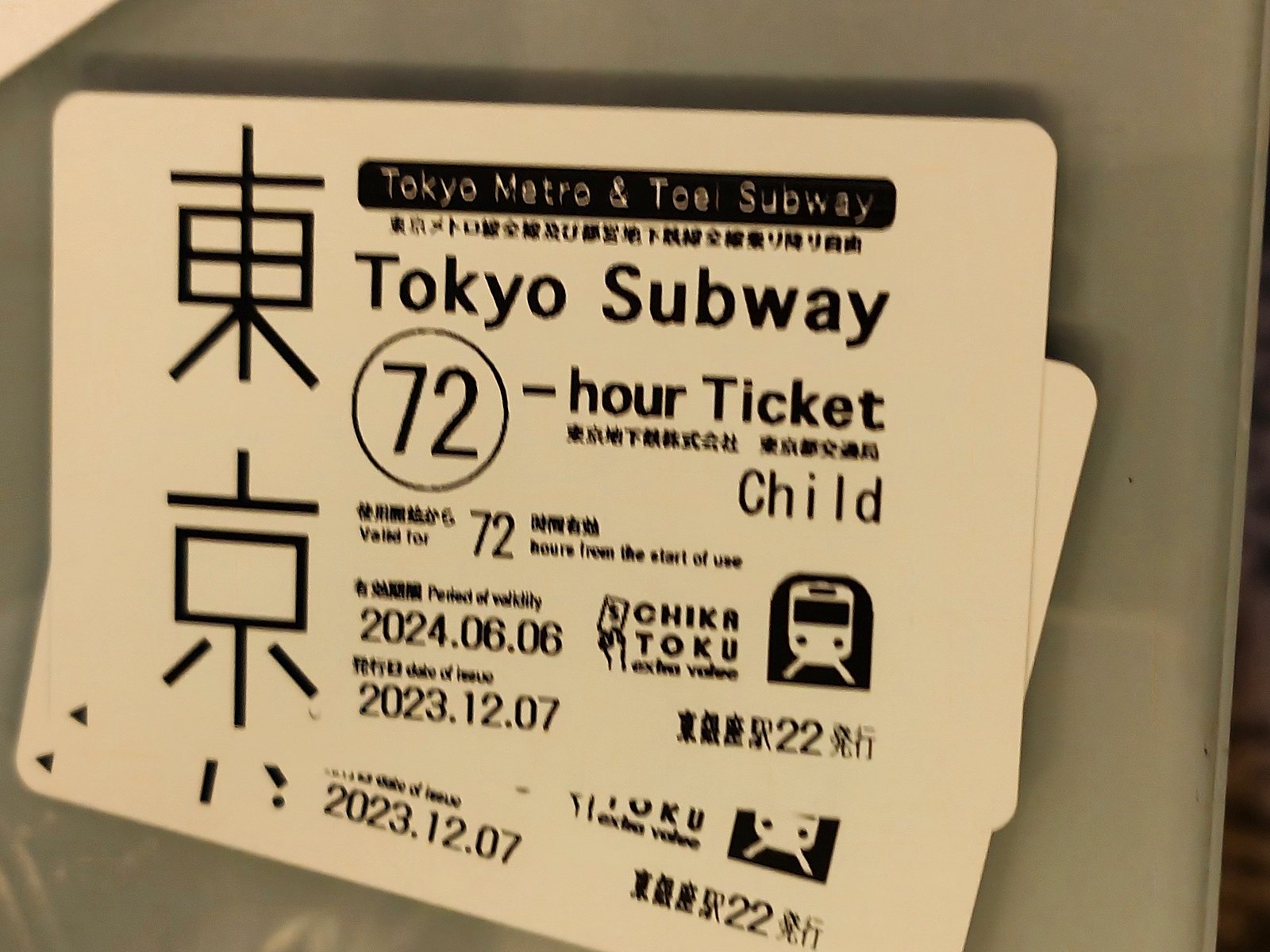
The ticket itself is simple: a white card with 東京, "Tokyo", printed big down the side. The one in my photo is the child version.
How much is the Tokyo Subway Ticket?
The official price for an adult 72-hour ticket is ¥2,000, and children pay half. There are also 24-hour and 48-hour versions. Older travel guides show lower prices, so check the official page before you go.
| Ticket | Adult | Child |
|---|---|---|
| 24 hours | ¥1,000 | ¥500 |
| 48 hours | ¥1,500 | ¥750 |
| 72 hours | ¥2,000 | ¥1,000 |
How do you use it?
It's a magnetic ticket. Feed it into the gate, walk through, and take it back as it pops out on the other side. Do the same when you leave.
One small tip: don't keep it pressed against your transit card in the same pocket or card holder, because magnetic tickets can stop working that way.
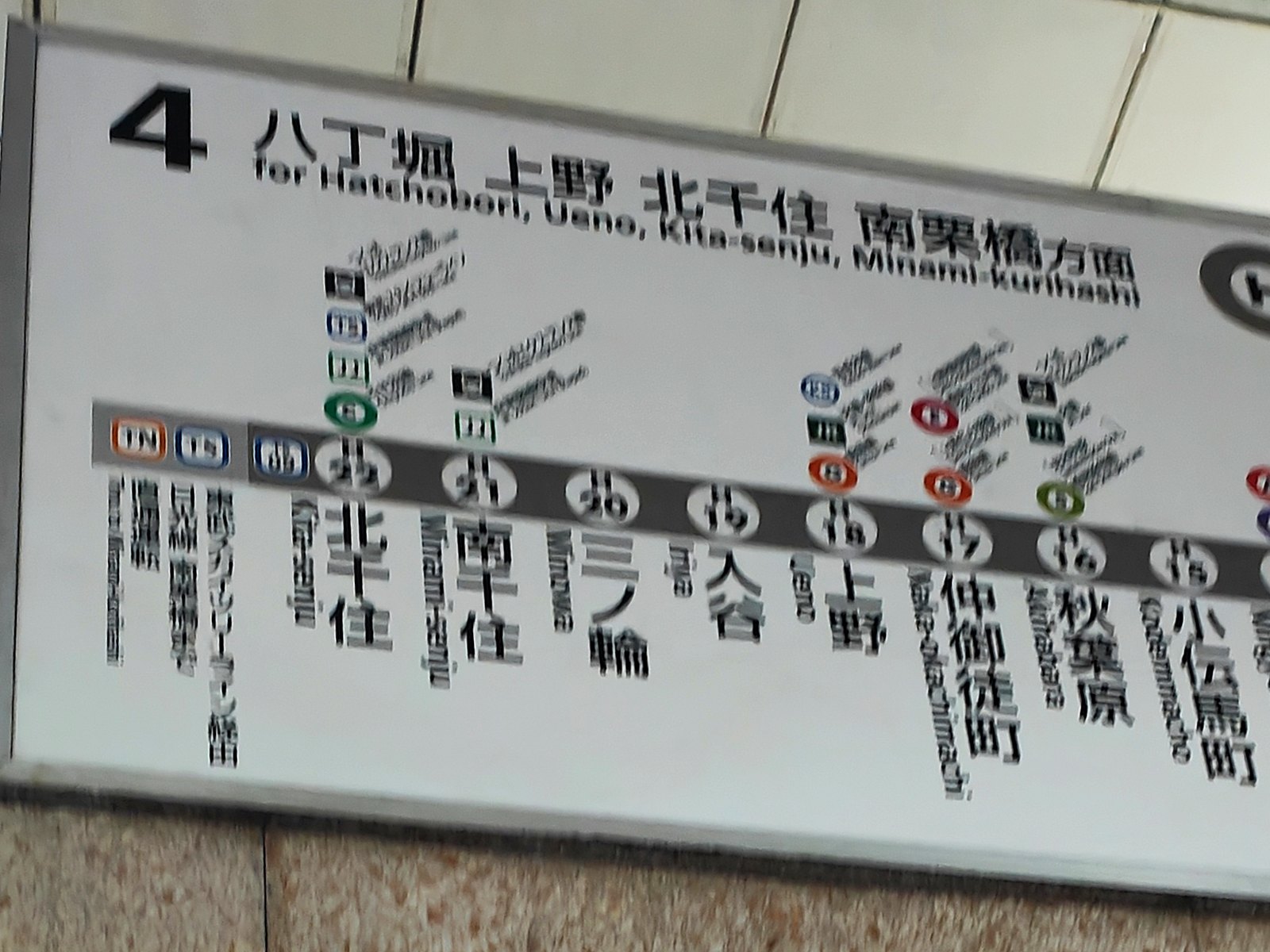
Finding your train is easy too. Every platform has a number, like this Platform 4, and the sign lists the stations in the direction it goes. Remember the line colour and the platform number and you'll be fine.
Is the Tokyo subway easy for tourists?
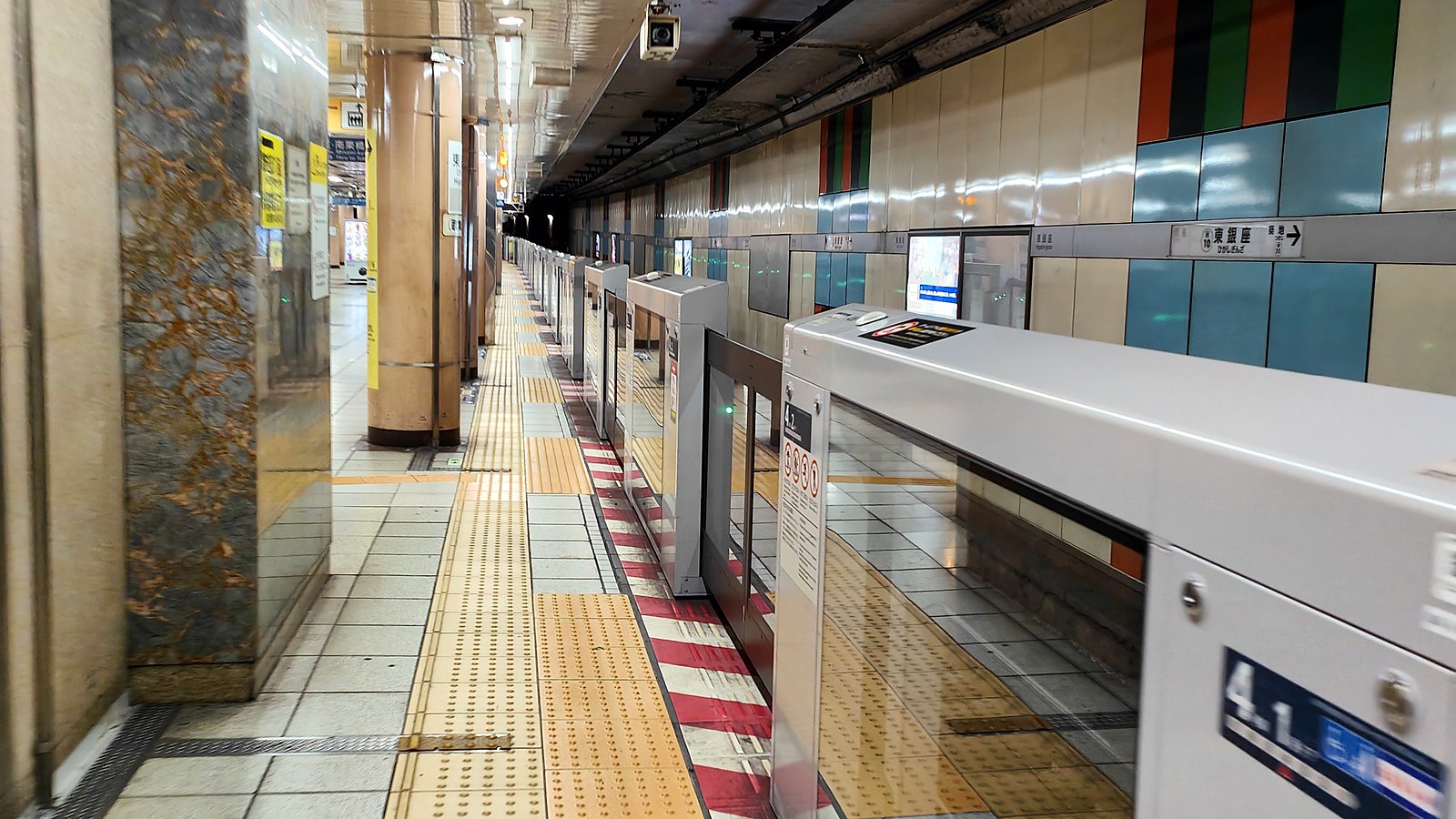
Mostly, yes. What surprised me most was how clean it is: bright platforms, and floors that look freshly mopped.
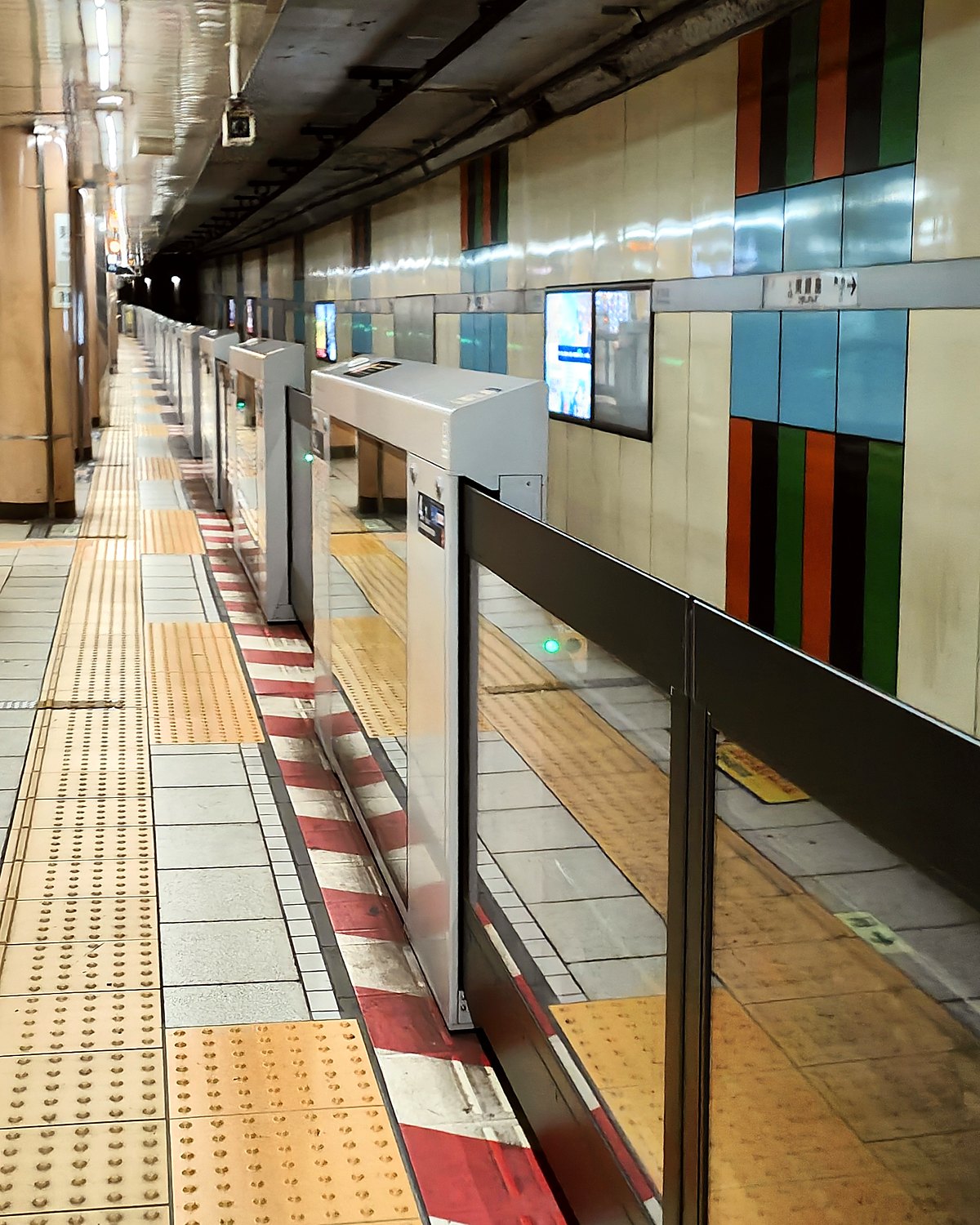
Many platforms have screen doors that only open once the train has stopped, which felt much safer with kids.
What is through-running, and why does it matter?
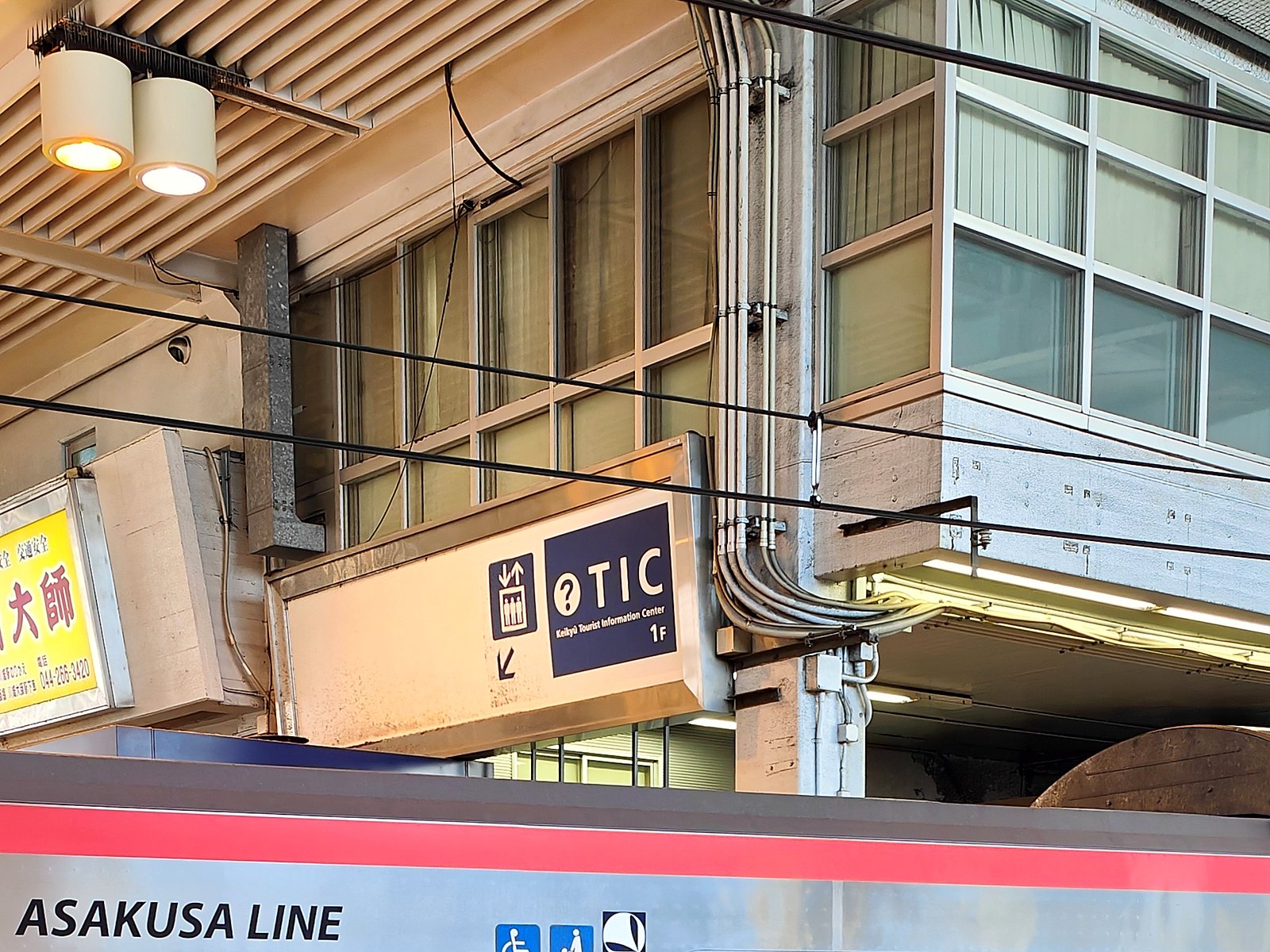
This is the one trap to know about. Some subway trains don't stop at the end of the subway line. They run straight on to another railway company's tracks, so you can stay in your seat and leave the subway without noticing.
The ticket only covers the subway part of that trip. Ride past the border and you pay the extra fare when you exit. The train in my photo is a good example: it's marked Asakusa Line, a Toei Subway line, but I took this photo at a station of another railway company. Before you board, check the destination shown on the front of the train.
Are subway transfers in Tokyo long?
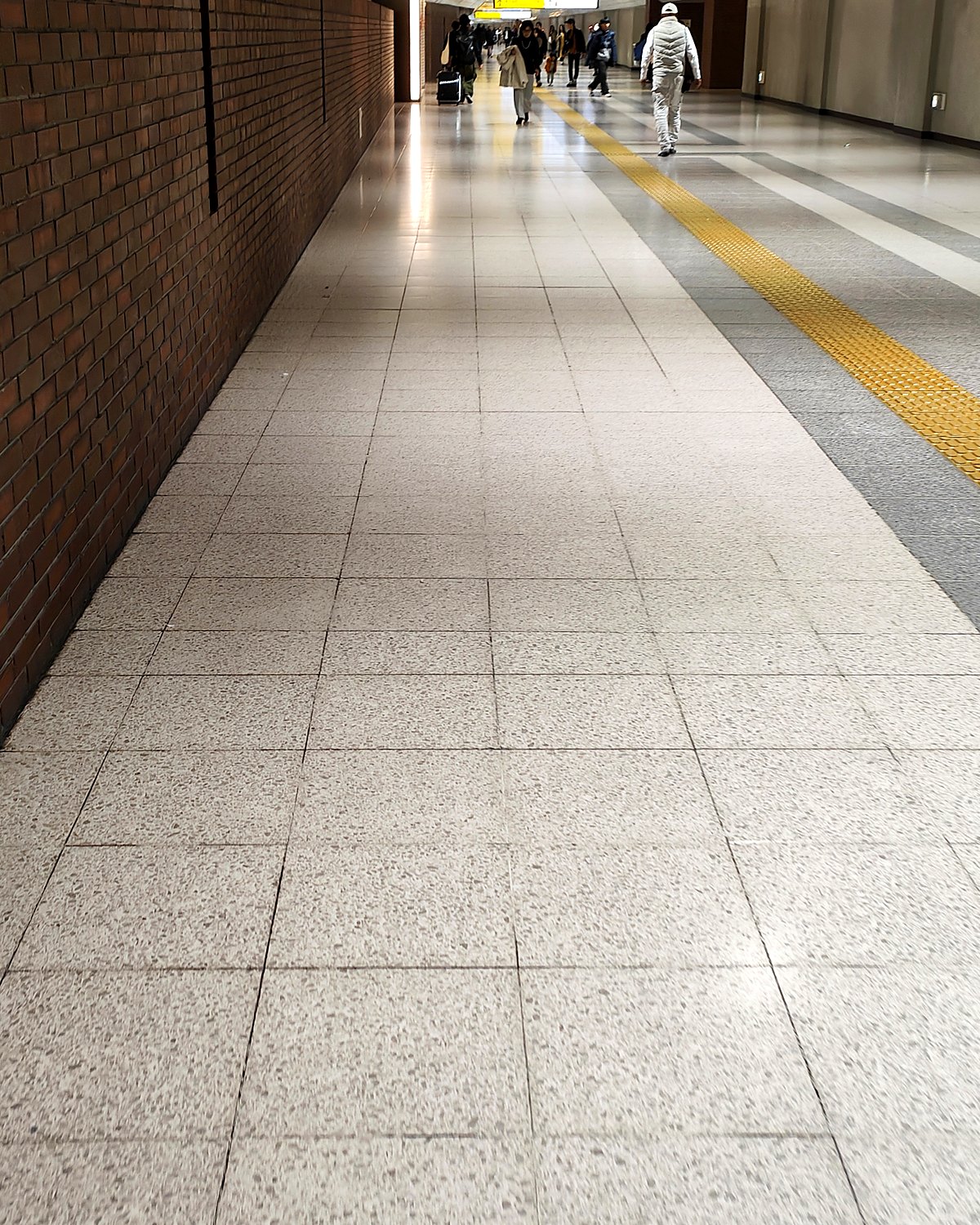
Sometimes, yes. Some stations are huge, and a transfer can mean a long walk down a corridor like this one that never seems to end.
What I learned: before you leave the hotel, check on your phone which exit you need and which carriage stops closest to it. It saves your legs.
What can you see in one day with the ticket?
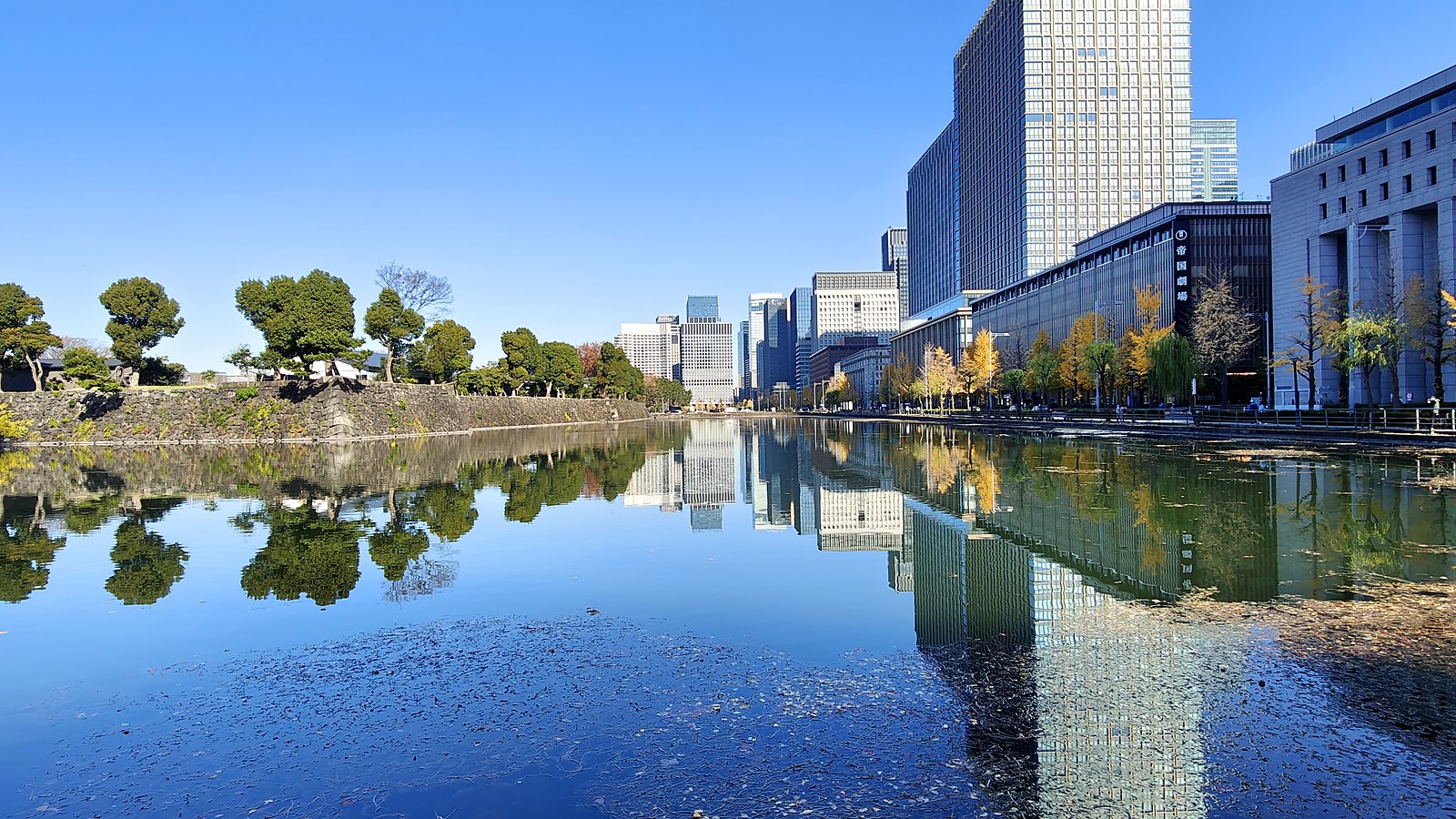
Here's one real day from my photos. I left a subway station at about 9:40 in the morning, and by 10:30 I was standing at the Imperial Palace moat.
It was a still, sunny morning, and the water was like a mirror. Old stone walls and pine trees on one side, glass office towers on the other. That mix is Tokyo to me.
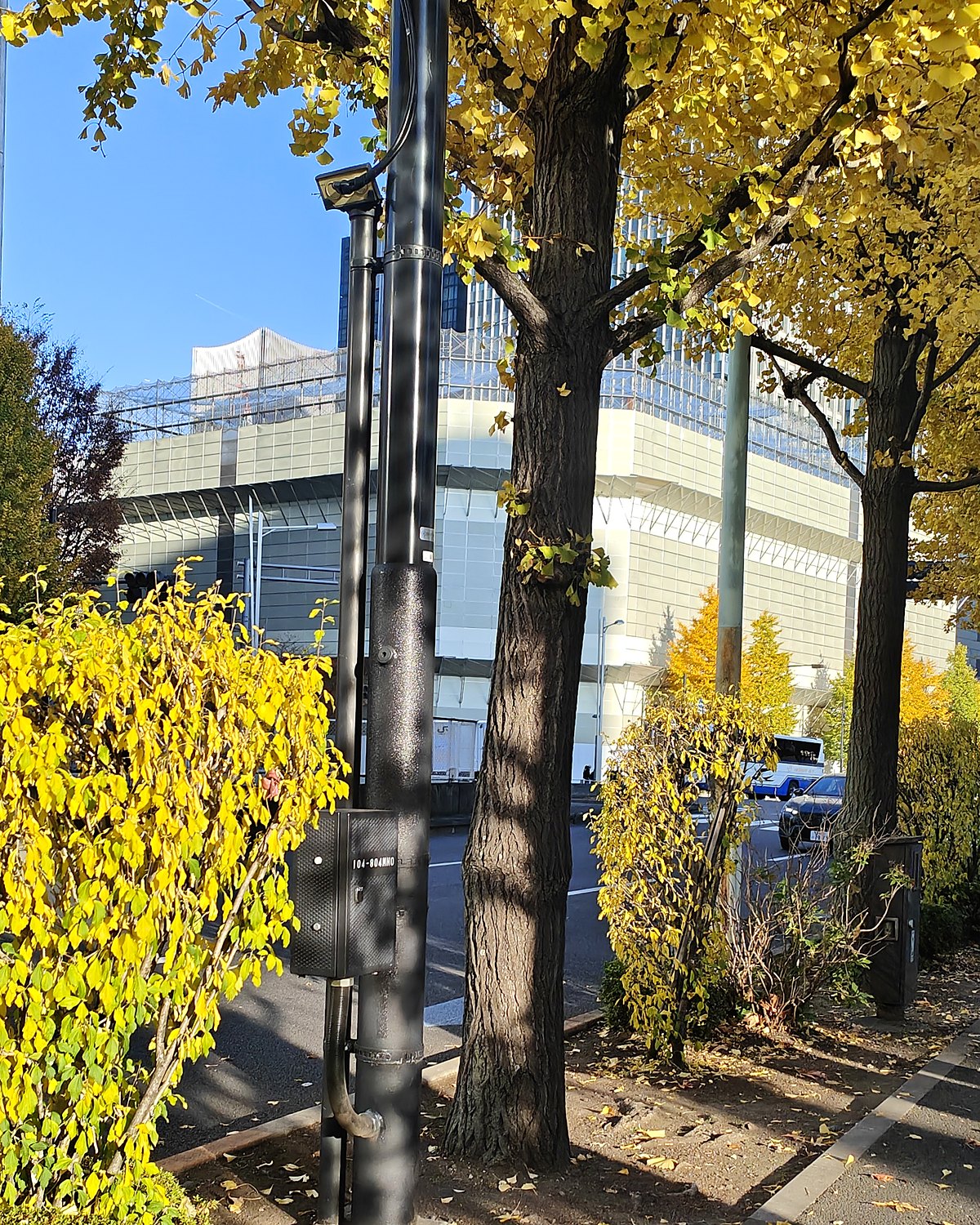
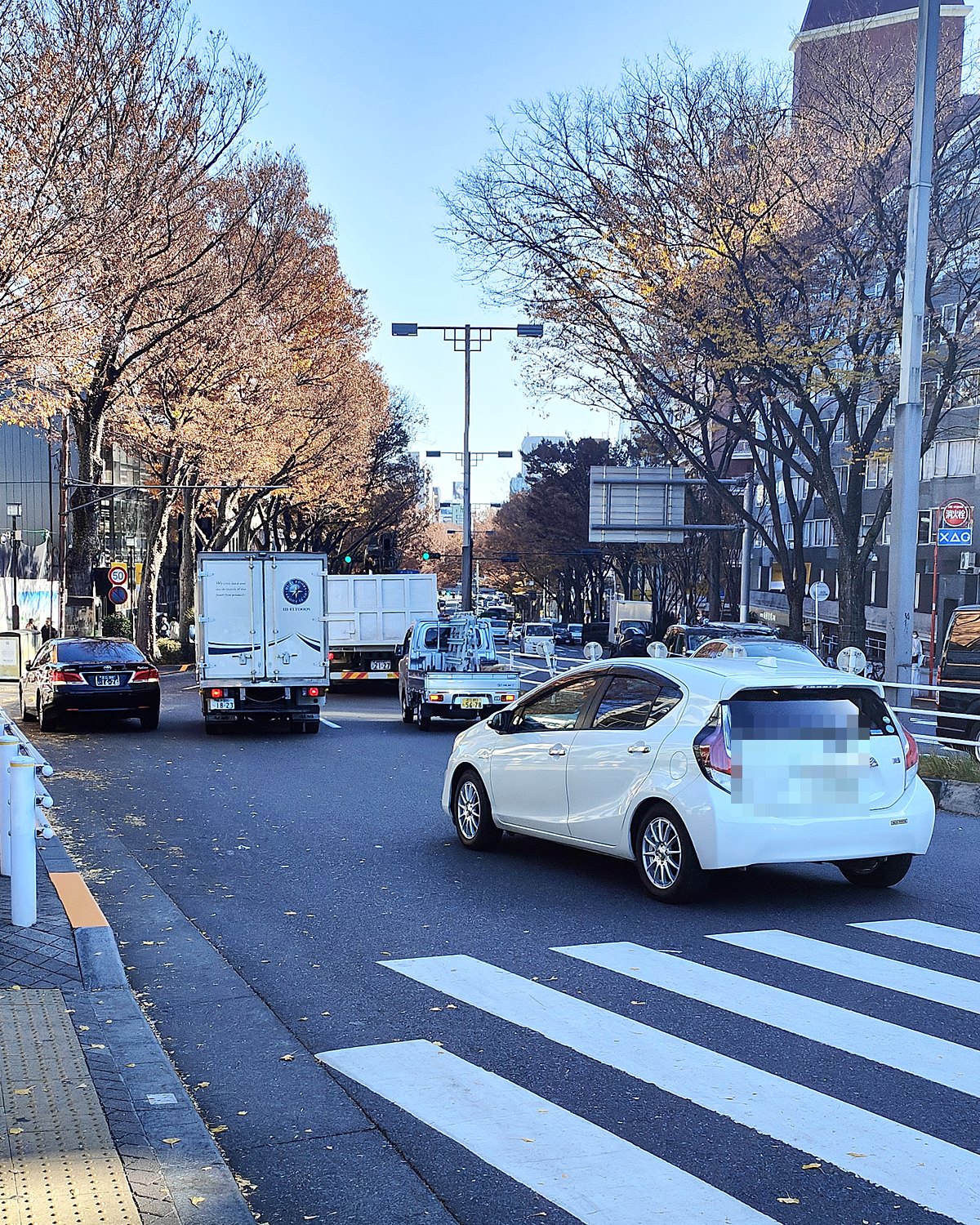
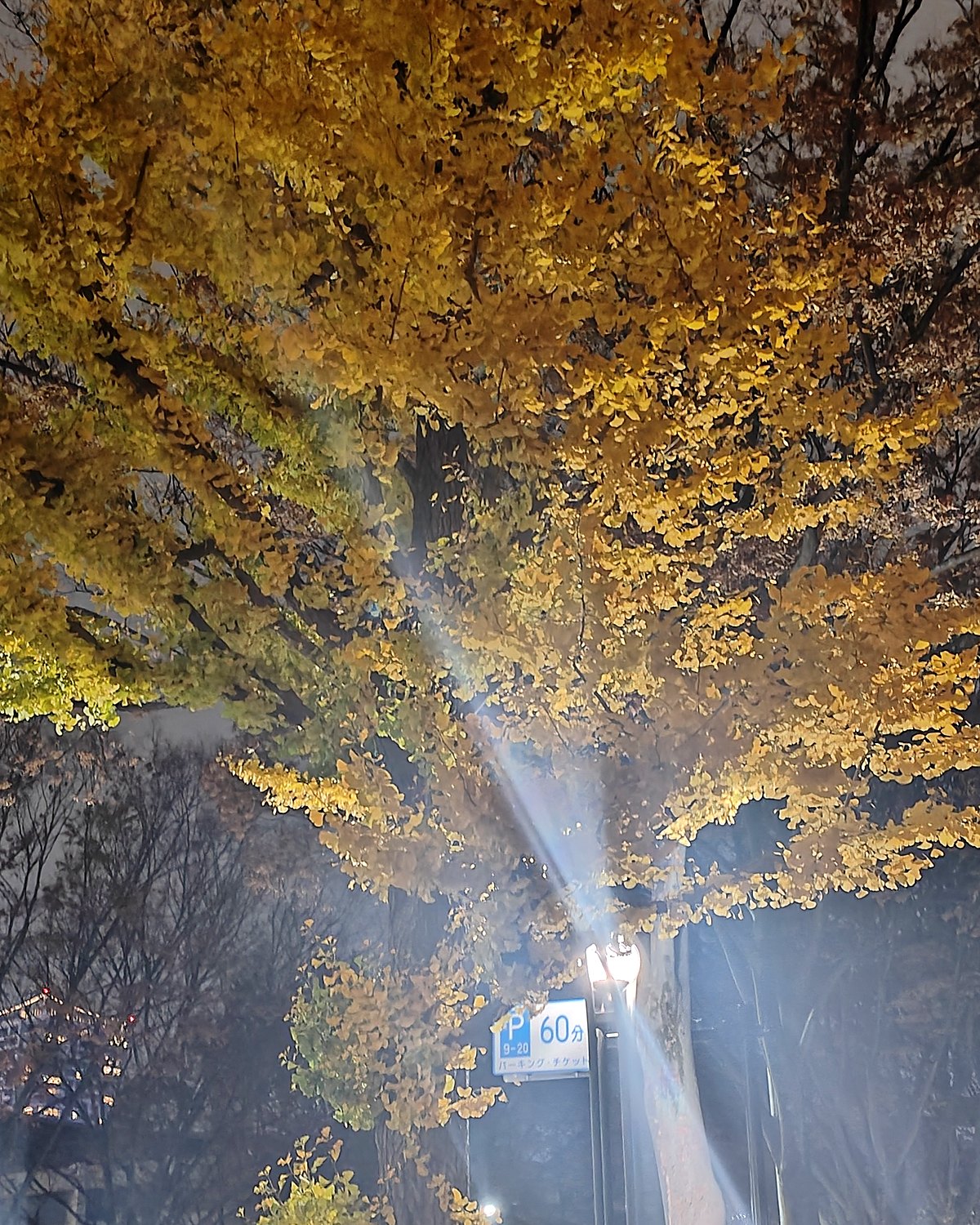
In the afternoon I was on a street lined with ginkgo trees. Even in December the leaves were still gold, and the footpath was covered in them. I rarely see a winter like that in Brisbane.
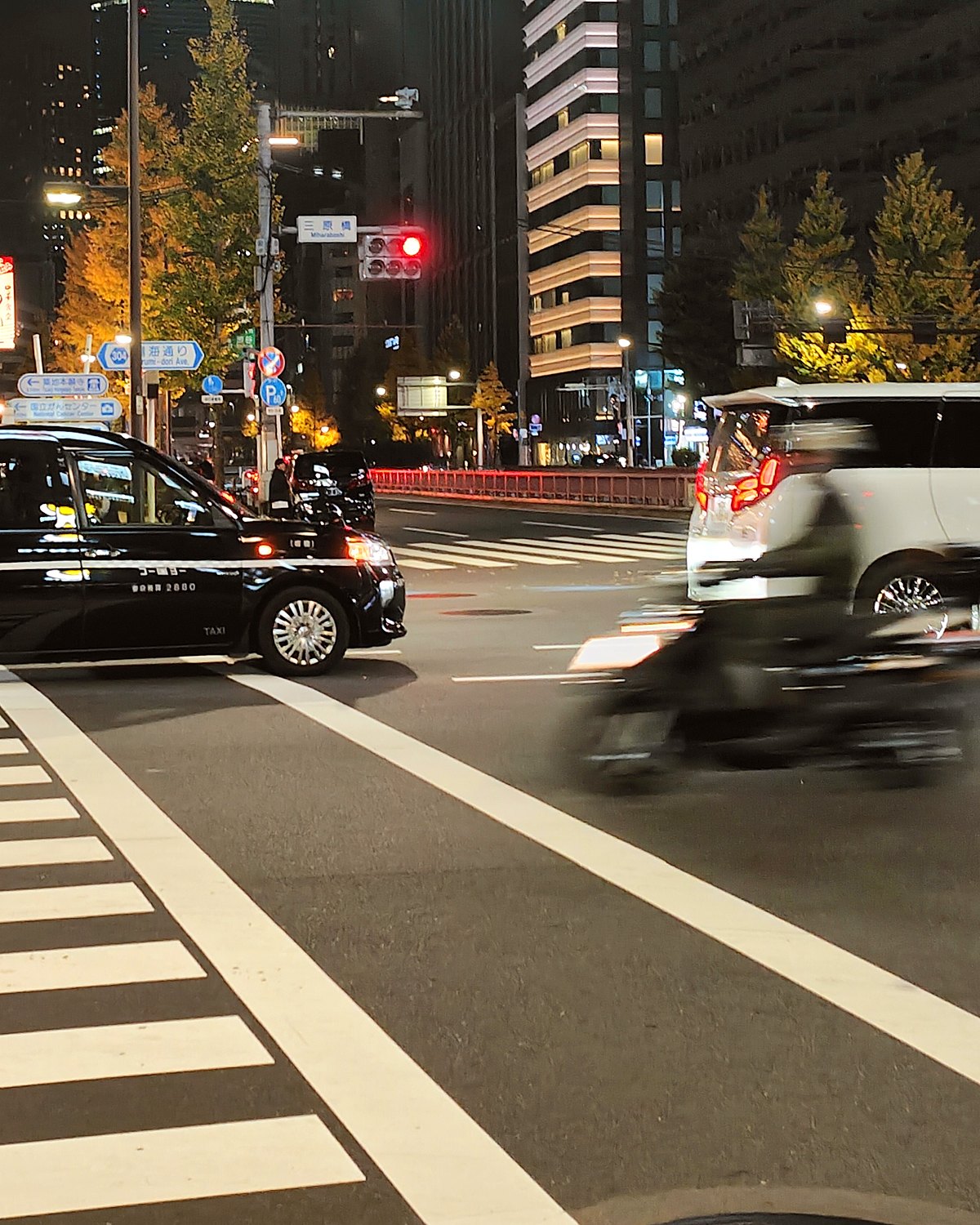
At night I came out onto a main road with the towers lit up and taxis rolling past. Morning to night, all on one ticket.
Why does an unlimited ticket change how you travel?
Because you stop asking whether a stop is worth getting off at. You just get off.
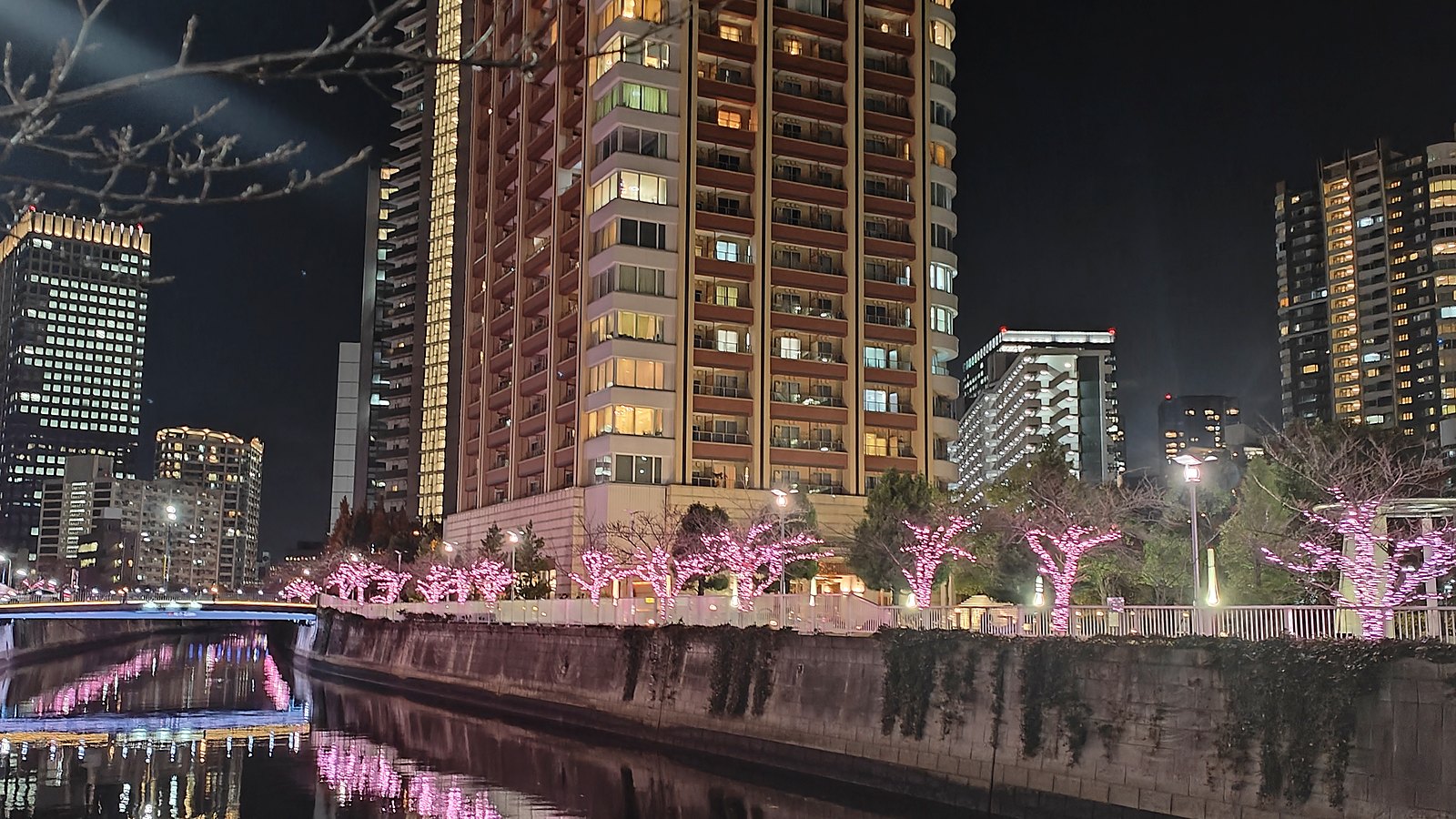
That's how I found a river lined with pink-lit trees one night, with a train crossing a bridge just above it. I stood there for ages.
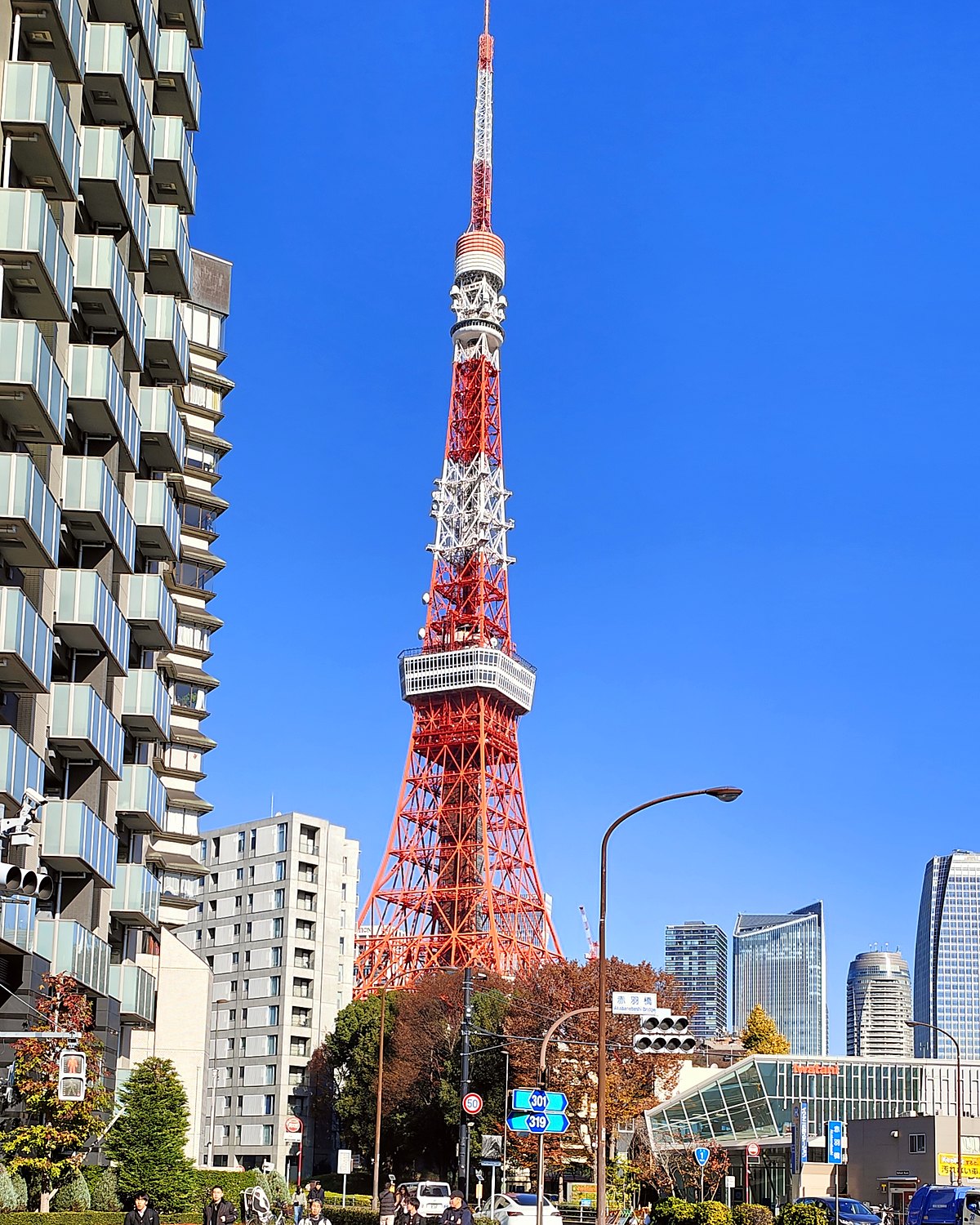
Another day I went to see Tokyo Tower on purpose: blue sky, the red-and-white tower, and a zebra crossing in front of it.
What I liked most, though, was just walking around after leaving a station. A December morning, bright sun, cold air, bare trees. The roads are wide and clean, and drivers usually stop and wait for you at the crossing. No sights at all, but for a moment it felt like I lived there.
Is Tokyo worth visiting in December?
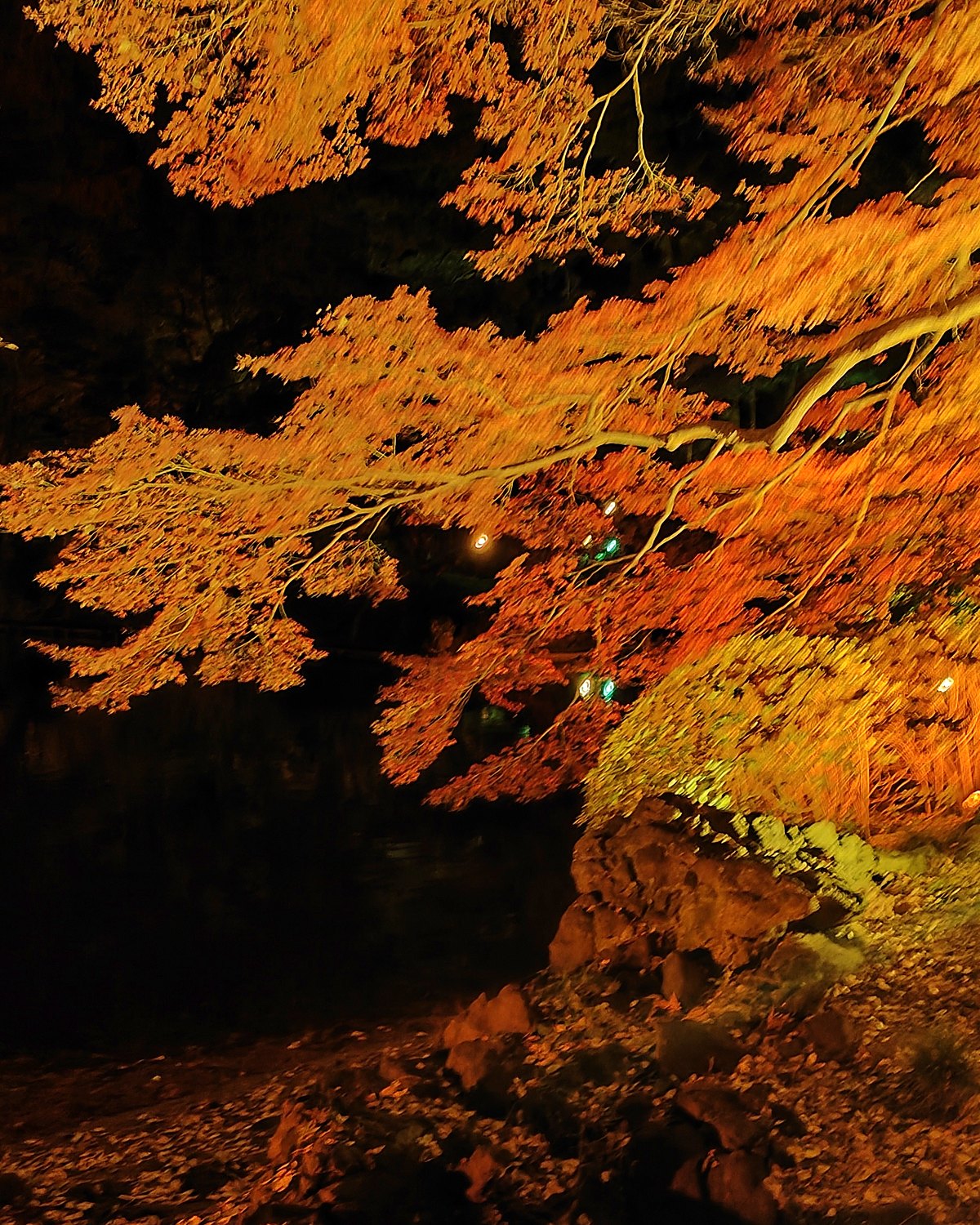
For the nights alone, yes. Many streets wrap their trees in twinkling lights, and some parks light up their red and yellow autumn leaves after dark, so it looks as if the whole forest is glowing. With an unlimited ticket, it's easy to go back out after dinner to see them.
So, is the 72-hour ticket worth it?
Here's the maths. One subway ride costs roughly ¥200 to ¥300. ¥2,000 over three days is about ¥670 a day, so three rides a day is about break-even, and anything more is a saving.
- Buy it if your hotel is near a subway station and you plan three or four rides a day.
- Skip it if you mostly use JR, such as the Yamanote Line, or you're heading to the airport. The ticket doesn't cover JR, so use a transit card or buy a separate ticket.
- Watch for through-running trains. Past the subway's border, you pay extra.
Two years on, what I remember isn't any one station. It's the freedom: one ticket, go anywhere.
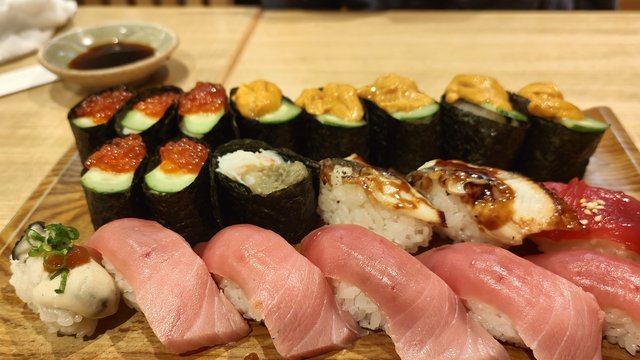
If you're planning meals for the same trip, read my 12 days of Tokyo food, from sushi to Royce, the first part of this Tokyo series. For more Tokyo at night, see my Shinjuku Gyoen at night photo gallery, and if you're weighing Japan against travel closer to home, read Is Australia worth visiting? Nature wins. Would you buy the subway ticket in Tokyo, or just use a transit card? I'd like to hear what worked for you.
All photos are my own, taken in Tokyo from 30 November to 11 December 2023, and edited for the web (cropped, levelled, one number plate blurred). Facts checked 5 November 2026: ticket coverage and current prices from Tokyo Metro's official ticket page. Prices change, so check that page before you travel. Single-ride fares are rounded. AI helped me edit the English.