
"Judge the issue, not the person." I agree with it, mostly. But at work in Brisbane, where the circle is small, it only goes so far. If someone keeps doing the same thing wrong, people will judge the person as well as the issue, and your track record follows you from job to job.
A friend asked me about this recently, and I talk it through in Cantonese on my podcast, with English subtitles and on-screen cards.
Everything here comes from working in Australia, and Brisbane in particular. The circle is small, so sometimes you really do need to be careful how you work.
Can you stay friends after one bad incident at work?
Yes, but it changes things a little. My friend asked whether one incident should stop you being friends with someone. My answer was that it does have some effect. Next time you meet, it's there in the background.
That doesn't mean cutting them off. It's not that serious. But if what happened showed me their values at work are quite different from mine, I'll keep a bit of distance. The friendship carries on, just not quite as close.
What does "judge the issue, not the person" actually mean?
It means the same action gets the same response, whoever does it. If one person does something and another person does the same thing, you handle them the same way.
I agree with that. The trouble starts after someone has already done something. From then on, do we really treat them exactly like a person whose background we know nothing about? If I hand a task to a newcomer, and the same task to someone with a history, is it really the same?
Is it unfair to check someone's work more closely?
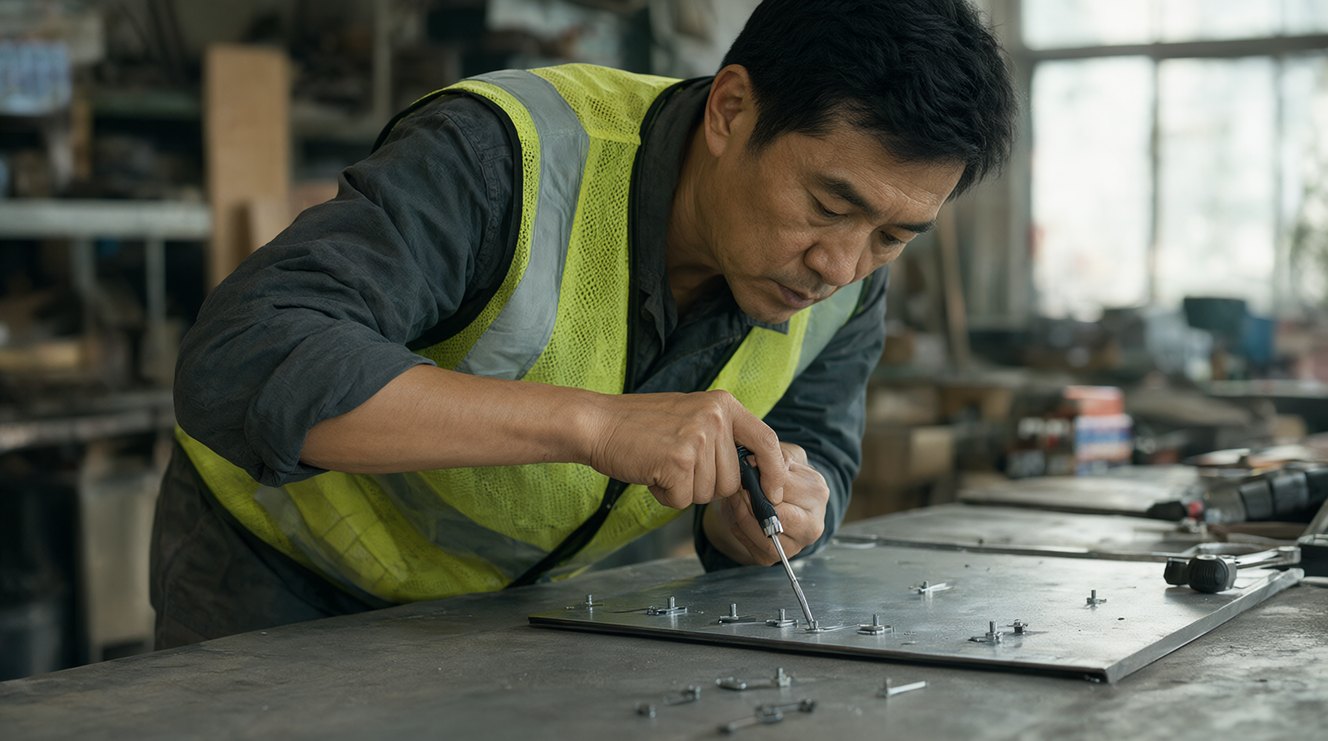
I don't think so. Say I know you never tighten the screws properly. You've always been like that. Of course I'll be more careful. Next time you do the screws, I'll check them a few more times. When someone else does the same job, I won't check as hard, and I won't tell them off as hard either.
So is that judging the issue, or judging the person? Honestly, it's both. People tell you off once the first time. If it keeps happening, they tell you off every time. There's an old Cantonese saying for that: a few harsh words are like cash in your pocket. If someone takes the time to tell you off, take something from it.
Does a good reputation protect you at work?
For a while. If your reputation is good, a mistake or two is forgiven. People know what you're normally like.
But say you do good work for ten years, and then one year you start doing bad things. You keep doing poor work and treating people badly, and it doesn't stop. It's persistent. You seem like a different person. That's when people say, "Of course I judge the issue, not the person," and then judge you anyway.
It turns into the person and the issue. People start asking, "So were you just pretending to be a good person for ten years, and now we're seeing the real you?" I think that question comes up whether it's fair or not.
Here's how I'd put it: people judge the issue the first time, and the person the tenth time.
Why does your track record matter so much in Brisbane?
Because the circle is small. In a smaller city, people know people, and your track record goes with you to the next job. So do good work and do your best, because it adds up.
Do employers in Australia really check references?

Yes, and I think reference checks matter a lot here. They're how a new employer finds out whether someone is actually good to work with.
When I once checked a reference, the colleague I called said, "Wow, you asked me a lot of questions." I said yes, sorry, and thanked them for their time. That's how thorough it can get.
So the other thing is simple: be nicer to your colleagues and do better work. Otherwise, when you change jobs, who will say good things about you? Finding a referee who will speak well of you can take a lot of time if you haven't built those relationships along the way. If you're looking for work right now, my post on job-hunting basics in the AI era covers the earlier steps.
How do you build goodwill with colleagues?
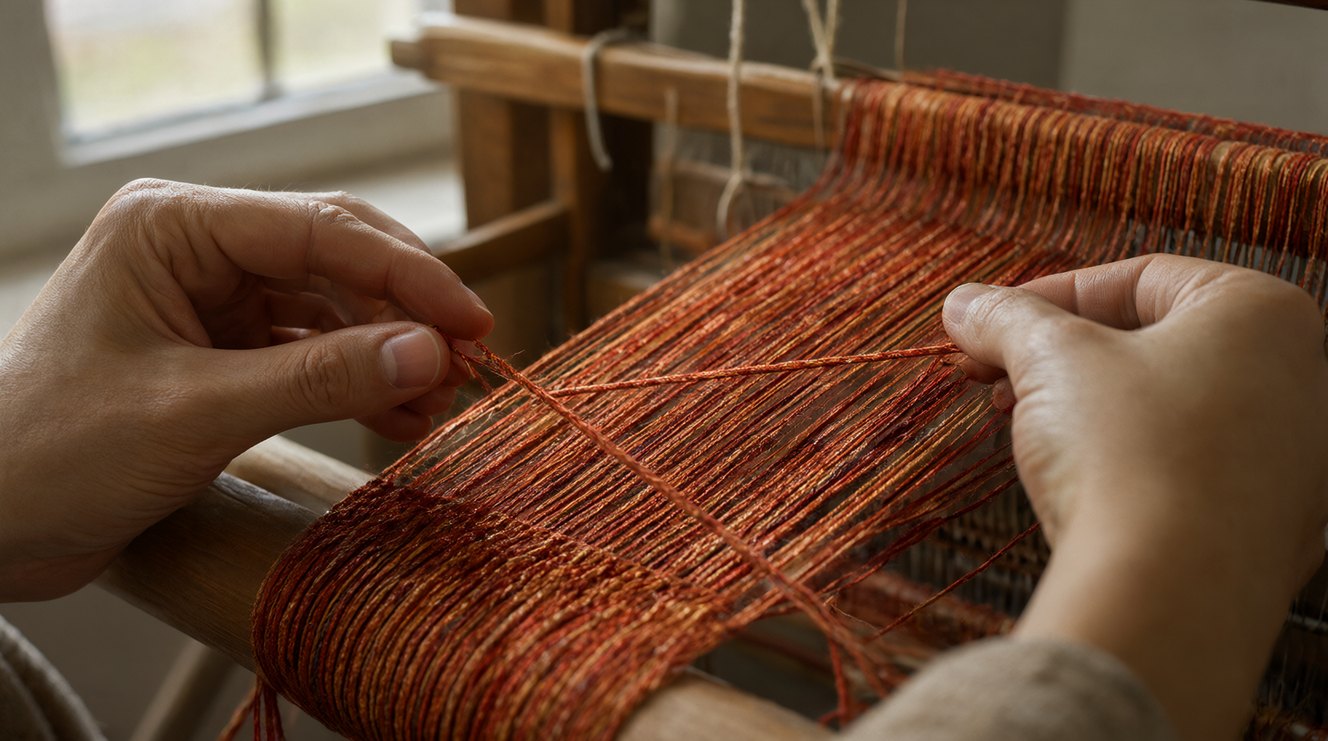
Slowly, day by day. Some friends tell me I sound like I'm complaining a lot. I tell them some things just build up over time: how you treat people, what kind of person you are. People will talk about it either way.
It's about how far you push things. If you always do the bare minimum for others, at some point someone will say, "You've crossed the line. I won't help you with anything. Your work is your job." But how hard is it to help someone a little? That's up to you, and it's hard to teach, because everyone's values are different. Goodwill between colleagues is woven together, a thread at a time.
It ties in with what I wrote about company culture: values are lived, not spoken. A company's values show in how people treat each other, and so do yours.
Am I just a grumpy old-timer?
Maybe a little. Listening back to my own recording, it sounded a bit heavy, like a grumpy old-timer with a grudge. I don't really want to be that person. But maybe that's why I make podcasts: the grumbles need to come out somewhere.
Do you think "judge the issue, not the person" really works in your workplace? Have you ever been judged for who you are rather than what you did? Tell me, or leave a comment under the video.
For more on working life here, read why December is so strange at work in Australia.
This is a personal reflection from working in Brisbane, not HR or legal advice. All people in the images and video are AI-generated: the images are stills I made locally with Qwen Image 2.1 for the video, and AI helped me edit the English.