Should you use AI to write your cover letter? Use it to fix your grammar, but don't let it write the whole thing. Recruiters read hundreds of letters, and the AI ones all sound the same. That's one of four things I'd sort out before applying for an IT job. The others are your online presence, your email address and your LinkedIn photo. The employer may well look you up before they read your CV properly.
This is part 2 of my job-hunting series. I talked it through in Cantonese on my podcast, with English and Chinese subtitles.
Why is job hunting harder right now?
Because December is a bad month to look, and the economy isn't helping. A lot of my friends are looking for work at the moment. On Sunday I was talking with one who came to Australia about seven years ago. He said, "Wow, it's so different now." Back then rates were lower and things weren't as expensive. Now everything costs more and the economy feels slow.
I wrote about why so little happens at work in December in my post on the Christmas shutdown. If you're applying now, it's even more important to get the basics right. Everything below comes from my own experience in IT. I don't know enough about other industries to say.
Do employers Google job candidates?
Some do, and now they ask AI about you as well. It's very easy. Someone types your name into Google, or asks an AI assistant who you are, and looks at whatever profiles and websites come up.
So clean up your social media before you apply. Those weird old posts, please. Once something is online it can stay there forever, so be careful. And don't build an odd website under your real name. People take one look and decide you're a strange person.
How careful do you need to be on social media?
Not very, as long as you avoid the extremes. Australia is pretty open. Being yourself is fine, and nobody minds your hobbies or opinions. The problems are things that are really bizarre or aggressive. That's when an employer starts to think twice.
Does your email address matter for a job application?
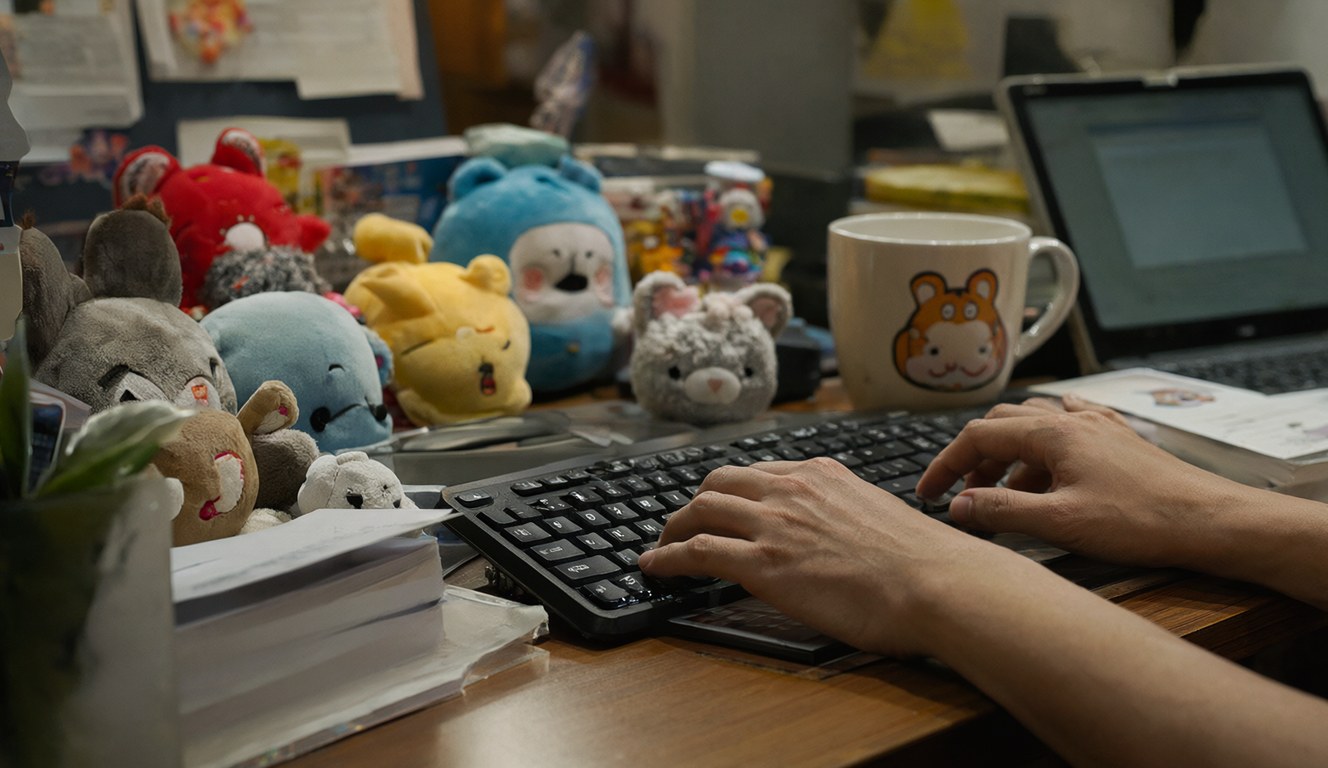
Yes, more than people think. Years ago, when someone was teaching me about interviews, this came up: people applying with an email address that was basically a cartoon character's name. Don't do that. The person reading it thinks, "You're not very serious, are you?" It hurts most if you're a fresh grad, because the employer has little else to go on.
For someone like me, who has worked for a long time, it matters less. People already know me. If I used Doraemon as my email name, it might just become part of my character. But if you're starting out, use your real name. Something like firstname.lastname is normal and easy to recognise.
Do you need a professional LinkedIn photo?
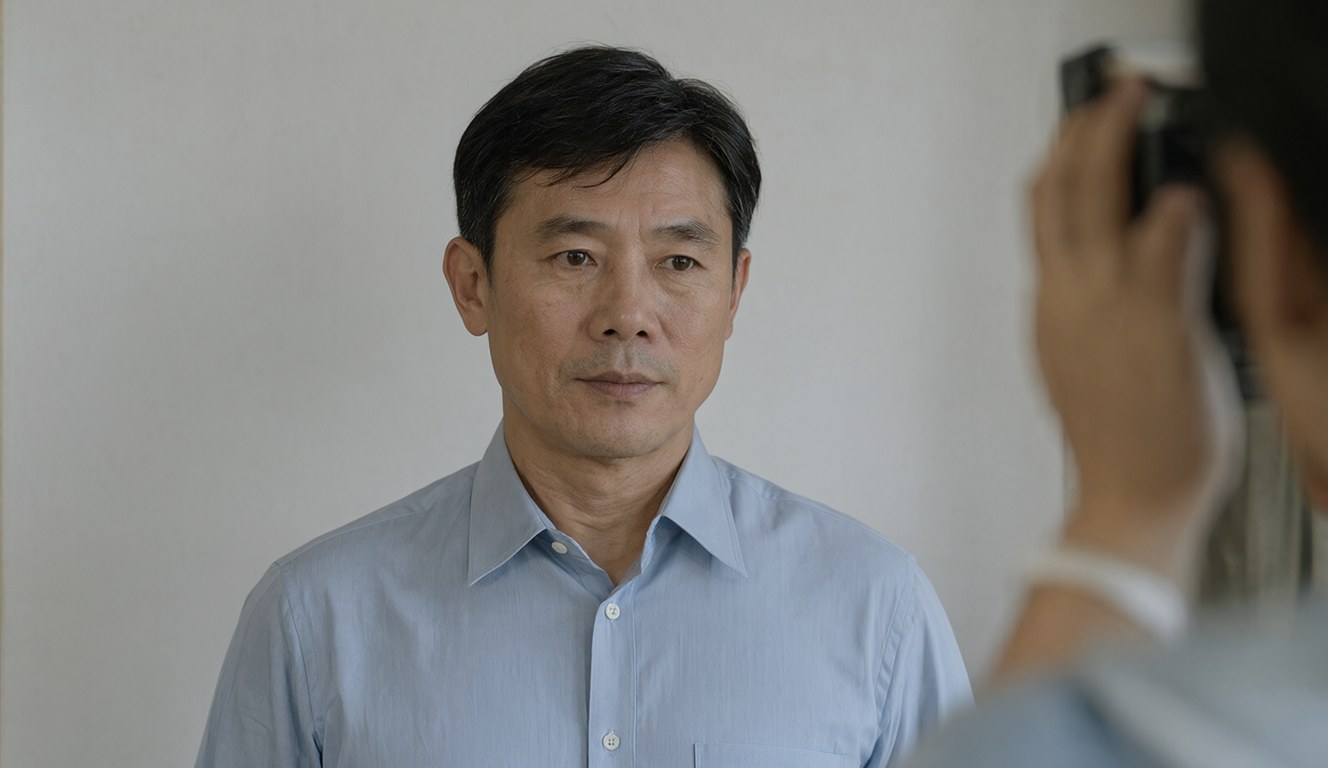
No. A simple, slightly formal photo is enough. Set up your LinkedIn profile first, and then sort out the rest of your social media.
LinkedIn photos have become a small business. Once in Hong Kong I went to the Mong Kok Computer Centre, and a shop that used to sell cameras had a sign up offering professional LinkedIn headshots. You don't need to be that nervous about it. Stand against a white wall, put on a collared shirt and get someone to take the photo. That's already OK. If a past employer gave you a professional photo, just use that.
Should you send the same CV to every job?
No. When a recruitment agent helped me fix my CV years ago, they told me you can't take one generic, non-customised CV and send it to every job. At least have a few versions for the different areas you're applying in. And these days, ideally every job gets its own cover letter.
Some people now use an AI agent to do all of it. It scans the job ads, customises the CV and sends the applications for them. But friends of mine who work as recruitment agents (job agents, not AI agents) say it's better to polish things yourself. Tidy up the wording so it doesn't sound artificial.
Can recruiters tell when AI wrote your cover letter?
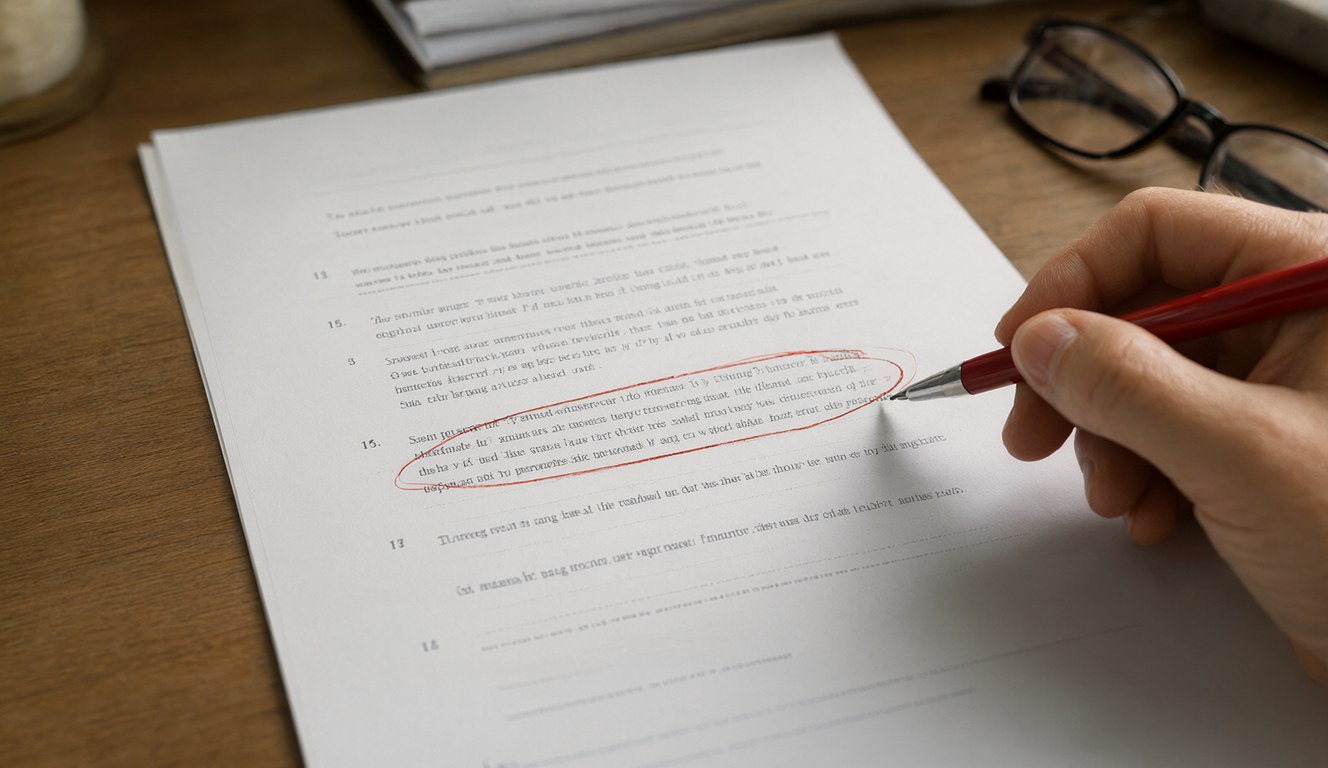
Often, yes. The giveaway used to be the opening line. "I hope this email finds you well" was everywhere. It seems less common now, but plenty of AI phrasing still stands out. I had a few letters that AI generated for me, and I changed them as soon as I read them.
I prefer what I learned in high school: "I'm writing to apply for…" Then add a short paragraph on why you actually like that company. It's simple, but it sounds like a person.
The reason recruiters notice is volume. They don't read one letter, they read hundreds. When they all sound the same, you know they came from AI.
How much AI is OK in a job application?
Light use is fine. I like grammar tools that fix my spelling and grammar, and that's OK. The problem is that these tools now do much more than grammar. They'll offer to write the whole letter for you, and I think that tastes artificial. Use AI to check your English. Write the letter yourself.
What's next in the job-hunting series?
Next time I'll share my interview tips. I'm not an expert at job hunting, honestly. I've just worked for a few decades, been through several layoffs and periods without work, and seen how people hire. Take it as one person's experience.
If you missed part 1, it covers why IT employers now expect a GitHub portfolio. If you're still deciding whether to study IT at all, see whether IT degrees still matter.
Do you use AI for your cover letters? How much? Tell me in the YouTube comments.
Written 17 November 2026. These are my own views from working in IT in Brisbane, not a survey or professional careers advice. The images were made locally with Qwen Image 2.1, and AI helped me edit the English.