Right now, the global AI scene is changing in a big way, and this time it's not happening in Silicon Valley. Xiaomi's new MiMo V2.6, especially the Pro and Flash versions, has done more than just lower the barrier to entry—it has completely changed it.
For tech fans, developers, and power users, the numbers are revealing a surprising new reality.
The MiMo V2.6 Advantage: Unshackled and Highly Affordable. In the past, using top AI models meant paying $20 a month and dealing with annoying limits, like fixed 4-hour usage windows or strict weekly message caps.
Xiaomi has changed things completely. Their powerful model costs much less than competitors like Gemini Flash. For about $6 USD a month, either by subscription or tokens, you can send many queries through MiMo V2.6. You use tokens as you like, so you avoid the usual time limits and caps found on most web platforms. It's fast, scalable, and easy to use.
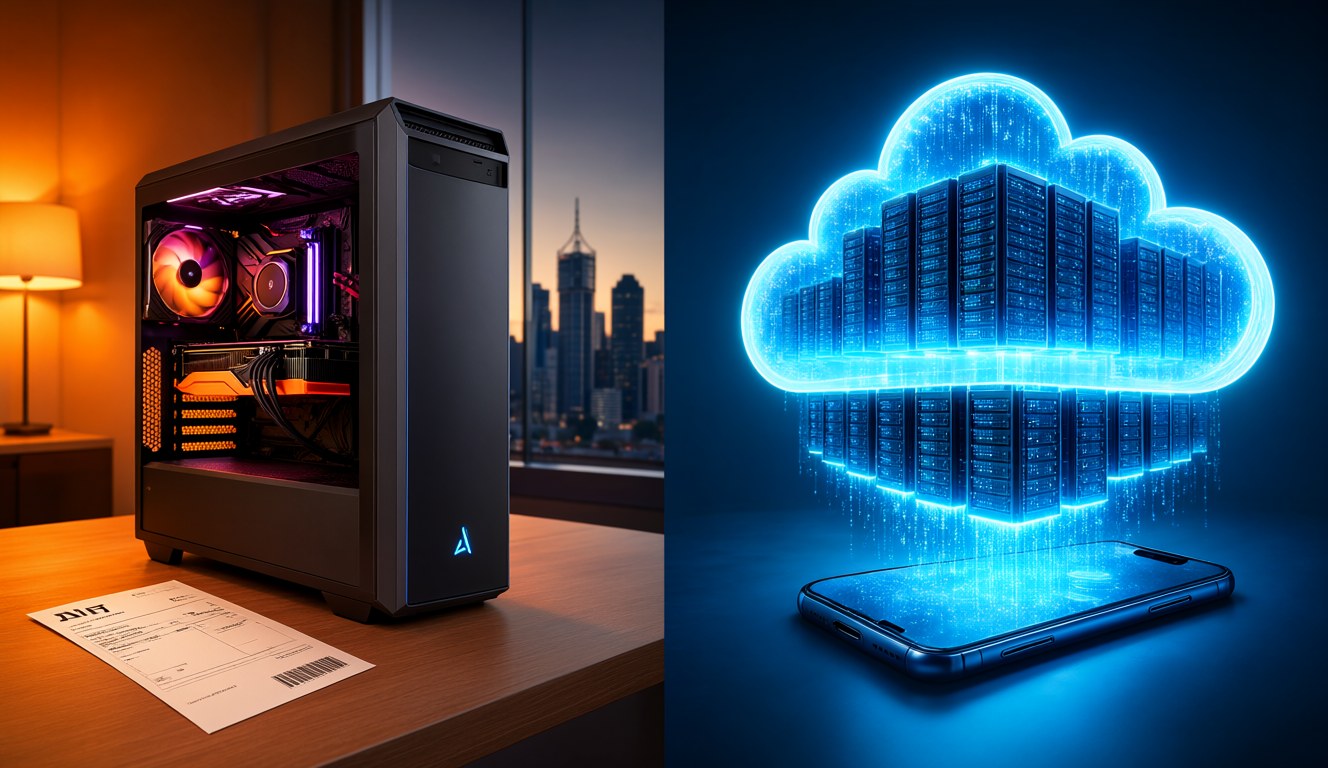
The Australian Bottleneck: The Hidden Cost of Local AI. Here's what's really interesting about this change. For years, tech experts ran open-source models at home to avoid cloud costs and protect privacy. But in Australia, where electricity is expensive, running AI locally is quickly becoming less affordable.
Running a powerful GPU setup at home, which can use 300W to over 500W during heavy use, is not cheap. Unless your server is extremely efficient, the electricity needed to run local AI is now almost as expensive—or even more expensive—than just paying for MiMo V2.6 API calls.
When using the cloud becomes cheaper than the electricity your graphics card uses, the only real reason to run AI locally is for privacy or offline control.
The Race to the Bottom is Here. The AI price war is now benefiting users. Models are getting smarter, APIs are much cheaper, and your power bill might be the main reason to use the cloud. Xiaomi's bold move with MiMo V2.6 shows that top AI features don't have to be expensive or limited.
Are we seeing the end of running local home-server LLMs for daily tasks? If it's now cheaper to use a cloud server than to power up your own GPU, the answer could be yes.