Do you need a GitHub portfolio to get an IT job now? More and more, yes. I'm not job hunting myself, but a few friends in IT are changing jobs at the moment, and they're finding it hard. One thing keeps coming up: employers want a link to real work. My short answer is that in the AI era a small GitHub portfolio has gone from a nice extra to a basic step, because AI coding agents have made it cheap to build one.
I talked this through in Cantonese on my podcast. The video has English and Chinese subtitles, plus English and Mandarin audio tracks (⚙ Settings → Audio track).
Do you need a GitHub portfolio to get an IT job?
It isn't a formal rule, but it's quickly becoming the expected thing. A few years ago, a GitHub portfolio was mostly something fresh graduates had. Nobody asked experienced developers for one. If you had it, good for you. If you didn't, nobody minded.
That's changing. More and more people now say you should have one. Hiring managers want to click a link and see code you wrote, not just read a list of skills on a CV.
Why is a portfolio easier to build in the AI era?
Because a coding agent does most of the typing. Before AI, asking someone to build a portfolio while job hunting was almost a joke. Think about it: you're still working full time, you're applying for jobs, and now you're meant to spend your weekends writing a side project as well. It's exhausting, and most people never found the motivation.
With an agent like Claude Code, a simple working program can take an hour or two after work. That changes the deal. If it's that cheap to show what you can do, an employer can reasonably expect you to show it. I wrote about how much of my own code agents now write in Is the Programmer Outdated?. In October they wrote about 36,000 lines for me.
What do IT employers actually check?
In IT, they check whether you can actually do the work, not how good your suit looks. People have said to me for years, "Show me some source code." That's always been the culture in this industry.
Your degree is a different story. Once you've been working for a while, companies ask whether you have a degree, and you tell them. In all my years working, I've never had anyone actually verify mine. Your identity is another matter. Passport and ID checks are now common, because third-party services do it for the employer, for a few dozen dollars per new hire.
Why are remote job interviews checking ID?
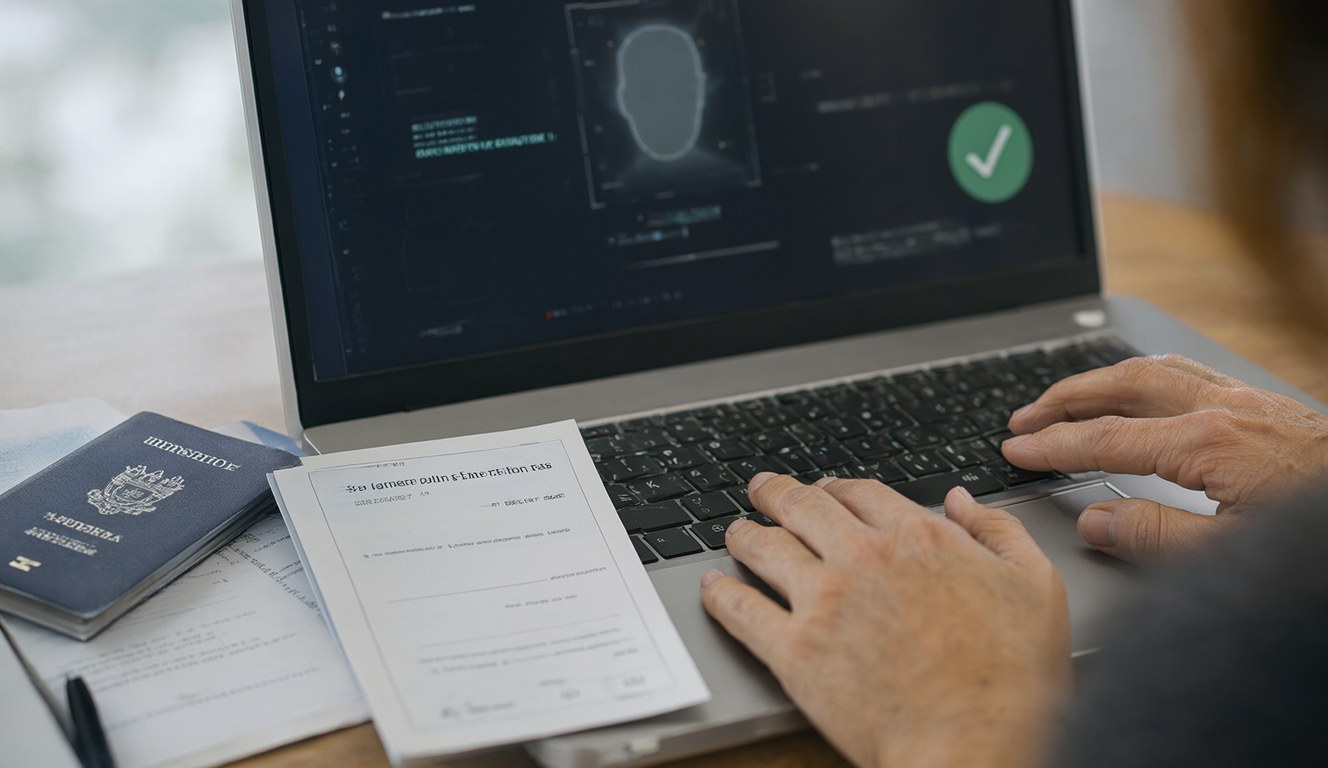
Because it's now easy to fake an interview. For fully remote jobs where the whole interview happens on Zoom, the ID check has to be done. Otherwise someone could sit beside you with AI feeding you answers, or a different person could do the interview altogether.
This isn't just my worry. Gartner has predicted that by 2028, one in four job candidates worldwide could be fake, and a Gartner survey of about 3,000 job seekers found 6% admitted to interview fraud, such as having someone else interview for them. The FBI has also warned that North Korean IT workers use stolen or fake identities to land remote jobs. So a quick ID check before an offer is becoming normal, and I think that's reasonable.
Can you show code from your old job?

No. Please don't. Just talking about the projects you did at your last job isn't enough, but bringing your old company's files or code to an interview is worse. The interviewer will think: "You're showing me your last employer's work? What kind of person are you? I wouldn't dare hire you." Even if you wrote every line, that code belongs to your old employer.
So you need work you can show freely, which means code you own.
What side projects should you put on GitHub?
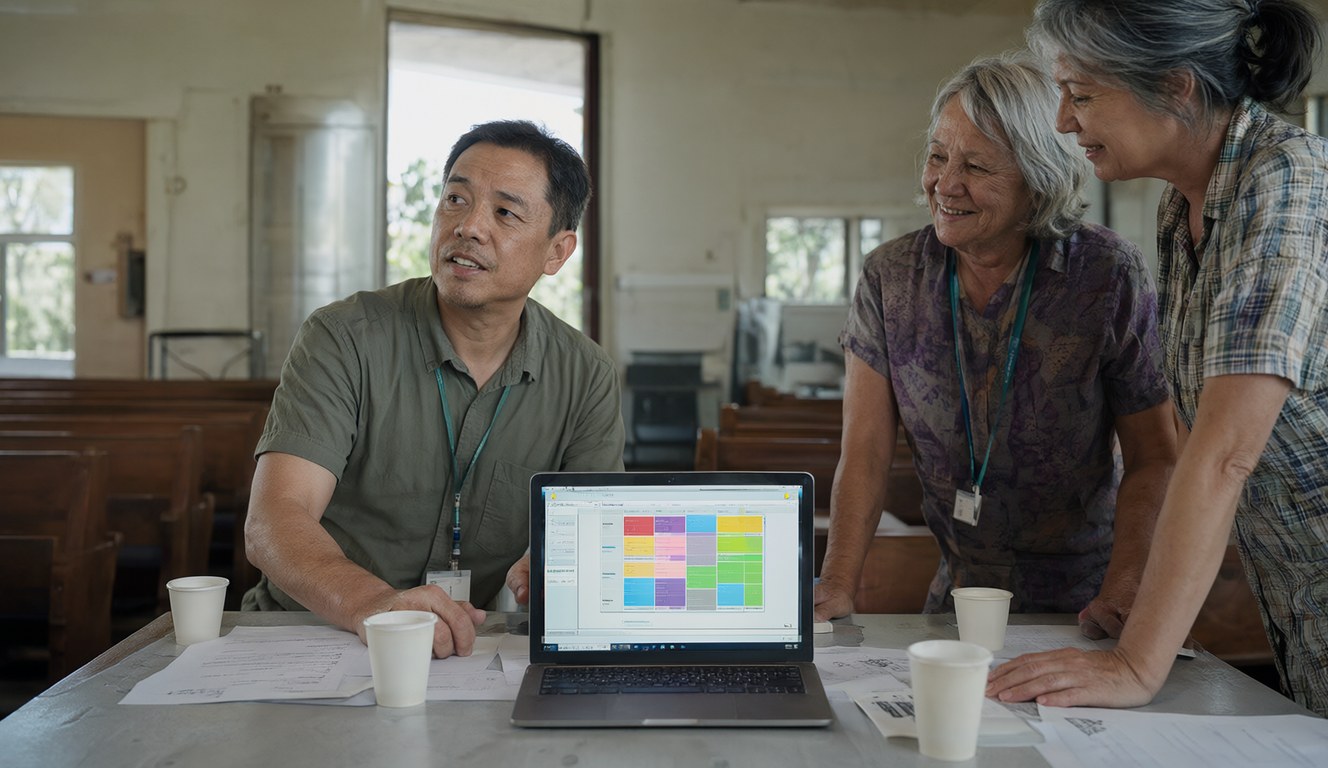
Build something real for someone you know. I write my own programs to show people, and they're often quite different from each other. At church, I build things for the church. For my kids' sport club, I help out with small tools as well.
The rule I keep is simple. I don't charge them, but I make it clear the ownership stays with me, and they get to use it. That way I can put it on GitHub and show it to anyone. People can see how I write code and how I structure a project, and it's useful to a real group of people, which a tutorial clone never is.
A small learning game for your own kids works too, something like the Treasure Maths times tables game on this site.
What do employers look for when AI writes the code?
They want to see whether you can steer the AI. AI writes a lot of the first draft now, so the useful skills are different: can you read AI-written code and fix it when it's wrong? Can you tell the AI how to do the job properly, and structure the project so it stays maintainable? A portfolio with a few real projects and a short README explaining your decisions shows that better than any interview answer.
I argued in Will AI Replace Programmers? that the edge experienced developers have left is gut feeling: sensing when running code is still wrong. A portfolio is one place to show it.
How should you start your GitHub portfolio?
Open a GitHub account if you don't have one, pick one or two small projects you own, and make them look good. A clear README with a screenshot, a short note on what the project does and who uses it, and working code is enough to start. Polish matters here. It's often the first thing a recruiter clicks.
If you're still deciding whether to study IT at all, my earlier post on whether IT degrees still matter covers that side.
Have you been asked for a GitHub link in an interview? And what topic would you like me to talk about next? Tell me in the YouTube comments.
Sources
- Allwork.Space, AI deepfake scammers infiltrating the hiring processes at alarming rates, Gartner reports, April 2025 (Gartner's 2028 forecast).
- Gartner survey of about 3,000 job seekers (2Q25): 6% admitted to interview fraud, as reported in hiring-fraud coverage such as this summary.
- FBI Internet Crime Complaint Center (ic3.gov), public service announcements on North Korean IT workers using false identities for remote jobs.
Checked 12 November 2026. The hiring views here are from my own experience working in IT in Brisbane, not a survey. The research used AI-assisted search, checked against the sources above. The images were made locally with Qwen Image 2.1, and AI helped me edit the English.