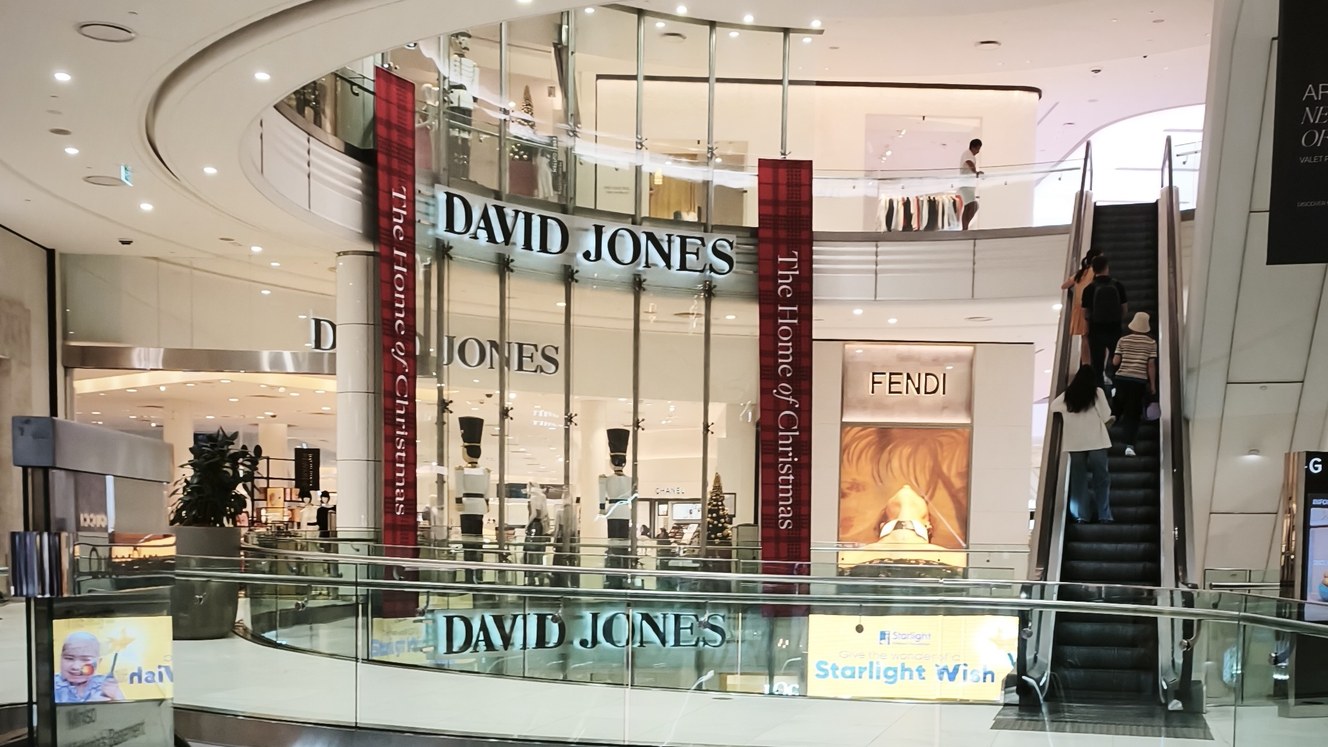
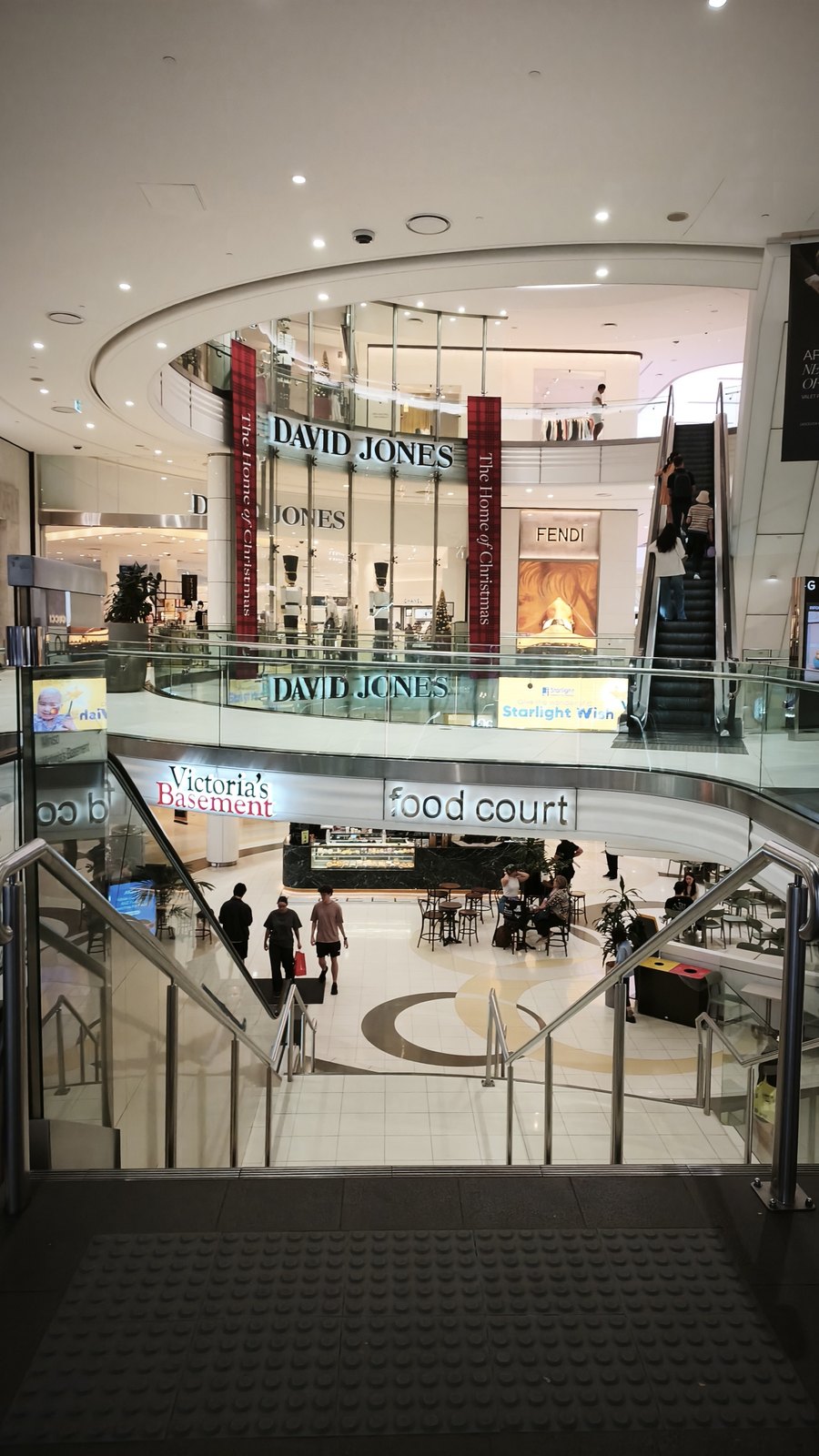
My own photo of a David Jones store at Christmas.
David Jones, Australia's oldest department store, went into voluntary administration and receivership on 5 November 2026. That's the first time in its 188 years. The stores are still open, and it isn't bankrupt yet. But in my view this didn't happen overnight. Selling the buildings, a rent fight with landlords, and a foreign owner that never really understood Australian shoppers all played a part. So did a market that has simply moved on.
I'm not a retail expert. I'm an ordinary person who has worked at a few companies that went into receivership, and I have plenty of my own memories of David Jones. I talked it through in Cantonese on my podcast; the video has English subtitles burned in.
Is David Jones bankrupt?
No, not yet. The directors appointed McGrathNicol as voluntary administrators, and the lender, Hilco, appointed FTI Consulting as receivers and managers. Both appointments were made on the same day. The 38 stores and the website keep trading, and staff are still being paid.
From what I've seen inside companies that went through this, the first job is to protect the assets so nothing walks out the door and the creditors are looked after. The administrators will run a sale or recapitalisation process. The company is only finished if the creditors end up voting to wind it up and it goes into liquidation.
How old is David Jones?
David Jones opened in Sydney in 1838, so it's 188 years old. It wasn't the world's first department store, but it's the oldest one still trading under its original name. Department stores as a whole have been fading for years, but there was a time when they were glorious places to shop.
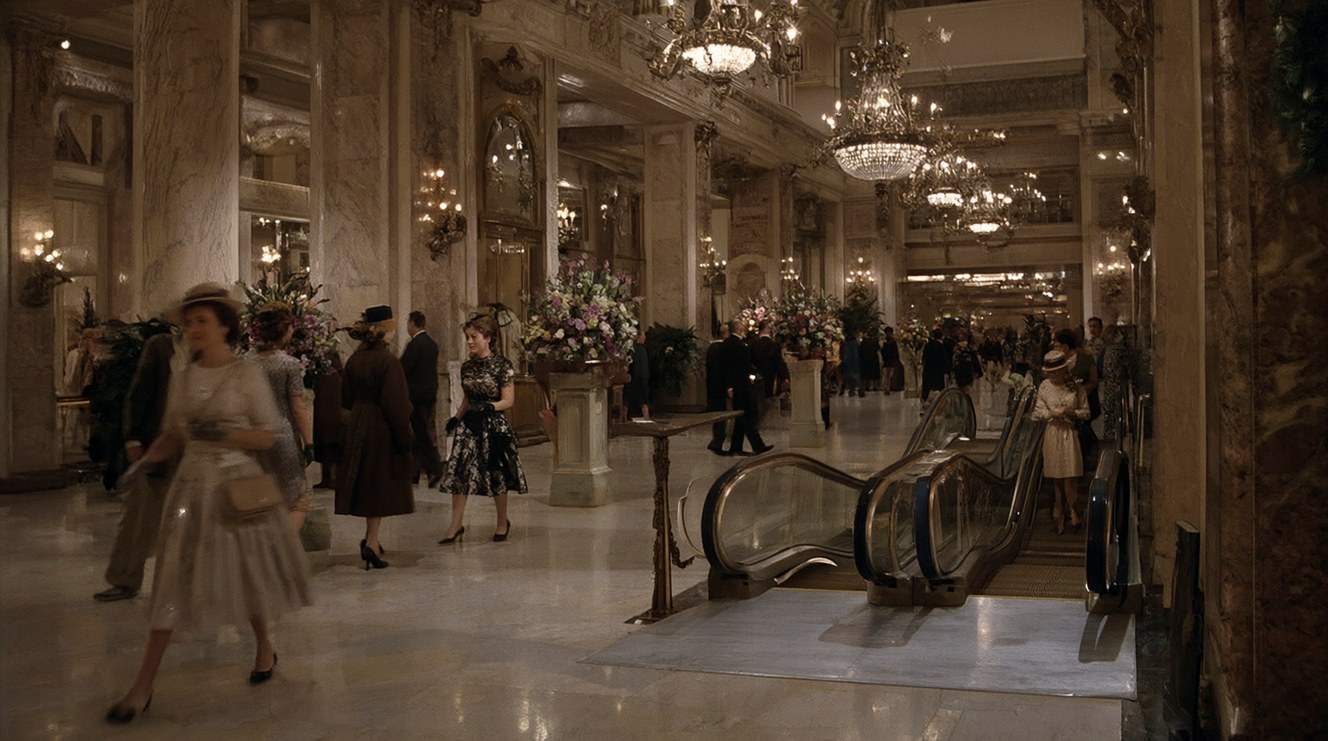
Who owned David Jones before it collapsed?
Two owners in ten years. In 2014, the South African retailer Woolworths Holdings (no relation to the Australian supermarket) paid A$2.1 billion for David Jones. It said it would bring in its own brands and run the business its way.
It didn't work. In December 2022, Woolworths Holdings sold David Jones to the Australian private equity firm Anchorage Capital Partners. The price wasn't officially disclosed, but it was reported at roughly A$100 million, so about one twentieth of what was paid eight years earlier.
I've seen private equity funds at work. They tidy up the books, merge things, put money in and try to find savings, a bit like a company doctor. But even they couldn't save this one. Anchorage's investment is now likely to be wiped out.
How much money did David Jones lose?
About A$170 million before tax over the last two financial years: A$74.1 million in FY24 and A$95.5 million in FY25. Sales fell 8.7% to about A$2 billion in FY25.
One correction here. In the podcast I said it lost around 500 million in two years. That was wrong, and I've added a fact-check card to the video. The real figure is still bad, but it's about a third of what I said.
Why did David Jones sell its buildings?
To raise cash. Many analysts say the biggest mistake was selling the most valuable assets to keep the company going. Woolworths Holdings sold three big city properties:
- 2016: 77 Market Street, Sydney, the menswear building, for A$360 million to Scentre Group and Cbus Property. It's a beautiful old building. I loved walking past it.
- 2020: the Elizabeth Street flagship, Sydney, for A$510 million to a Charter Hall consortium, leased back for 20 years.
- 2020: the Bourke Street Mall menswear store, Melbourne, for A$121 million to Newmark Capital.
That's almost A$1 billion of property gone. The cash helped in the short term, but every building sold became a rent bill.
Did rent kill David Jones?
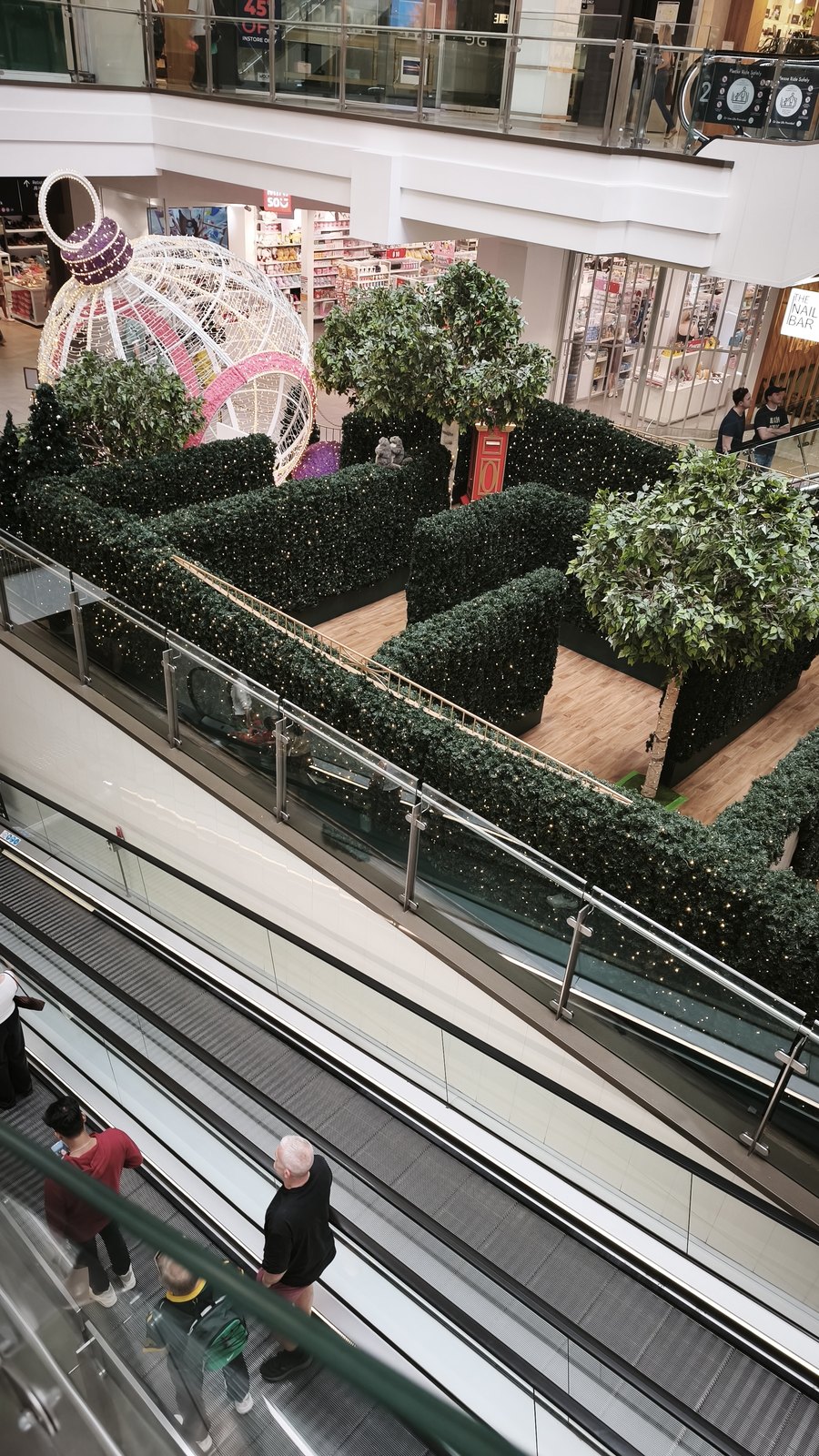
Rent was one of the main causes. Talks with Scentre Group, which runs the Westfield centres and leases 17 stores to David Jones, broke down after David Jones asked for a better deal. Scentre says it hasn't received rent from David Jones since 30 September.
In Hong Kong, and in a lot of places, the old shops that survive for generations are usually the ones that own their own building. They don't lose as much in a bad year, so they can hold on longer. Once David Jones sold its buildings, it lost that cushion.
Why don't people shop at David Jones any more?
Mostly because times changed. David Jones used to be very high-end, and I have a lot of memories of it. About ten years ago, when our kids were small and friends had babies, everyone went to David Jones for baby shower gifts. A present from there meant you'd given something nice: good brands, good quality. It wasn't a luxury boutique, but it was clearly a cut above.
The new owners didn't read that right. They brought in their own label and cut back the premium food, which was part of what made the store feel special.
The bigger problem is competition from every side:
- Brands have their own stores. Every high-end brand now has its own shop, and so do upper-middle brands like Country Road. You don't need a department store to find them.
- Fast fashion moved in. H&M, Zara and Uniqlo arrived and beat department stores on price and speed.
- Younger shoppers don't want to be sold to. A lot of people, in Hong Kong too, can't stand a salesperson following them around. The younger you are, the less you want it. "Leave me alone, I'll sort it out myself."
Are Australians only shopping for bargains now?
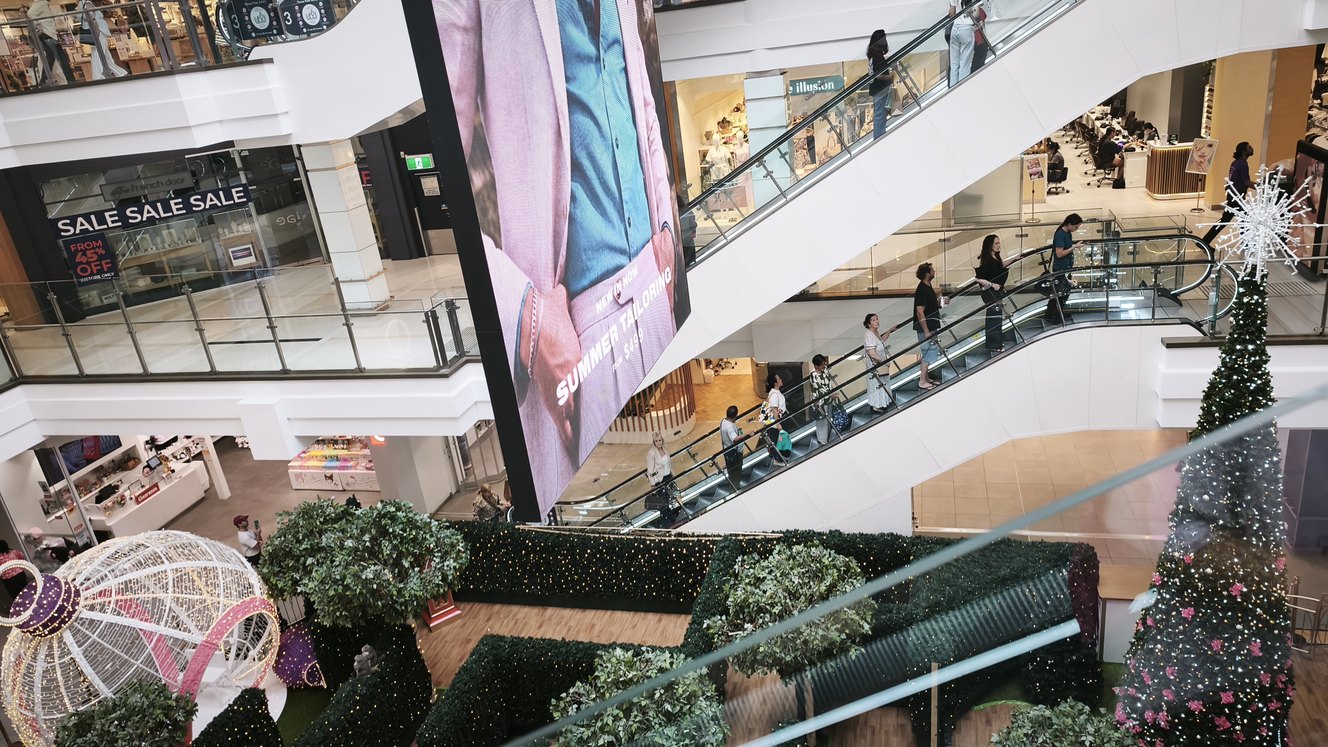
It feels that way to me. I don't know if Australia has fewer rich people now, but look at what sells: anything with "warehouse" in the name. There are long queues at Costco and Chemist Warehouse, JB Hi-Fi feels a bit like a warehouse discount store too, and Black Friday queues are huge. People's whole attitude is to hunt for a bargain, and high-end department store goods don't fit that.
Living costs explain a lot of this. Prices have risen faster than wages since 2019 (my wages vs inflation breakdown has the numbers), and interest rates keep going up, as in the RBA's November 2026 rise to 4.85%. If you hunt bargains too, my weekly Coles vs Woolworths price comparison and tech deals tracker are free.
Then COVID made it worse. It changed everything. Everyone got used to click and collect, and online shopping took off even further.
What can businesses learn from David Jones?
So really, it's fate and timing: a changing market, the pandemic, and on top of that a foreign takeover that never fit in. It's the end of an era.
That last part is my warning for friends from Hong Kong. Sometimes I hear people who've just arrived say, "We'll bring our Hong Kong know-how and fix things here." Be careful. Don't look down on Australia. Even with a lot of international experience, what worked at home may not work here. David Jones's South African owner found that out with A$2.1 billion.
Another big Australian company is cutting deep this month: I wrote about why Canva's 22% layoffs drew so little anger.
What do you remember buying at David Jones? And do you think it can still be saved, or is this really the end? Tell me in the YouTube comments.
Fact check: what I said vs what the sources say
| What I said | What the sources say | Verdict |
|---|---|---|
| 188 years old, first time in receivership | Founded 1838; administrators and receivers appointed 5 November 2026, a first | True |
| Receivers have taken over | Receivers (FTI Consulting) and voluntary administrators (McGrathNicol) were both appointed | True, needs context |
| Woolworths (South Africa) paid A$2.1 billion in 2014 | A$2.1 billion, 2014 | True |
| Sold to private equity for about A$100 million | Sold to Anchorage Capital Partners (announced December 2022); price undisclosed, reported at roughly A$100 million | Mostly true |
| Lost about 500 million in two years | Pre-tax losses: A$74.1 million (FY24) + A$95.5 million (FY25) ≈ A$170 million | False |
| Market Street building sold for A$360 million | 77 Market St, Sydney, sold 2016 to Scentre Group and Cbus Property | True |
| Elizabeth Street flagship sold for about A$500 million | A$510 million, December 2020, to a Charter Hall consortium | True |
| Melbourne store sold for A$121 million | Bourke Street Mall menswear store, 2020, to Newmark Capital | True |
| Rent was one of the causes | Talks with Scentre (17 stores) broke down; no rent paid since 30 September | True |
Sources
- ABC News, David Jones calls in administrators, leaving retailer's future in doubt, 5 November 2026.
- Inside Retail, David Jones enters administration, receivership; store closures loom, 5 November 2026.
- The Nightly, David Jones reveals $95m loss (FY25 and FY24 pre-tax losses).
- Inside Retail, Sale of David Jones to private equity firm reportedly in final stages, December 2022.
- realcommercial.com.au, David Jones' flagship Sydney CBD store sold for $510 million (also covers the 2016 Market Street sale).
- realcommercial.com.au, David Jones Melbourne menswear store sold for $121m.
- Wikipedia, David Jones (department store) (founding year).
Checked 6 November 2026. This is my personal view, not financial advice. The research used AI-assisted search, checked against the sources above. The images were made locally with Qwen Image 2.1, and AI helped me edit the English.